

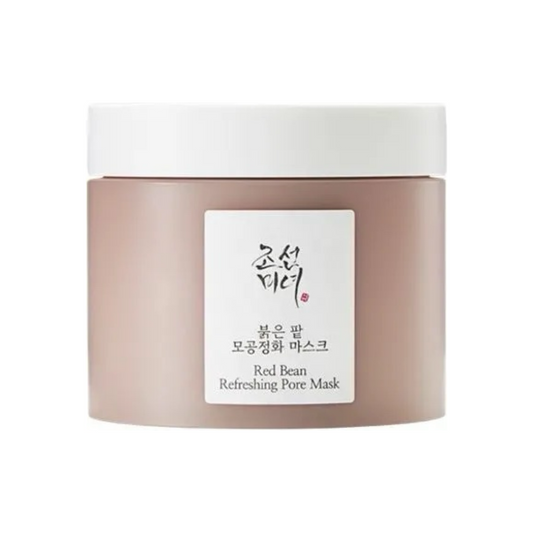
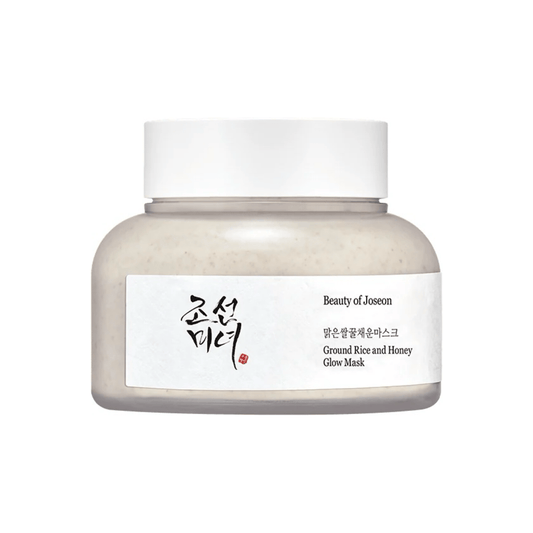


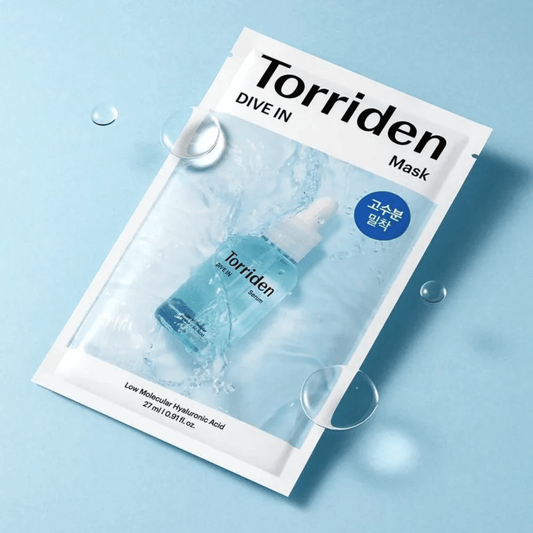

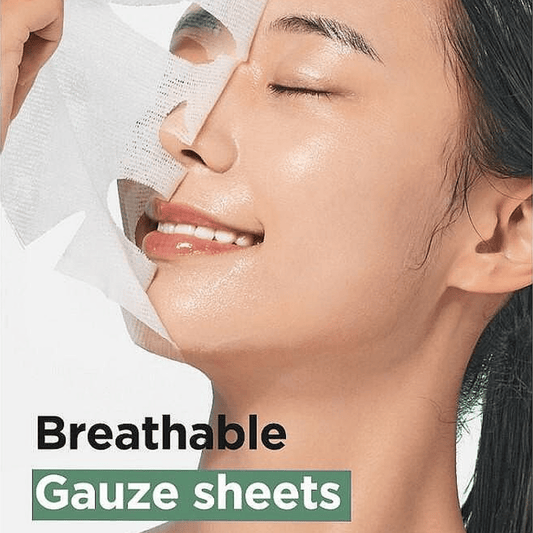

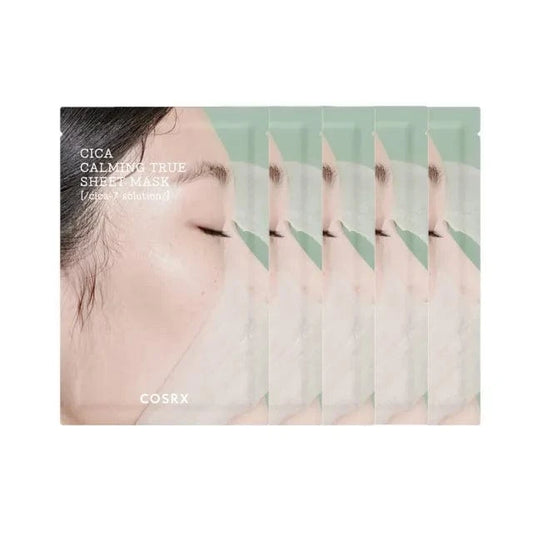


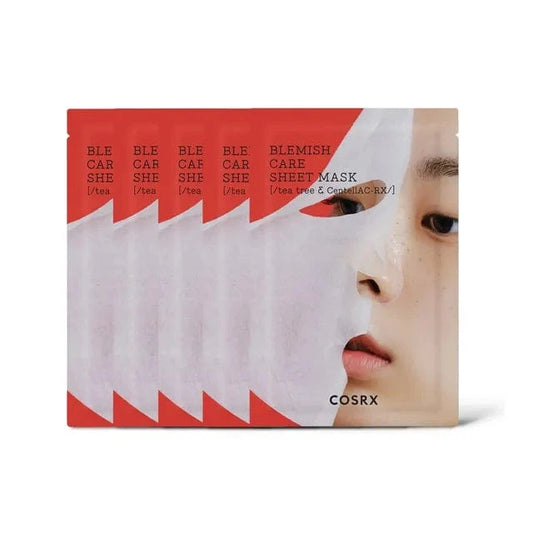
Korean Masks for Combination Skin work with a face that cannot make up its mind. An oily T-zone produces shine by midday while the cheeks feel dry or tight by afternoon. Standard masks that work for one zone can worsen the other. K-beauty's balancing approach uses ingredients that moderate rather than reduce sebum while maintaining the hydration level that drier zones need.
Understanding Combination Skin
Combination skin has different sebaceous gland densities across the face. The forehead, nose, and chin (T-zone) have more sebaceous glands and produce more oil. The cheeks and jawline have fewer glands and may produce just enough oil or less than enough. The result is a face where some areas shine while others feel tight. Hormones, stress, and seasonal changes shift the balance, meaning combination skin rarely behaves the same way from week to week.
- T-zone has higher sebaceous gland density
- Cheeks produce less oil and may be drier
- Hormones and seasons shift the balance
- Products must suit both zones simultaneously
Best Ingredients for Combination Skin Masks
Niacinamide is the most effective balancing ingredient for combination skin: it moderates sebum in oily zones while supporting the barrier in drier areas. Hyaluronic acid hydrates without adding oil, making it suitable for the entire face. Gentle clay in moderate concentrations (often kaolin) provides enough oil adsorption for the T-zone without over-drying cheeks. Centella and beta glucan provide soothing support that works across all zones regardless of oil level.
- Niacinamide for zone-appropriate sebum moderation
- Hyaluronic acid for oil-free hydration across all zones
- Kaolin for gentle T-zone oil adsorption
- Centella for barrier support in all zones
How to Mask for Combination Skin
Use Korean Masks for Combination Skin two to three times a week as an all-face treatment. On some evenings, a niacinamide or hydrating sheet mask applied to the whole face addresses both zones at once. On oil-heavy days, a gentle kaolin clay mask applied primarily to the T-zone while a hydrating gel is applied to the cheeks allows each zone to receive what it needs in a single session. Follow all mask formats with a gel-cream or emulsion moisturiser suited to both zones.
- All-face sheet masks for balanced zone treatment
- Zone-specific masking when one area needs more attention
- Gel-cream moisturiser suits both zones after masking
- Use 2-3 times weekly for consistent balance
Seasonal Shifts in Combination Skin
Combination skin is particularly responsive to seasonal changes. In summer, the T-zone becomes oilier with heat and humidity while the cheeks may remain comfortable. In winter, central heating dries the cheeks further while the T-zone may calm slightly. Adjusting the mask format with the season, lighter and more balancing in summer, richer and more nourishing for the cheeks in winter, keeps combination skin comfortable year-round rather than fighting a fixed routine against a skin type that shifts with its environment.
- Summer calls for lighter balancing formats across the face
- Winter calls for richer formats on the cheeks
- T-zone may calm slightly in colder, less humid conditions
- Seasonal adjustment prevents over-treating or under-treating zones
Find the right mask in the collection above. Balanced, comfortable skin across every zone is the goal.