


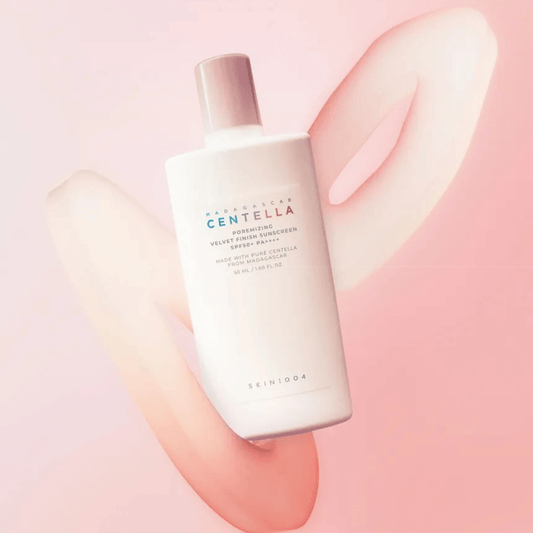

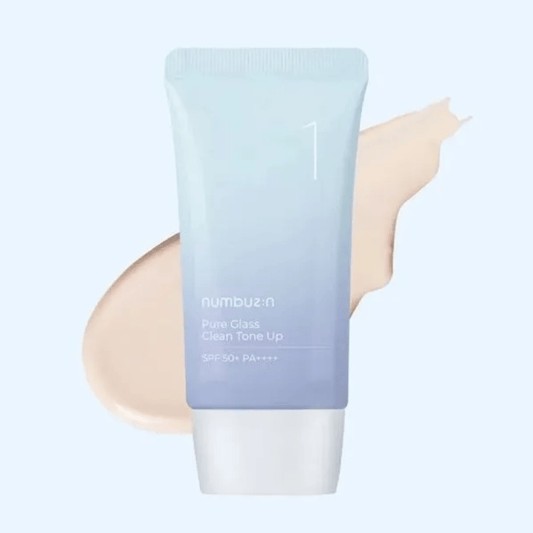
Colour Correction Sunscreens do two jobs at once. They protect the skin from UV damage with a broad-spectrum SPF while using tinted pigments or colour-adjusting particles to improve the appearance of skin tone. For those who want a more polished complexion without adding a full makeup step, they are a practical and effective option.
What Colour Correction in a Sunscreen Actually Does
Colour-correcting sunscreens use a combination of tinted mineral pigments and light-diffusing particles to address specific tone imbalances. Green-tinted formulas neutralise redness - useful for skin with persistent flushing or visible blemishes. Lavender or purple tones brighten sallow, yellowish complexions. Peach or orange-toned formulas counteract the blue-grey appearance of dark circles or deeper discolouration. Many formulas use a blended, skin-neutral tint designed to suit a range of skin tones rather than targeting one specific correction. The result is a smoother, more even-looking surface without the coverage of a traditional foundation.
Common colour corrections and what they address
- Green tint - neutralises visible redness
- Lavender or purple - brightens sallow, dull skin
- Peach tones - counteracts blue-grey discolouration
- Neutral tints - general evening and brightening
Can It Replace Foundation
Colour correcting sunscreens offer light, buildable coverage - more than a tinted SPF, but less than a full foundation. For minimal-makeup routines, they can absolutely stand in for foundation on lower-key days. The finish is typically dewy or satin and the coverage is sheer to light, so visible blemishes or deeper discolouration will still show. For many people the combination of SPF and tone-correction is exactly the level of polish they need for daily life. Layering a setting powder on top can improve longevity and reduce shine if a more matte finish is preferred.
- Light, buildable coverage - not full foundation
- Suits minimal-makeup routines well
- Sheer finish will not conceal deep blemishes
- A setting powder extends wear and reduces shine
Which Skin Tones Benefit Most
Colour correcting sunscreens have historically been designed for fair to medium skin tones, and shade range has been a limitation of the category. The landscape is improving - more formulas now include adaptive or flexible tints designed to blend across a broader range of tones. Universally tinted formulas with pearlescent or light-diffusing particles work across more skin tones than formulas with a fixed pigment shade. If you have deeper skin, look specifically for products marketed as adaptive or universal - these are designed to adjust to the skin rather than sit on top of it with a fixed colour.
- Widest range of options currently for fair to medium tones
- Adaptive or universal tints suit more skin tones
- Avoid fixed pale pigments on deeper skin
- Light-diffusing particles work across most tones
Sensitive Skin and Application Tips
Most colour correcting sunscreens are built on a mineral or hybrid base, making them well-suited to sensitive skin. Mineral pigments - zinc oxide and titanium dioxide - are the gentlest UV filters available and are unlikely to cause irritation. For application, use clean fingertips or a damp sponge and blend outward from the centre of the face. Warm the product between your fingers first if the formula feels stiff, which helps it blend more smoothly. Apply after moisturiser and before any additional makeup. Allow it to set fully - about a minute - before pressing powder or blush on top to avoid streaking.
- Mineral bases suit sensitive skin well
- Warm the product before blending for best results
- Apply with fingertips or a damp sponge
- Allow to set before adding powder on top
Explore the full range of colour correcting sunscreens below. Whether you want a simple daily SPF with a brightening effect or a tinted base that evens out your complexion, there is a formula here to suit your skin tone and your routine.