

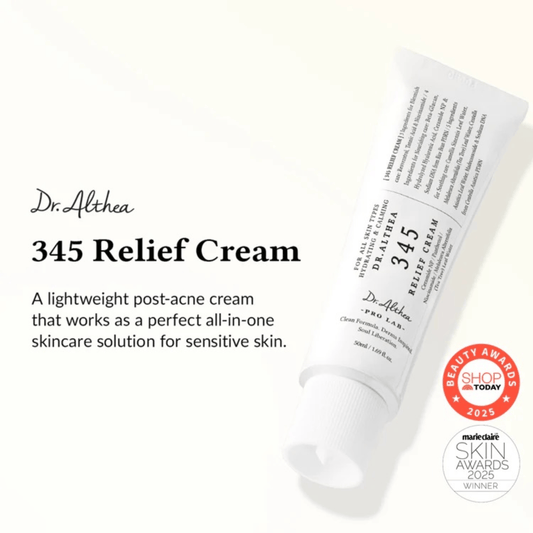
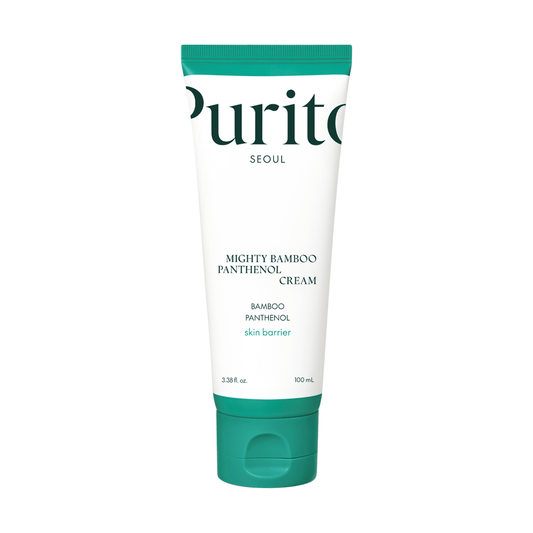
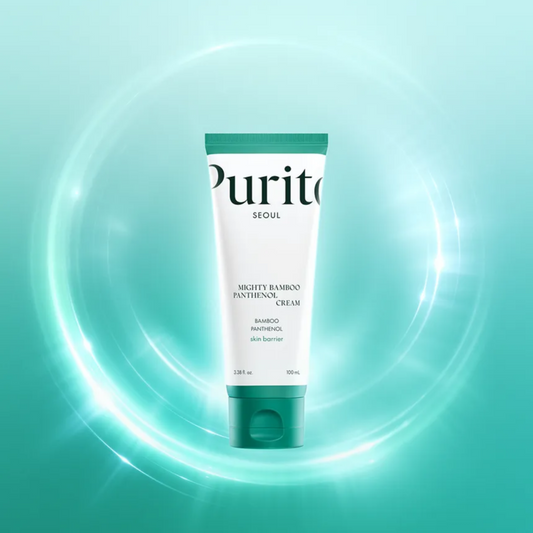

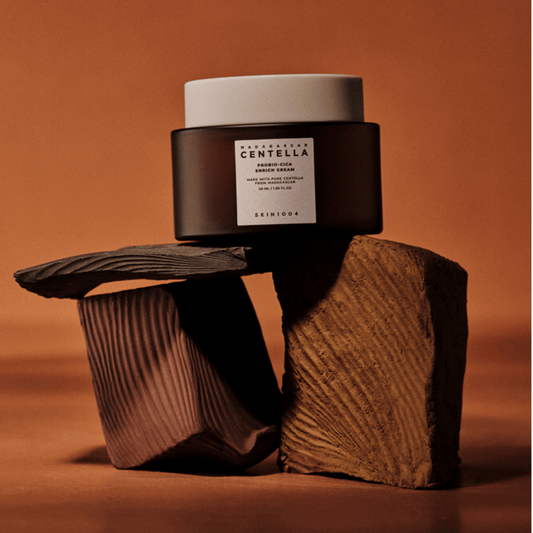
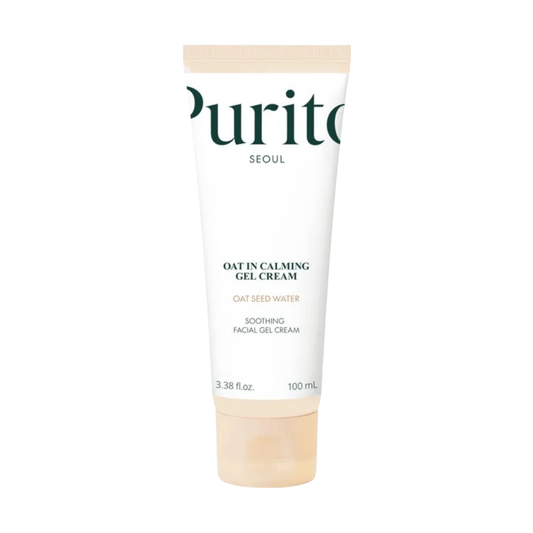
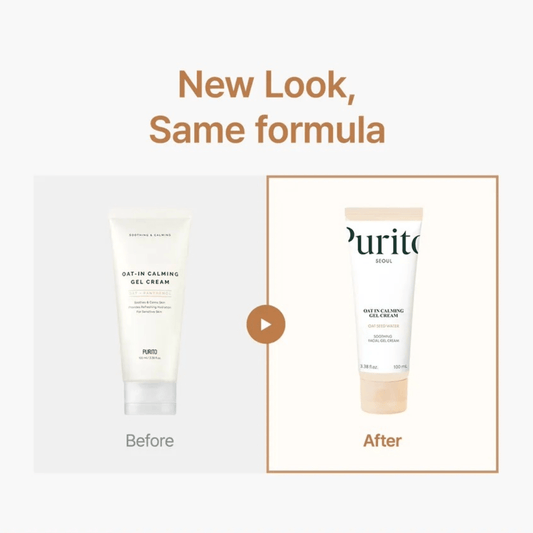
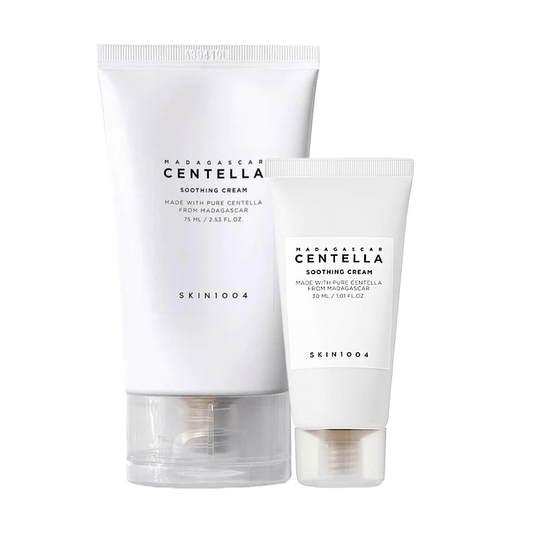
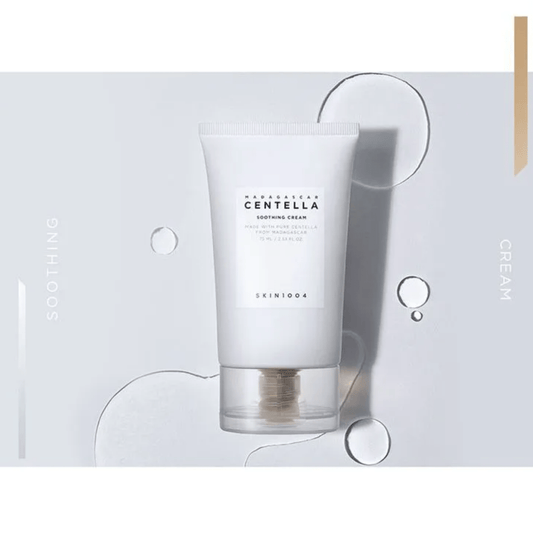


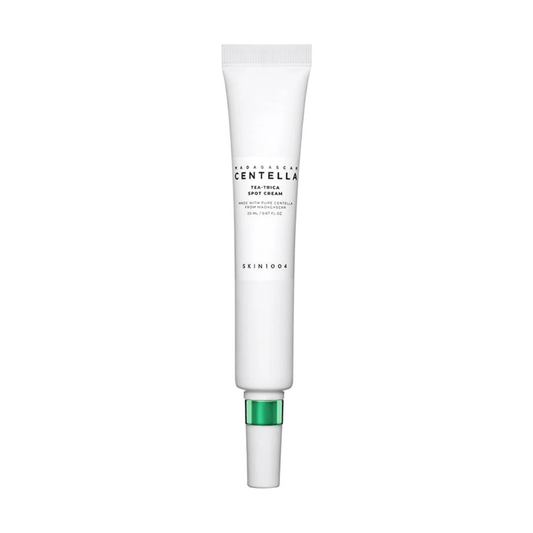
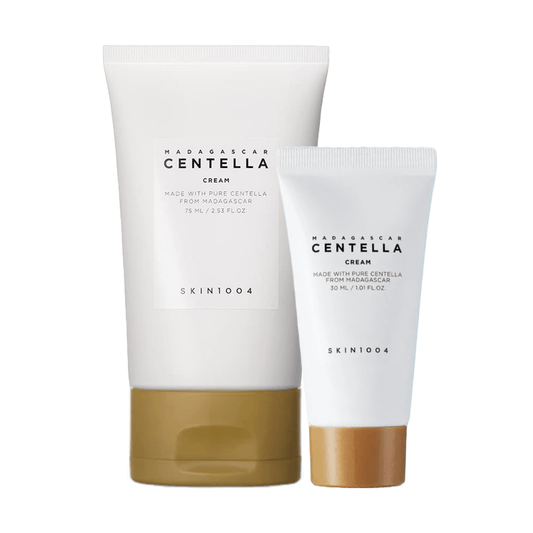
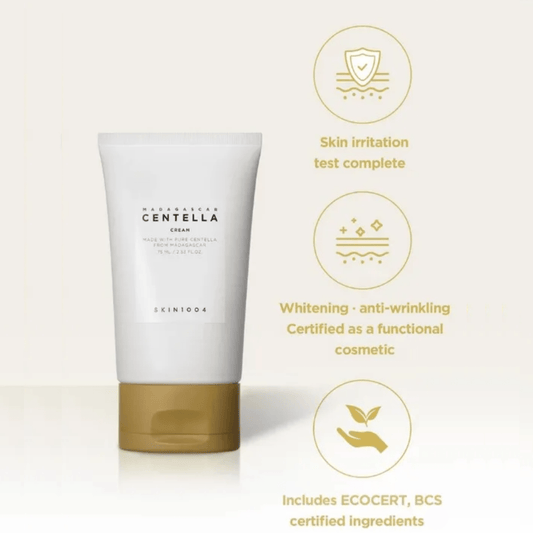




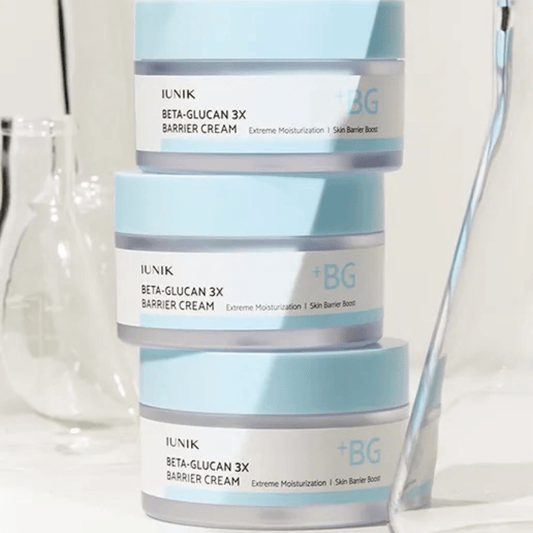
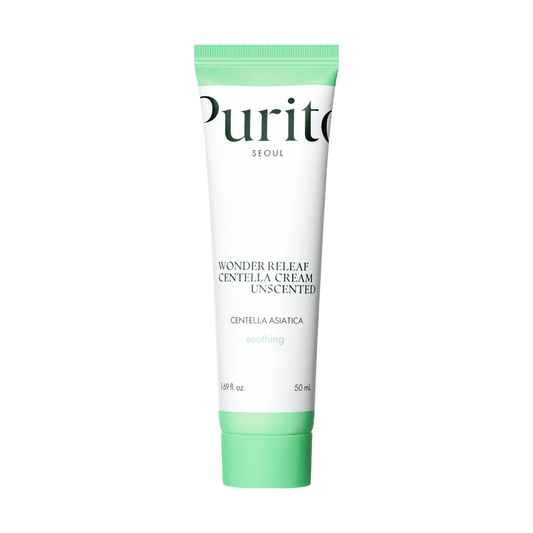
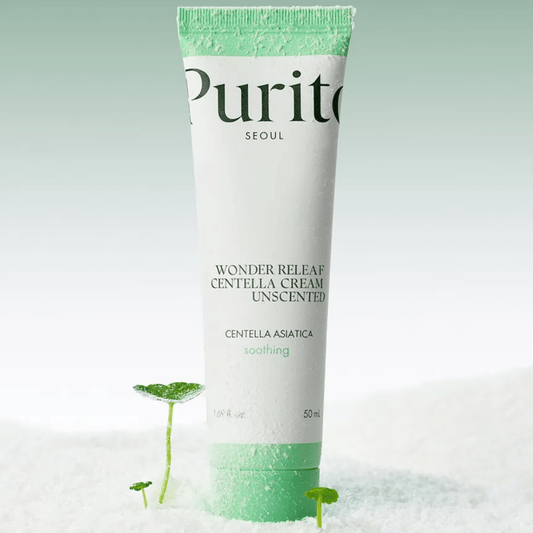

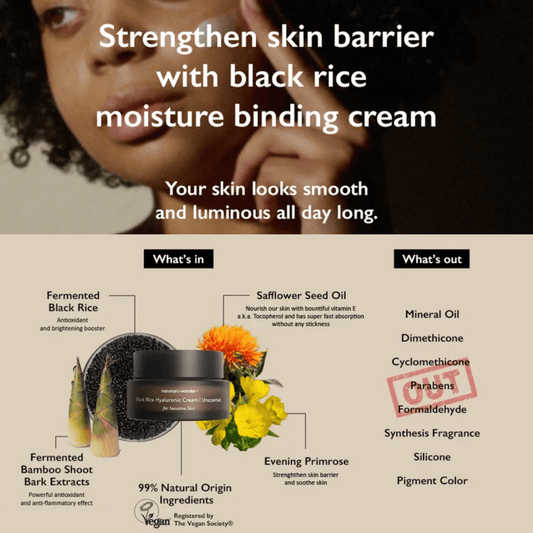
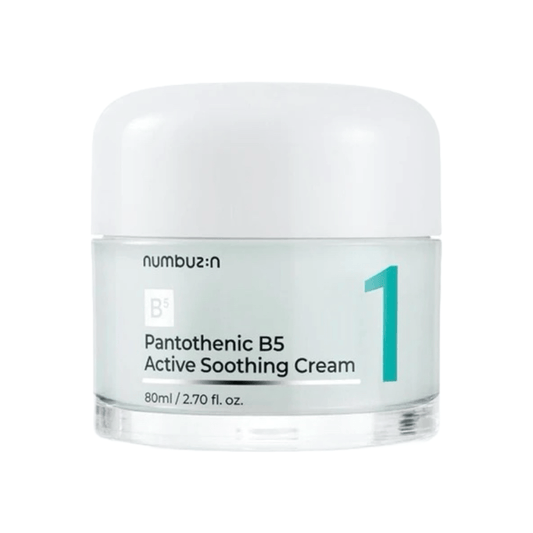
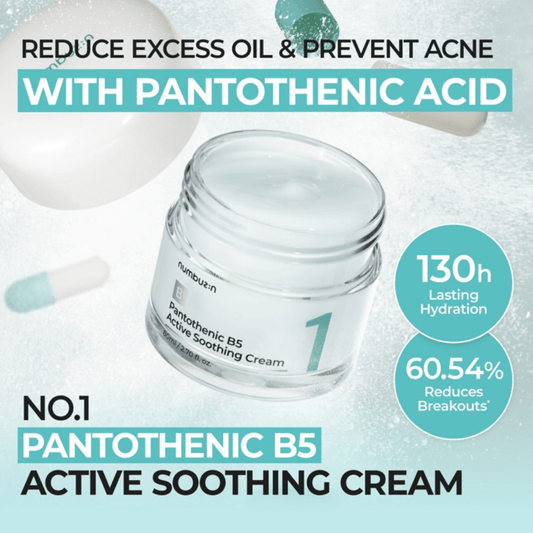
Soothing Creams are designed for skin that needs more than hydration - they provide active calming support alongside moisture, helping to reduce visible redness, ease discomfort, and support the skin's natural barrier over time. For reactive, sensitive, or easily irritated skin, this type of formula is often the most important step in the routine.
Ingredients a Soothing Cream Should Contain
The most effective calming creams combine barrier-supporting ingredients with actively soothing ones. Centella asiatica - which visibly reduces redness and supports the skin's natural repair process - is one of the most trusted ingredients in this category. Ceramides rebuild and protect the skin barrier, reducing the sensitivity that comes from a damaged protective layer. Panthenol provides a soft, comfortable feel while helping the skin retain moisture. Beta-glucan from oats delivers calming, gentle hydration without causing any irritation even on the most reactive skin.
- Centella asiatica to reduce visible redness
- Ceramides to rebuild and protect the skin barrier
- Panthenol for moisture retention and a soft feel
- Beta-glucan for calming hydration on reactive skin
Is This the Right Formula for Your Skin Type
A calming cream suits anyone whose skin flushes, stings, feels tight, or becomes irritated easily - regardless of whether the skin is dry, oily, or combination. The key factor is the ingredient list, not the skin type. Dry skin does well with richer calming creams that also provide sustained nourishment. Oily skin benefits from lighter, gel-cream calming formulas. If your skin reacts consistently to new products or environmental changes, a dedicated soothing cream as your daily moisturiser is a sensible long-term approach.
- Suits all skin types that experience reactivity
- Dry reactive skin: choose richer, nourishing formulas
- Oily reactive skin: choose lighter gel-cream textures
- A consistent daily choice reduces cumulative sensitivity
Morning and Evening Use
Most calming creams are suitable for both morning and evening. In the morning, apply after serum and before SPF. In the evening, apply after any calming treatments as the sealing, final step. A calming cream used consistently morning and evening builds barrier strength over time - which is the most effective way to reduce reactive episodes. If the skin is going through a particularly difficult period, using the same calming cream twice daily without introducing other actives often leads to the fastest recovery.
- Morning: after serum, before SPF
- Evening: after calming treatments, as the final step
- Twice-daily consistent use builds barrier strength
- Keep the routine minimal during reactive periods
What to Avoid in a Moisturiser for Irritated Skin
Fragrance is the single most common cause of irritation in face creams - including natural fragrance from essential oils and plant extracts. Alcohol denat strips the skin barrier. Certain preservatives, such as methylisothiazolinone, are known to cause reactions in sensitive skin. Formulas with too many actives - combining acids, retinol, vitamin C, and fragrance in one product - can overwhelm reactive skin even when each ingredient is individually beneficial. Simpler is almost always better for skin that is easily irritated.
- Avoid fragrance - including essential oils
- Avoid alcohol denat and barrier-stripping preservatives
- Avoid formulas with too many combined actives
- Simpler formulas are more reliable for reactive skin
How Quickly Can a Soothing Cream Reduce Redness
Immediate comfort - a reduction in tightness or stinging - is often noticeable within the first few uses. Visible redness reduction takes a little longer. With consistent twice-daily use, most people see a measurable difference in visible redness within two to four weeks. Long-term barrier improvement, which reduces the frequency and intensity of reactive episodes, builds over six to eight weeks of regular use. Patience and consistency deliver far better results than switching products frequently.
- Immediate comfort: often within the first few uses
- Visible redness reduction: two to four weeks
- Barrier improvement: six to eight weeks
- Consistency outperforms frequent product switching
Browse the range and find the calming formula that suits your skin type and your routine. The right soothing cream, used every day, builds real resilience over time.