


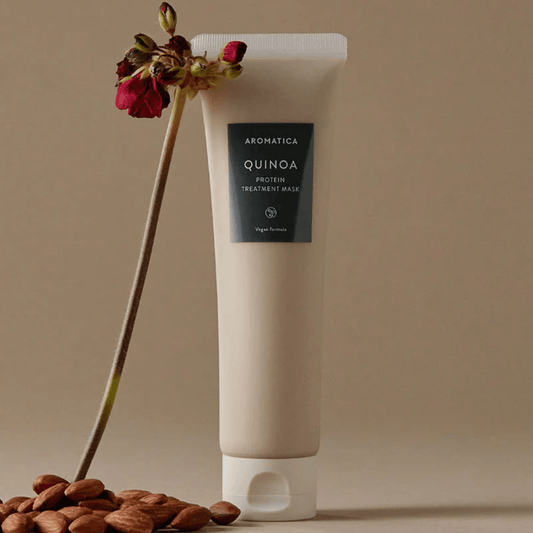

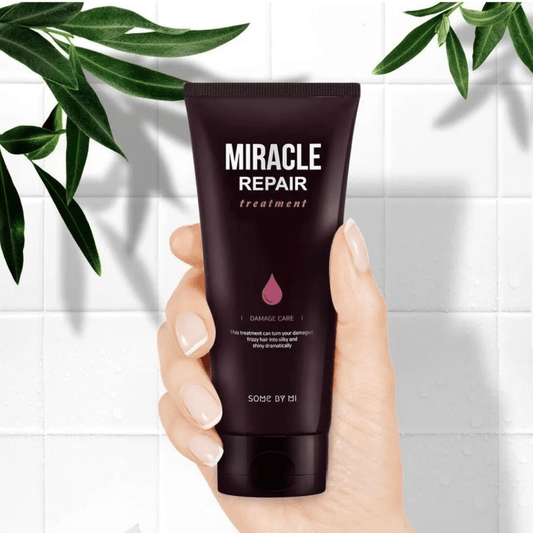
Hair Masks are one of the most effective steps you can add to a hair routine. While conditioner restores surface moisture after every wash, a mask goes deeper - replenishing what heat styling, colour processing, or simply dry weather has taken away. Used consistently, they make a real difference to texture, strength, and manageability.
How a Hair Mask Differs From Conditioner
A rinse-out conditioner is designed for speed - a couple of minutes to soften and detangle. A hair mask is formulated with higher concentrations of nourishing and restorative ingredients, meant to penetrate more deeply when given adequate time. The result is a more intensive treatment that addresses the underlying cause of dryness or damage rather than smoothing it over temporarily.
When to Use a Mask Rather Than Conditioner
If your hair feels consistently dry despite regular conditioning, or if it breaks easily or looks dull, a weekly mask is worth adding. Hair masks are particularly effective for colour-treated hair, heat-styled hair, and hair that is exposed to harsh weather or hard water regularly.
- Weekly deep nourishment for dry hair
- Restorative care for colour-treated hair
- Strengthening treatment for brittle or breaking hair
- Monthly maintenance for already healthy hair
How Often and Where to Apply
Once a week is the right frequency for most hair types. Very damaged or dry hair can benefit from twice weekly use, but overly frequent masking can leave hair feeling heavy. Apply from mid-lengths to ends where dryness and damage tend to concentrate. Avoid applying heavily to the roots unless the mask is specifically designed for scalp use - most masks can weigh down the root area.
- Apply from mid-lengths to ends
- Avoid the scalp unless the product specifies otherwise
- Once weekly for most hair types
- Twice weekly for very dry or damaged hair
Ingredients to Look For
For damaged or colour-treated hair, look for masks with keratin or silk proteins, which help reinforce the hair shaft and smooth the surface. Shea butter and plant-derived oils - such as argan or camellia - restore moisture and reduce frizz. Panthenol coats each strand with a flexible layer that resists breakage. Hyaluronic acid draws moisture in from the air, adding long-lasting hydration from the inside out.
- Keratin proteins for strength and smoothness
- Shea butter for deep, lasting moisture
- Argan oil to reduce frizz and add shine
- Panthenol for flexibility and breakage resistance
Heat and Contact Time
Most masks work well at room temperature with ten to twenty minutes of contact time. Applying gentle heat - by wrapping hair in a warm towel or using a shower cap in a warm room - can help the formula penetrate more effectively. Longer contact time is not always better; follow the product guidance and rinse thoroughly. A cool water rinse at the end helps seal the cuticle and adds extra smoothness.
- Leave on for ten to twenty minutes
- Warm towel or shower cap to boost penetration
- Rinse thoroughly with cool water
- Style as usual - no need for extra conditioner after
Choose a mask suited to your hair's needs and make it part of your weekly routine. You'll notice the difference within a few uses.