





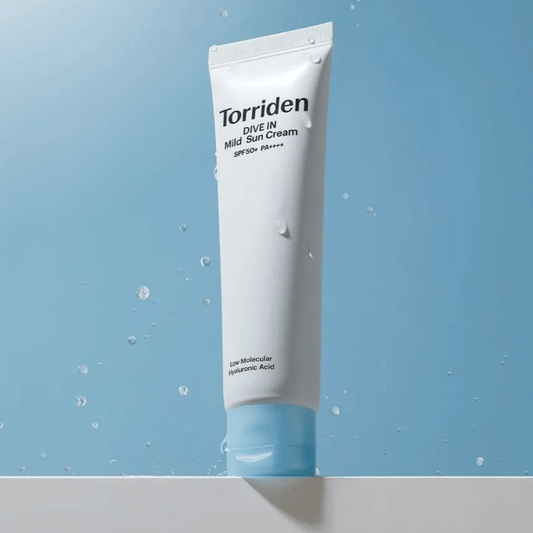
Physical Sunscreens use mineral UV filters - zinc oxide and titanium dioxide - to create a protective barrier on the skin's surface. Because they reflect UV radiation rather than absorbing it, they work immediately on application and are among the most stable and well-tolerated sun protection options available.
How Physical Sunscreens Differ from Chemical
The core difference is in the mechanism. Physical sunscreens sit on top of the skin and deflect UV rays away from the surface. Chemical sunscreens absorb into the skin and convert UV into heat. Physical formulas require no activation time, are less likely to cause sensitivity reactions, and are generally recommended for reactive, sensitive, or post-procedure skin. They can feel slightly heavier than chemical formulas and historically left a white cast, though modern formulations have improved significantly in terms of texture and finish. For those who have found chemical sunscreens irritating, physical formulas are usually the better starting point.
When to choose a physical formula
- Sensitive or reactive skin
- Post-treatment or compromised skin barrier
- When chemical filters have caused sensitivity
- For children's skin or during pregnancy
White Cast - the Honest Picture
White cast has been the most commonly cited drawback of physical sunscreens, particularly on deeper skin tones where the contrast between the formula and skin tone is most visible. Modern physical sunscreens are better formulated than older versions - micronised zinc oxide blends more smoothly and nano-sized particles reduce the chalky finish considerably. Tinted physical sunscreens counter the cast by adding pigment that adjusts to the skin tone. For those with deeper skin, tinted or colour-correcting physical formulas are usually the most comfortable option. Fair to medium skin tones often find untinted modern formulas blend adequately without a visible cast.
- Older formulas showed more cast - modern ones have improved
- Micronised zinc blends more smoothly
- Tinted formulas are best for deeper skin tones
- Nano zinc reduces chalky finish significantly
Sensitive and Reactive Skin
Physical sunscreens are the preferred choice for sensitive or reactive skin. Zinc oxide has inherent calming properties - it helps to soothe mild inflammation as it protects, which is why it appears in products for irritated or reactive skin beyond just sunscreen. Titanium dioxide is similarly gentle and non-comedogenic. Look for physical sunscreens formulated without fragrance, essential oils, or alcohol, as these additions are the most common source of sensitivity. If your skin is currently experiencing a flare-up or post-treatment sensitivity, a fragrance-free physical SPF is the safest choice to maintain protection without adding any reactive ingredients.
- Zinc oxide calms as well as protects
- Titanium dioxide is gentle and non-comedogenic
- Fragrance-free formulas are essential for reactive skin
- Safe to use on compromised or post-treatment skin
Under Makeup and Everyday SPF Level
Physical sunscreens can absolutely be worn under makeup - the key is allowing the formula to fully set before applying foundation or concealer on top. A minute or two of absorption time prevents the sunscreen from balling up or pilling under makeup. For everyday wear, SPF 30 is the minimum recommended level for daily UK routines. SPF 50 is worth choosing for longer outdoor time, summer months, or fairer skin. Avoid relying on foundation or BB cream SPF as your primary sun protection - a dedicated physical SPF applied generously provides far more consistent coverage than the thin layer of tinted product.
- Allow formula to set before applying makeup
- SPF 30 is the minimum for daily UK use
- SPF 50 for longer outdoor exposure or fairer skin
- Never rely on makeup SPF as primary protection
Browse the full range of physical sunscreens below. Whether you are looking for a daily sensitive-skin SPF, a calming post-procedure formula, or a reliable base for makeup, there is an option here to protect your skin every day.