












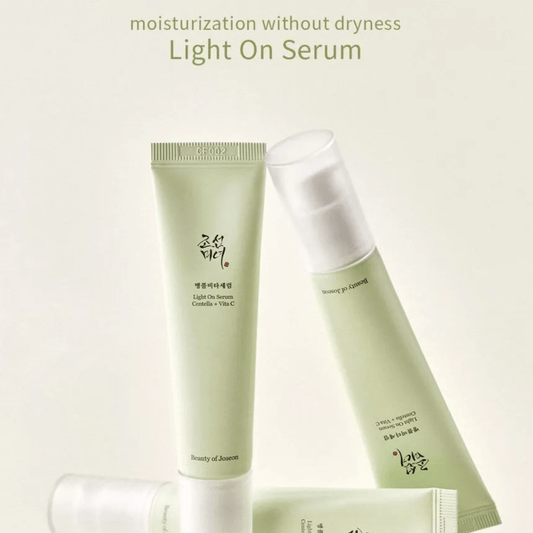
A healthy skin barrier is what keeps moisture in and irritants out. When it becomes compromised, skin can feel uncomfortable and reactive in ways that seem hard to resolve. Barrier Restore skincare is about giving your skin exactly what it needs to recover - nothing more, nothing less.
What a Compromised Barrier Feels Like
When the skin barrier is under stress, you may notice tightness, redness, or a stinging sensation when applying products that never caused a problem before. Skin can feel rough in texture, flake at the surface, or look irritated and uneven. These are all signs that the barrier - the outermost protective layer of skin - needs support rather than more active ingredients. Recognising this early helps you avoid making things worse before they get better.
Common causes of barrier stress
Over-exfoliating, using too many active ingredients at once, harsh cleansers, environmental exposure, and even stress can all weaken the skin barrier over time and leave it needing restoration.
- Over-exfoliation weakens the barrier
- Harsh cleansers strip natural protection
- Too many actives cause stress
- Cold or dry air draws out moisture
Ingredients That Support Recovery
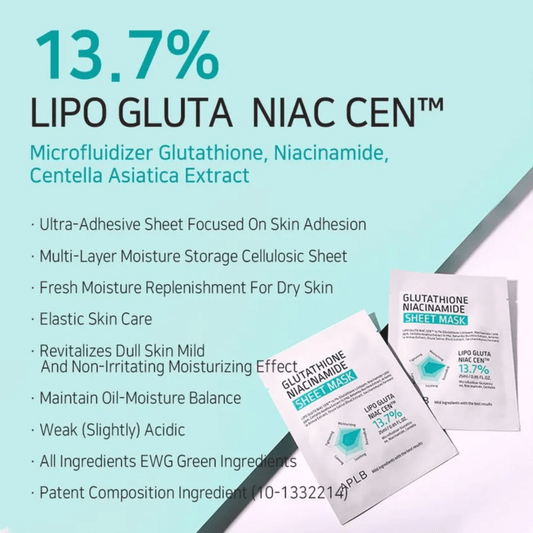
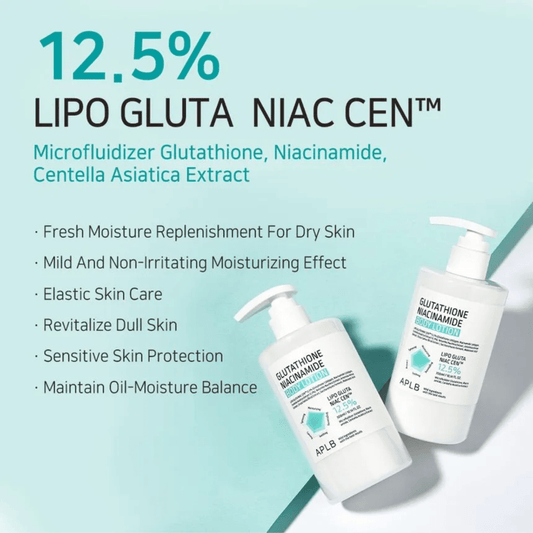
Ceramides are the building blocks of a healthy barrier - they help restore the skin's protective layer and lock in moisture. Niacinamide is calming and supports the barrier while reducing visible redness. Hyaluronic acid draws moisture into the skin and helps it feel more comfortable. Panthenol, also known as pro-vitamin B5, soothes and softens without causing irritation. Together, these ingredients create a supportive environment for your skin to recover naturally and steadily.
- Ceramides restore protective layer
- Niacinamide calms and balances
- Hyaluronic acid hydrates deeply
- Panthenol soothes and softens
Product Formats That Help Most
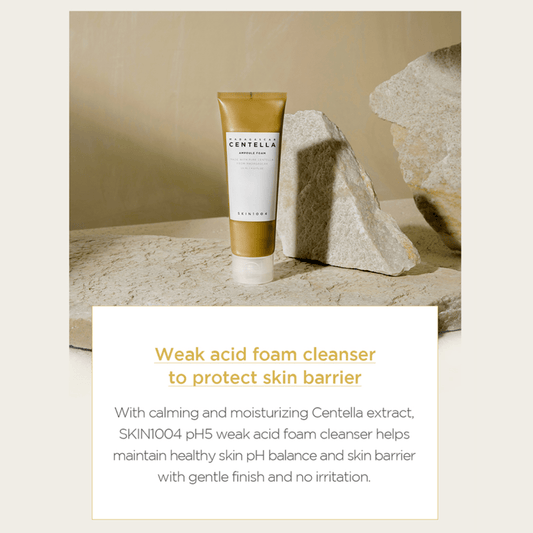
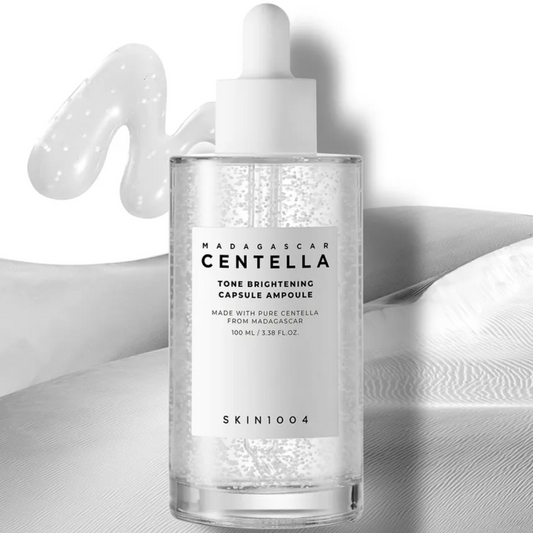
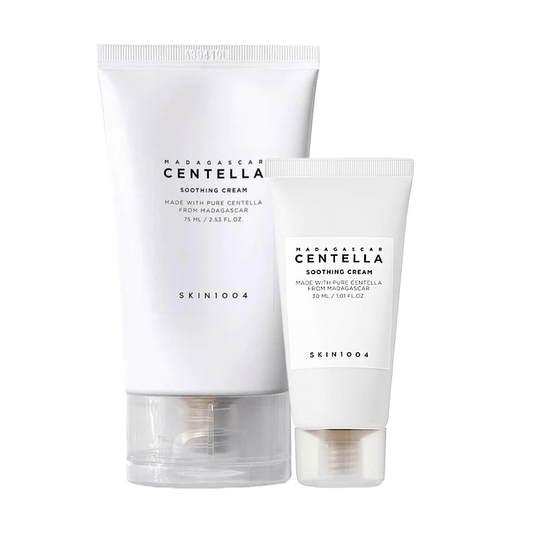
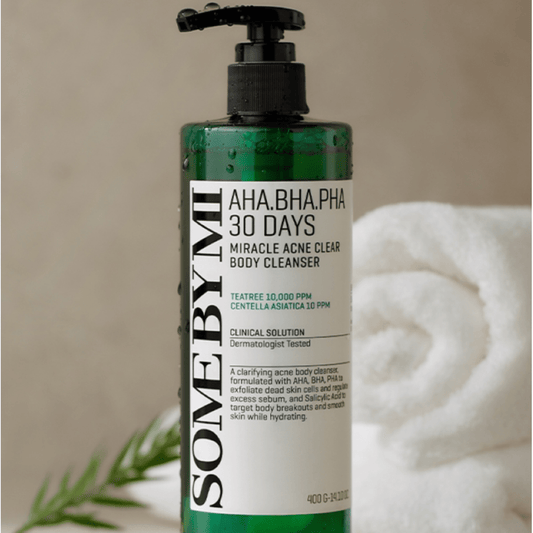
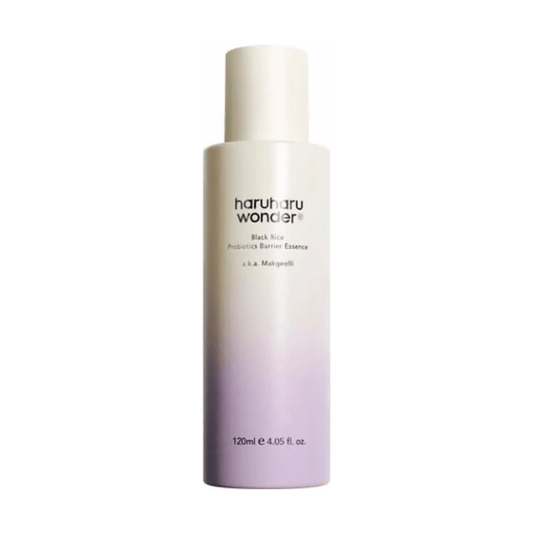
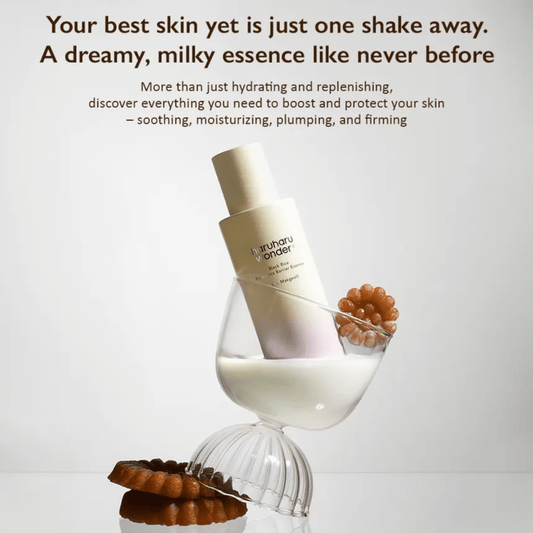
During barrier recovery, simplicity is everything. A gentle, low-pH cleanser removes impurities without stripping. A barrier cream or rich balm creates a protective seal over the skin's surface. A hydrating serum or essence applied underneath adds layers of moisture. Avoid anything with high concentrations of active ingredients - this is a time for gentle, nurturing formulas rather than exfoliants, retinol, or strong acids. Less is genuinely more when skin is healing.
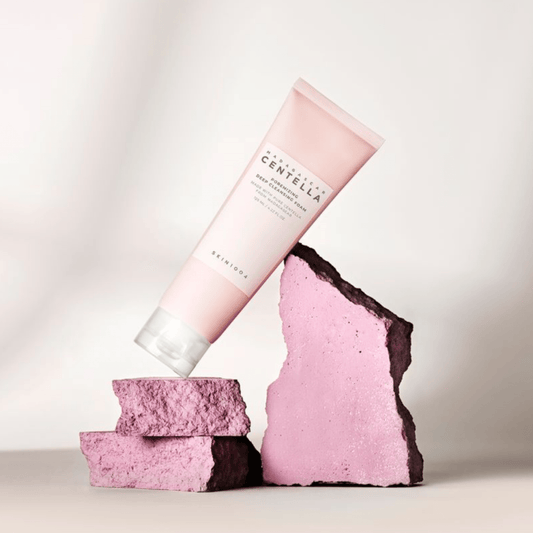
- Low-pH cleansers clean without stripping
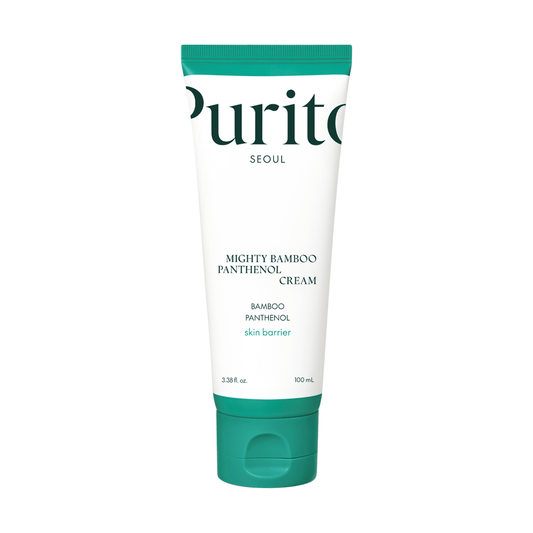
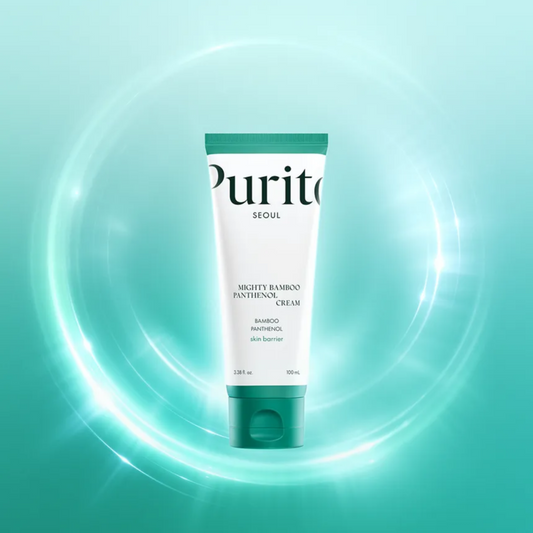
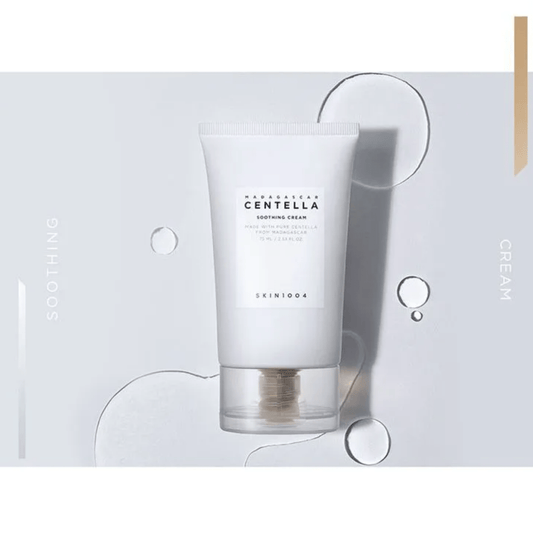
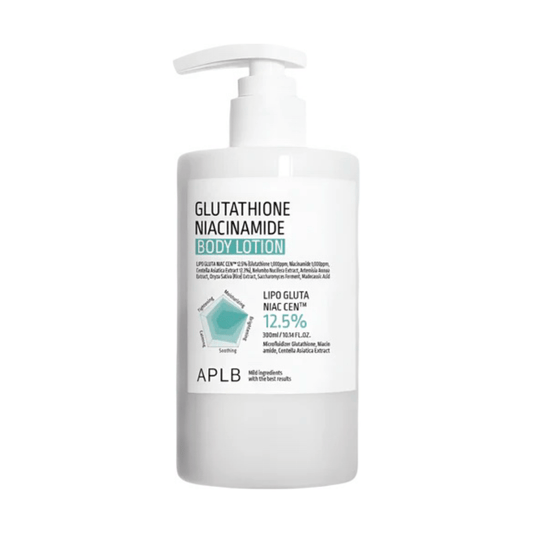
- Barrier creams protect and seal
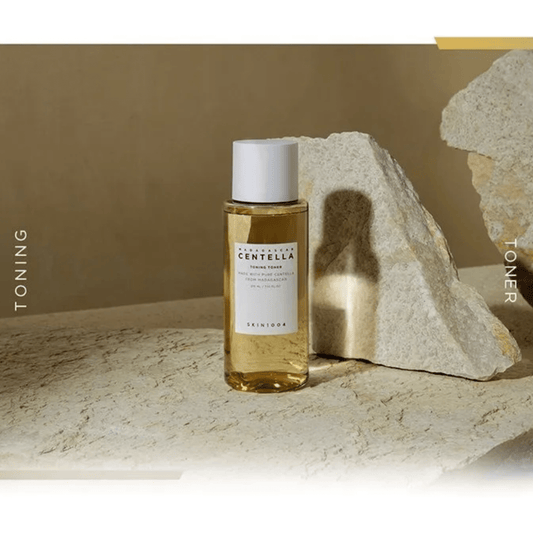
- Hydrating essences layer moisture
- Balms soothe rough or tight areas
A Simplified Recovery Routine
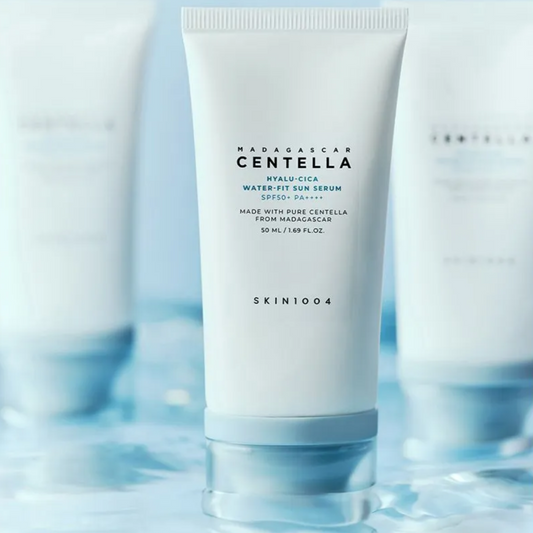
When recovering, pare your routine back to essentials. Morning: cleanse, hydrate with an essence or serum, and apply a protective moisturiser with SPF. Evening: cleanse gently, apply a calming serum, and follow with a rich, barrier-supportive cream. Resist the urge to add in extra steps while your skin is healing. A consistent, gentle two-step approach - cleanse and protect - is often all that is needed for the first week or two of recovery.
- Keep the routine minimal and calm
- Cleanse, hydrate, protect each day
- SPF supports recovery in the morning
- Rich creams seal in moisture at night
What To Avoid During Recovery
Avoid active ingredients that exfoliate or resurface while your barrier is healing - acids, retinol, and vitamin C can all cause stinging or redness on compromised skin. Physical scrubs and strong astringent toners should also be set aside temporarily. Fragrance, whether natural or synthetic, can provoke reactions when skin is reactive. Avoid switching too many products at once during this period, as it makes it harder to identify what is helping and what is not.
- Pause exfoliating acids temporarily
- Avoid retinol while skin recovers
- Set aside fragranced products
- Introduce nothing new while healing
Find products in this collection chosen specifically to protect, nourish, and comfort skin as your barrier rebuilds - gentle formulas that let your skin breathe and recover at its own pace.