


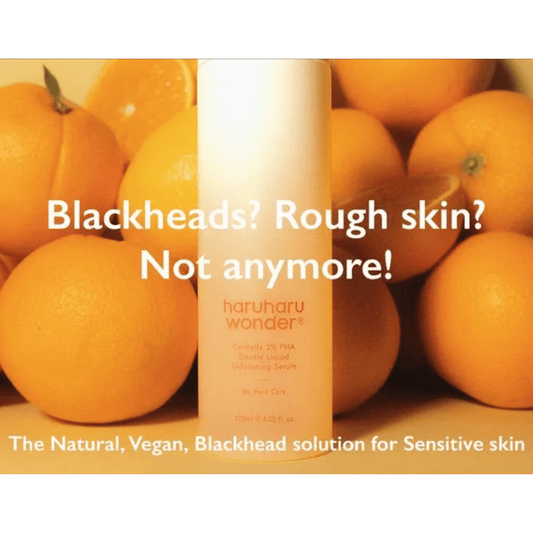

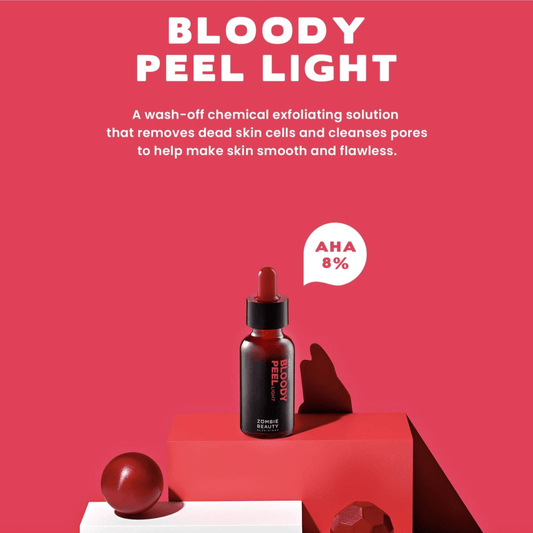
Exfoliating Serums are a staple for anyone working to improve skin texture and even out tone. They deliver targeted acids in a lightweight, absorbable format - making them easy to fit into almost any routine. Used consistently, they reveal clearer, brighter skin over weeks rather than days.
The Acids Behind the Results
Most exfoliating serums are built around one of three acid families. AHAs - including glycolic acid and lactic acid - work on the skin's surface, breaking apart the bonds that hold dead cells together. They are particularly effective for brightening dull tone and smoothing rough texture. BHAs, such as salicylic acid, are oil-soluble, allowing them to clear inside pores as well as the surface - ideal for blemish-prone or oily skin. Some serums blend both for a broader effect. PHAs are the gentlest option and work slowly, making them a good entry point for sensitive skin.
Matching the acid to your concern
- Glycolic acid - surface brightening and smoothing
- Lactic acid - hydrating exfoliation, gentler on dry skin
- Salicylic acid - clears pores and calms breakouts
- PHAs - resurfacing with minimal sensitivity
How Often to Use an Exfoliating Serum
Most exfoliating serums are designed for two to four uses per week, though some lower-concentration formulas can be used daily. The key is to let your skin tell you what it needs. Start with two evenings per week and observe the results over a fortnight before adding more. Well-exfoliated skin looks clearer and feels smooth without any tightness or redness. If irritation appears, reduce frequency rather than stopping entirely - consistency at a lower pace is more effective than irregular intense use.
- Start with two evenings per week
- Increase gradually after a fortnight
- Daily use only with very mild formulas
- Reduce frequency at the first sign of irritation
Dry and Sensitive Skin
Dry and sensitive skin can absolutely benefit from exfoliating serums - the key is choosing the right formula. Lactic acid is a strong choice for dry skin because it exfoliates while drawing moisture into the skin at the same time. PHAs are the most gentle overall. Look for serums that include calming and barrier-supporting ingredients alongside the exfoliant - niacinamide, panthenol, or aloe vera are particularly helpful. Avoid formulas with high fragrance content. Start slowly and always follow with a nourishing moisturiser to support the skin barrier after exfoliation.
- Lactic acid is ideal for dry skin
- PHAs suit the most sensitive skin types
- Look for calming co-ingredients
- Always follow with a barrier-supporting moisturiser
Layering with Other Actives
When it comes to layering, exfoliating serums work best on their own night. Combining them with vitamin C or retinol in the same evening increases the risk of sensitivity without adding benefit. Instead, alternate - vitamin C in the morning, exfoliating serum in the evening, retinol on alternate nights. After applying your exfoliating serum, wait a few minutes before following with your next step. The next morning, SPF is essential - freshly exfoliated skin is more sensitive to UV exposure and needs reliable protection every day.
- Avoid layering with retinol or vitamin C same evening
- Alternate actives across morning and evening
- Wait before applying next steps
- Morning SPF is non-negotiable after exfoliation
Find your ideal formula in the range below. Whether your skin needs gentle maintenance or targeted resurfacing, an exfoliating serum can help you see a real, visible difference over time.