
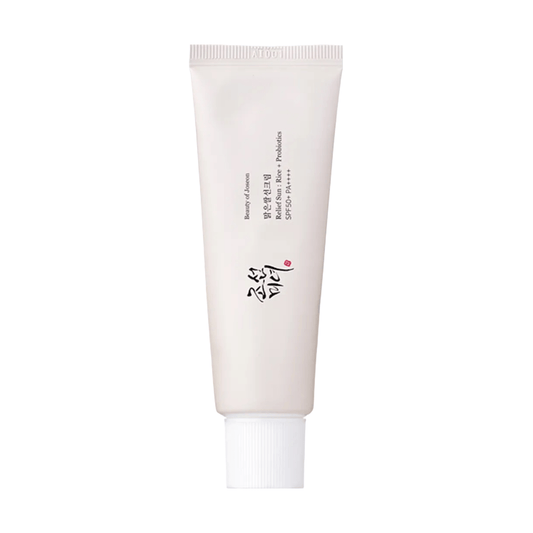
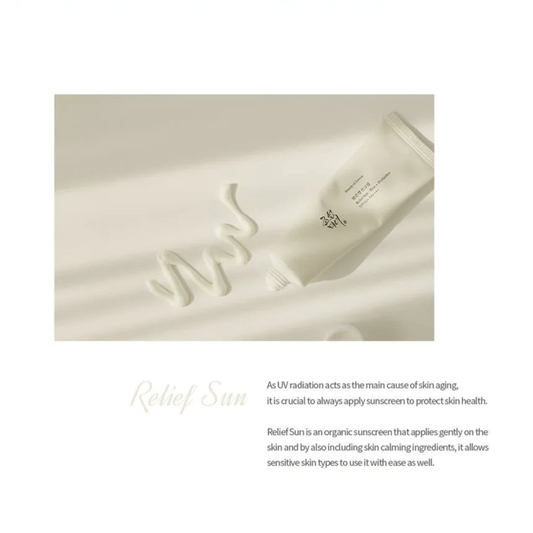
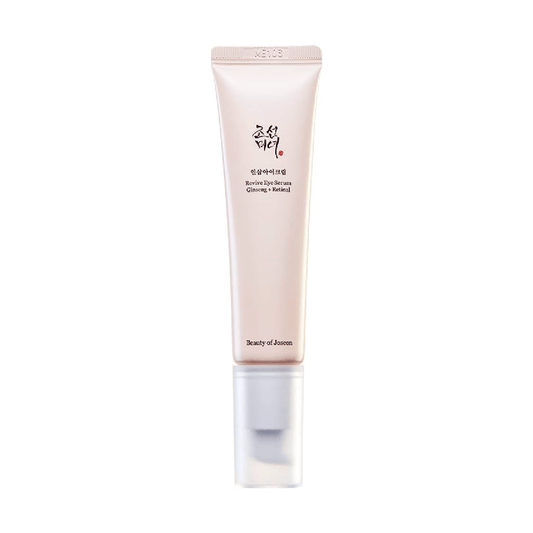
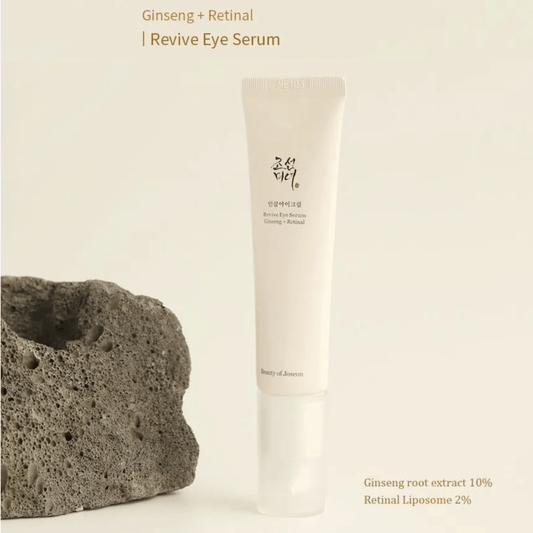




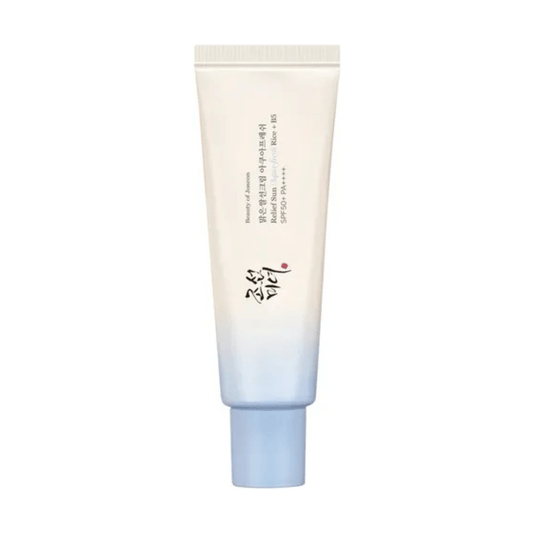

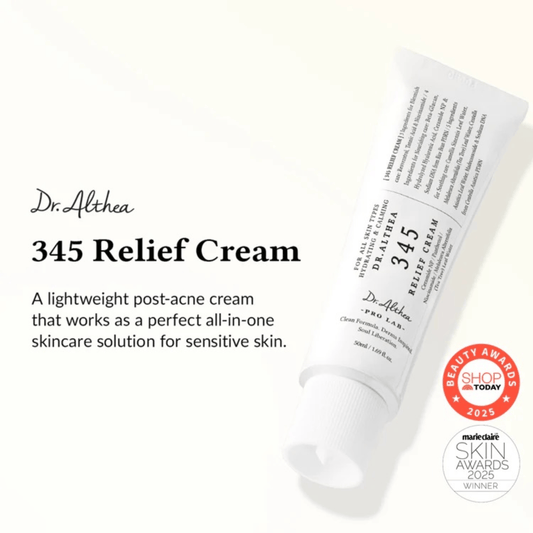
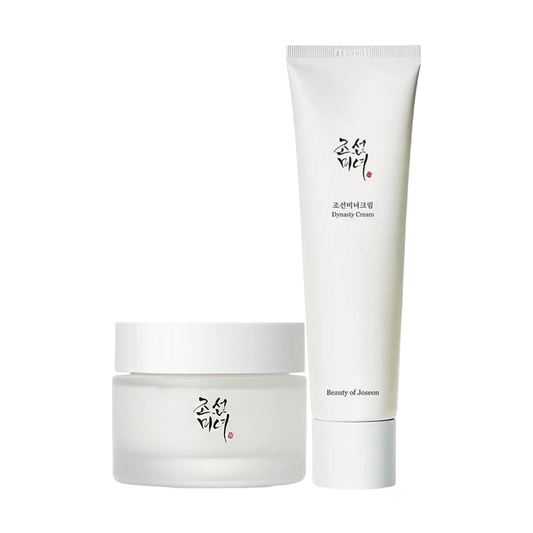



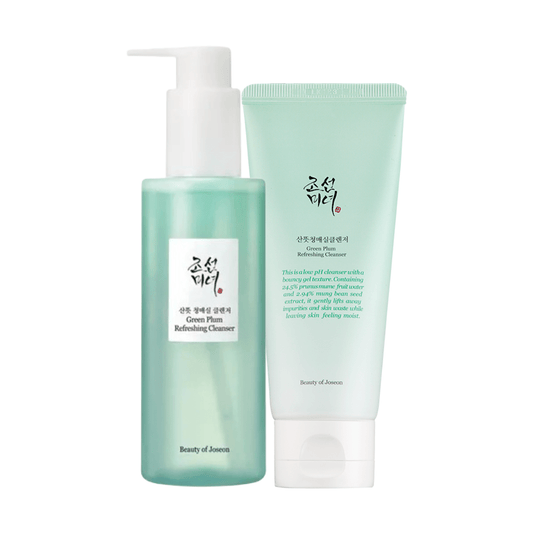
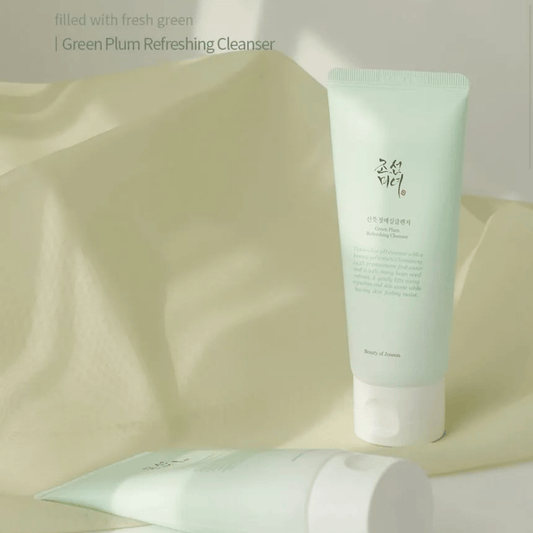

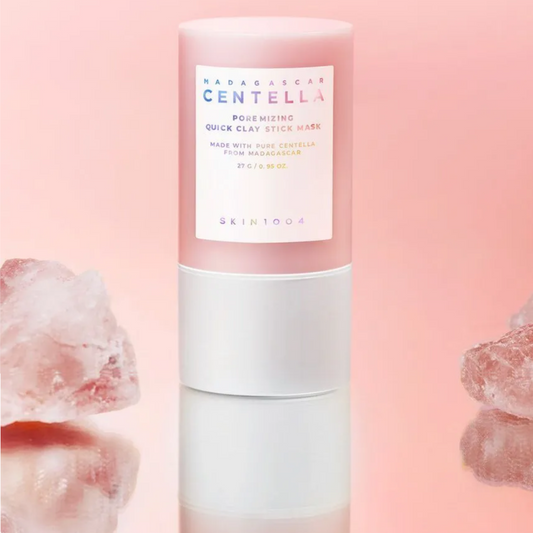
Managing combination skin is about finding a middle ground - products that calm oiliness without drying out the areas that need moisture, and hydrate where needed without adding shine where you do not want it. Combination Skin responds well to thoughtful, balanced routines.
Recognising Combination Skin
Combination skin typically means an oily or shiny T-zone - forehead, nose, and chin - alongside cheeks and outer areas that feel relatively dry, tight, or simply more comfortable. It can sometimes be confused with oily skin, but the key difference is that not all areas behave the same way. If your cheeks feel normal or slightly dry while your nose is shiny by midday, you likely have combination skin. It is worth understanding this before you choose products, as the wrong formula in the wrong area can make both zones worse.
Is it combination or just oily?
The simplest way to check: cleanse your face, pat dry, and wait an hour without applying anything. If only your T-zone shines and your cheeks feel comfortable or tight, your skin is combination rather than oily throughout.
- T-zone shines, cheeks stay calm
- Drier patches around cheeks or jawline
- Pores more visible on nose and chin
- Product heaviness shows up quickly
Ingredients That Work Well for Both Zones
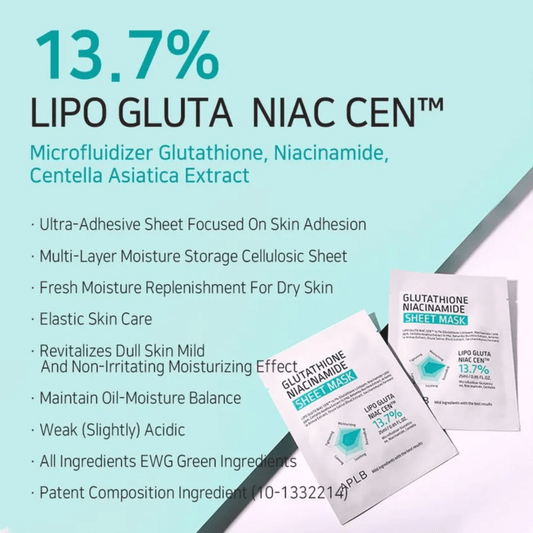
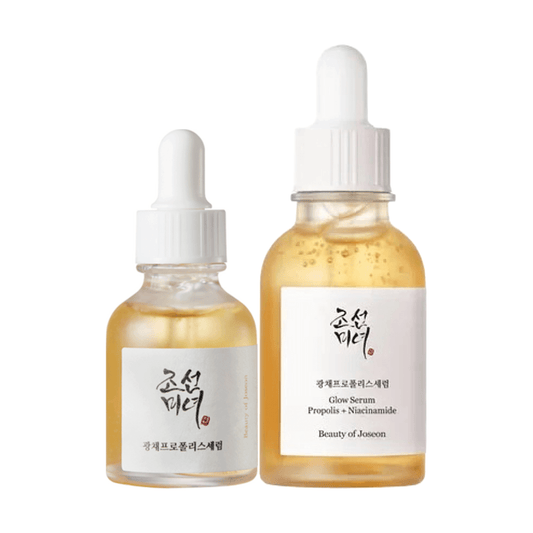
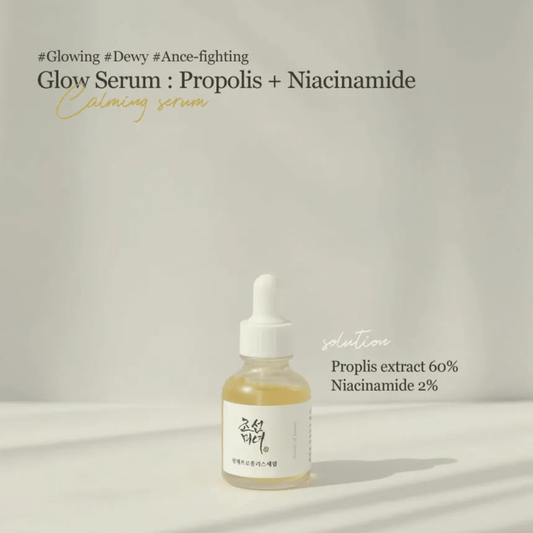
Lightweight hydrators such as hyaluronic acid and glycerin deliver moisture without heaviness - suitable across all zones. Niacinamide helps regulate oil production in the T-zone while supporting the barrier in drier areas. Gentle botanical extracts such as green tea or centella soothe reactive patches without adding shine. Avoid ingredients that are heavily occlusive or particularly drying - both extremes can push combination skin further out of balance.
- Hyaluronic acid hydrates without shine
- Niacinamide balances oil gently
- Glycerin draws moisture evenly
- Centella calms reactive patches
Product Formats That Balance Well
Gel or gel-cream moisturisers are often the most versatile choice for combination skin - lightweight enough for the T-zone, hydrating enough for drier areas. Gel cleansers remove oil thoroughly without stripping. Lightweight, water-based serums layer well under moisturiser without adding heaviness. If your skin needs a little more moisture in specific areas, you can apply a slightly richer cream to drier zones alone as part of your evening routine.
- Gel-cream moisturisers suit both zones
- Gel cleansers balance without stripping
- Water-based serums layer easily
- Spot-apply richer creams where needed
Balancing Your Routine
Morning: cleanse with a gentle gel formula, apply a lightweight hydrating serum, follow with a gel-cream moisturiser, and finish with a broad-spectrum SPF. Evening: cleanse thoroughly, apply any treatment serums, and follow with a moisturiser appropriate to how your skin feels that day. There is no rule that says you must use the same moisturiser all over - adapting to your skin's current needs each evening is a perfectly sensible approach for combination skin types.
- Gel formulas suit T-zone well
- SPF daily, lightweight formula
- Adapt moisturiser by zone at night
- Cleanse consistently morning and evening
What To Avoid
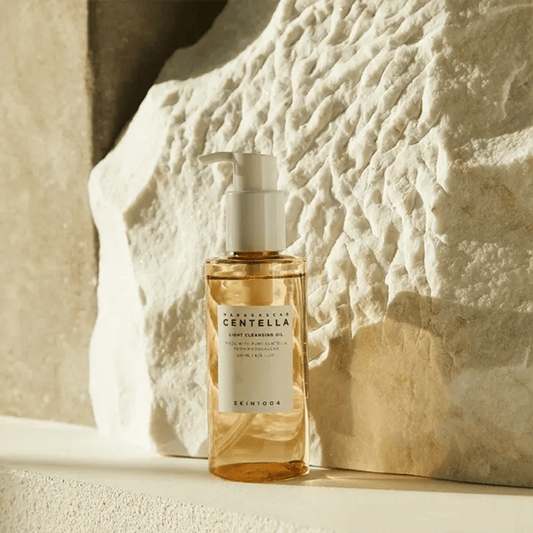
Rich, heavily occlusive creams applied all over can block pores in the T-zone. Drying, alcohol-based toners may help the T-zone short-term but will worsen dryness elsewhere and trigger a rebound oil response. Heavy cleansing balms used as the only cleanse can leave residue on oilier areas. Over-exfoliating is a common mistake - using BHAs too frequently can strip the skin and leave both zones struggling to stay balanced.
- Avoid heavy creams on the T-zone
- Skip alcohol-based astringent toners
- Do not over-exfoliate across all zones
- Resist layering too many products
Browse the collection to find products chosen for the particular demands of combination skin - balanced, lightweight formulas that work with your skin rather than against it.