

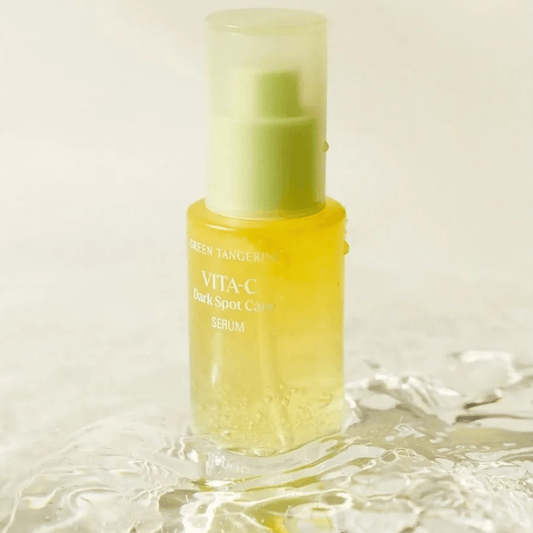






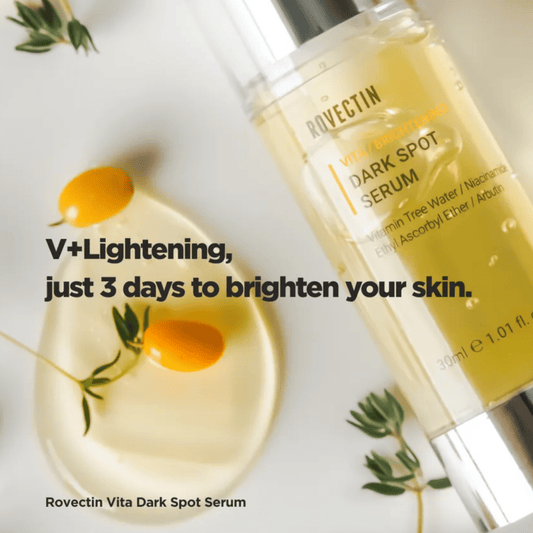

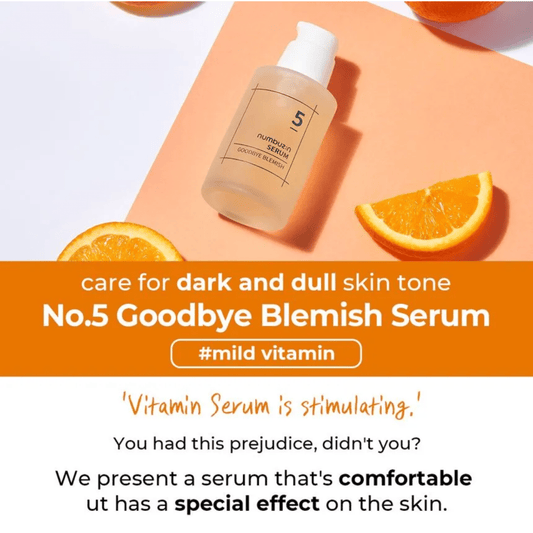

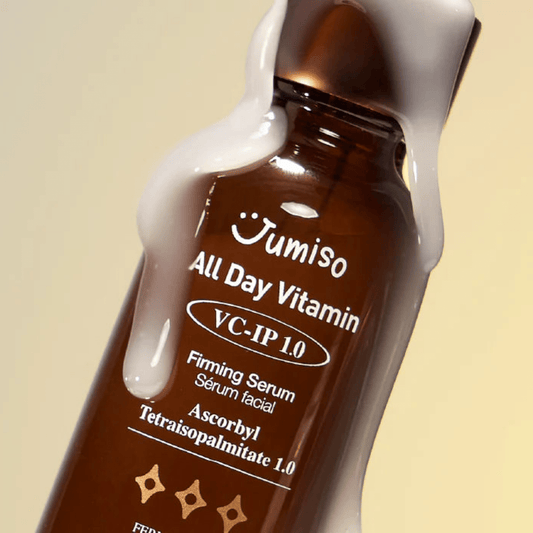











Vitamin C has earned its place as a staple brightening ingredient for good reason. When the right formula meets the right routine, the results - clearer skin, a more even tone, and a brighter appearance - are visible and lasting.
What Concentration to Look For
Vitamin C concentration in skincare ranges from around five percent to twenty percent. Lower concentrations suit sensitive skin, first-time users, and maintenance routines where gentle brightening and antioxidant protection are the goal. Higher concentrations deliver more targeted brightening action and are suited to established routines where skin has already adjusted to actives. The most common and stable forms include ascorbic acid at higher concentrations and gentler derivatives such as ascorbyl glucoside or sodium ascorbyl phosphate for sensitive skin. What matters most is stability - choose products in opaque or airtight packaging to preserve potency.
- Five to ten percent - gentle brightening and protection
- Fifteen to twenty percent - targeted dark spot fading
- Ascorbic acid - potent and direct
- Gentler derivatives - suited to sensitive skin
Suitability for Sensitive and Reactive Skin
Sensitive skin can use Vitamin C, but the form and concentration matter. High-concentration ascorbic acid can cause temporary redness or tingling on reactive skin. Gentler vitamin C derivatives - such as ascorbyl glucoside or tetrahexyldecyl ascorbate - deliver brightening benefits at a lower irritation risk, making them more accessible for sensitive skin types. Starting with a lower concentration and using vitamin C every other day while the skin adjusts is a sensible approach for anyone whose skin tends to react. Most sensitive skin tolerates vitamin C well once the right formulation is found.
- Choose gentler derivatives for sensitive skin
- Start with lower concentrations and increase gradually
- Apply every other day during adjustment period
- Patch test before daily use
Which Formats Deliver It Best
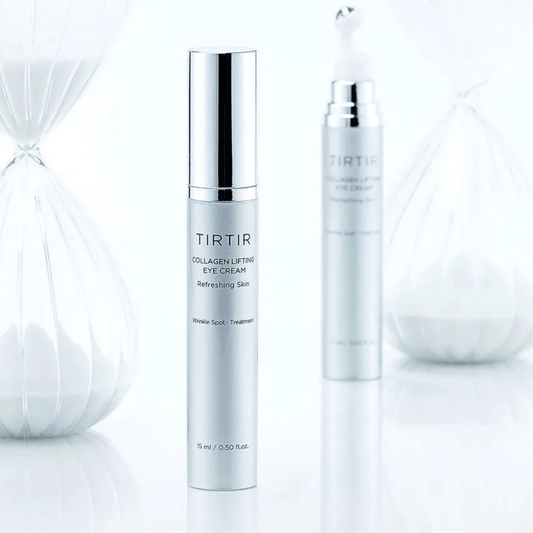
Serums are the most effective format for Vitamin C - concentrated and designed to absorb quickly before heavier products seal the skin. A vitamin C serum in the morning, followed by SPF, is the most commonly recommended routine approach. Moisturisers with vitamin C offer a simplified alternative for those who prefer fewer steps. Eye creams containing gentler vitamin C derivatives help brighten the delicate eye area without irritation. Powder formats that are mixed fresh into other products are available for those who prioritise potency and freshness.
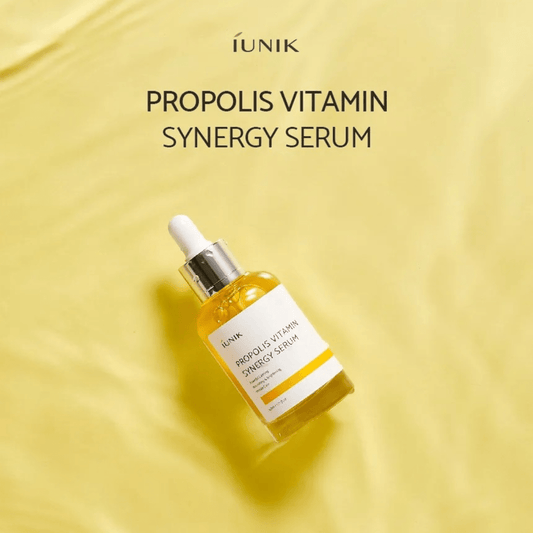
- Serums - concentrated morning application
- Moisturisers - simplified brightening step
- Eye creams - brightening for the delicate eye area
- Powder formats - maximum freshness and potency
Pairing It with Other Actives
Vitamin C and niacinamide can be used in the same routine - the idea that they cancel each other out is outdated. Niacinamide adds complementary brightening and barrier support alongside vitamin C. Retinol is used in the evening while vitamin C is applied in the morning - the two are complementary in a day/night pairing. AHAs and vitamin C should not be used in the same step, as the pH difference reduces effectiveness - use them in separate routines or different time slots. Sunscreen is essential when using vitamin C: it protects the skin and preserves the results.
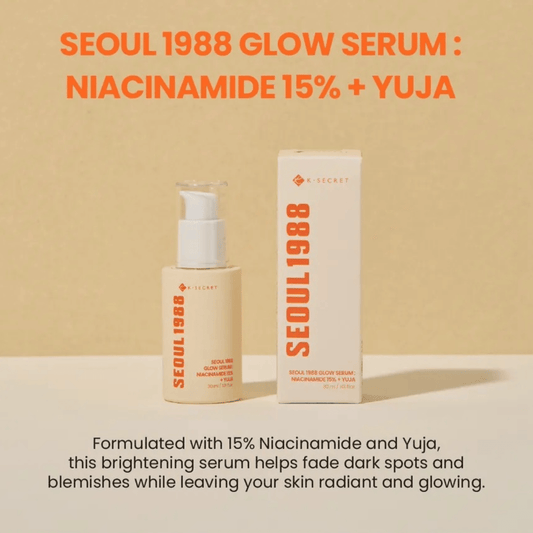
- Niacinamide - complementary brightening in the same routine
- Retinol - morning/evening pairing
- AHAs - keep to separate routine steps
- Sunscreen - essential for protecting results
Explore the Vitamin C range and find the formula that works for your skin type and routine.