
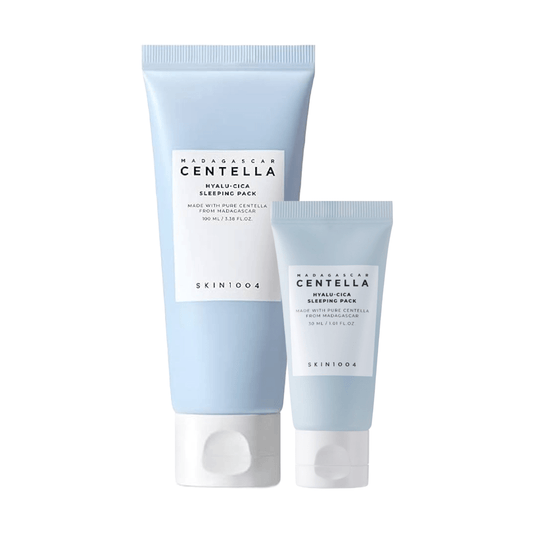
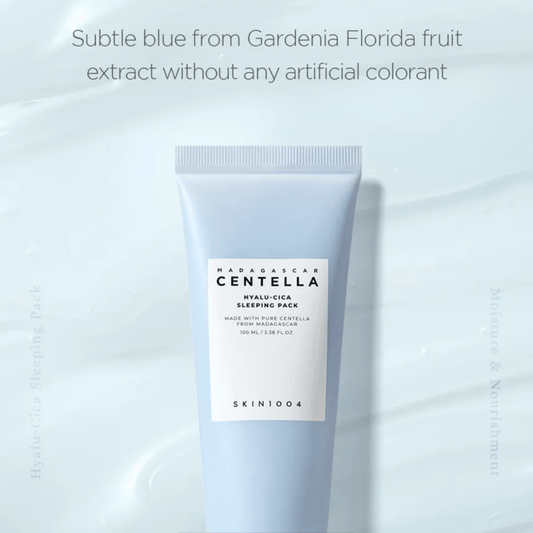





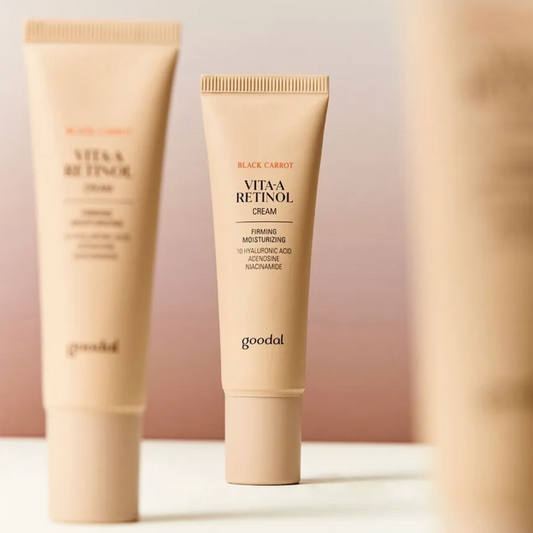
Moisturisers & Sleeping Masks share a purpose - keeping the skin nourished and supported - but they do it in different ways and at different intensities. A moisturiser maintains daily hydration; a sleeping mask goes further, delivering a more concentrated overnight treatment that the skin absorbs through the hours when it is doing most of its natural repair work.
Sleeping Mask vs Regular Moisturiser - What is the Difference
A regular moisturiser is applied morning and evening to seal in moisture and maintain the skin's surface balance. A sleeping mask is applied as the final step of the evening routine and is formulated to stay on the skin overnight - providing a sustained, deeper level of nourishment. Sleeping masks tend to be richer in texture and contain a higher concentration of hydrating and restorative actives. They are not rinsed off until morning, which allows the skin to absorb the formula fully over several hours.
- Moisturiser: daily hydration and surface balance
- Sleeping mask: intensive overnight nourishment
- Sleeping mask stays on until morning - not rinsed at night
- Richer texture and higher active concentration than a moisturiser
How Often to Use a Sleeping Mask
Most people use a sleeping mask two to three times per week, on evenings when the skin needs extra support - after exfoliation, after active ingredients, or when the skin feels particularly dry or stressed. Some formulas are mild enough for daily use. If your skin is very dry or dehydrated, using a sleeping mask every evening may suit your routine well. Start with two to three nights per week and adjust based on how your skin feels in the morning.
- Two to three times per week suits most people
- Mild formulas can be used every evening
- Use after exfoliation or active ingredient nights
- Very dry skin may benefit from nightly use
Ingredients That Support Overnight Recovery
Overnight formulas tend to include ingredients that work best with extended skin contact time. Ceramides help restore and strengthen the skin barrier through the night. Peptides support the skin's natural overnight repair cycle. Niacinamide provides a brightening and balancing effect that builds with each use. Hyaluronic acid and glycerin draw and hold moisture while the skin is at rest. Shea butter and squalane provide a nourishing, protective layer that seals everything in place until morning.
- Ceramides to strengthen the skin barrier overnight
- Peptides to support the skin's repair cycle
- Hyaluronic acid and glycerin for overnight moisture
- Shea butter and squalane for a protective, nourishing seal
Suitability for Sensitive and Reactive Skin
Sleeping masks suit sensitive skin well, provided the formula is chosen carefully. Look for fragrance-free options with soothing ingredients such as centella, beta-glucan, or panthenol. Avoid formulas with essential oils, alcohol, or retinol if your skin is reactive. A calming sleeping mask used consistently can help reduce sensitivity over time by supporting barrier repair night after night. The extended contact time is an advantage for gentle, supportive ingredients.
- Choose fragrance-free, minimal formulas
- Centella and beta-glucan suit reactive skin well
- Avoid essential oils and alcohol on sensitive skin
- Consistent use supports barrier repair over time
Find the formula that fits your evening routine and your skin type. Browse the full range and choose the overnight step that gives your skin what it needs while you sleep.