









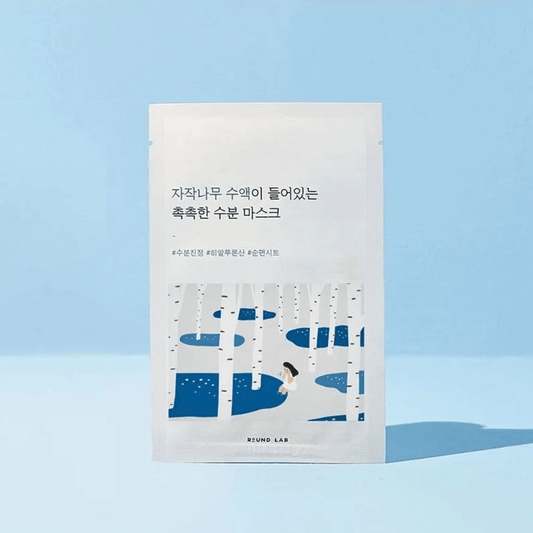
Korean Masks for Dry Skin are chosen for a skin type that produces less sebum than it needs to maintain a comfortable, healthy barrier. Without enough natural oil, moisture escapes more easily and the skin surface can feel rough, tight, and uneven. A mask used regularly gives dry skin the intensive nourishment a daily routine often cannot deliver alone.
Understanding Dry Skin Type
Dry skin is not a temporary condition like dehydration. It is an inherent skin type where the sebaceous glands produce less oil than average, resulting in a thinner lipid barrier. This barrier is less effective at holding moisture in and blocking irritants out, which is why dry skin tends to be both parched and sensitive. Korean masks for this skin type focus on replenishing the oils and lipids the skin is not producing enough of on its own.
- Sebum production is naturally lower than average
- The lipid barrier is thinner and less protective
- Moisture escapes more quickly than in other skin types
- Skin may also be sensitive due to barrier weakness
Ingredients for Dry Skin Masks
Dry skin responds best to emollient-rich formulas that seal and soften as well as hydrate. Shea butter and camellia oil are K-beauty favourites because they closely mimic human sebum and absorb without clogging pores. Squalane adds lightweight but effective moisture without heaviness. Ceramides and cholesterol replenish the structural lipids the barrier is lacking. Glycerin provides the humectant base that pulls water into the skin and holds it there.
- Shea butter and camellia oil for emollient nourishment
- Squalane for lightweight barrier support
- Ceramides and cholesterol for lipid replenishment
- Glycerin and hyaluronic acid for water retention
Fitting Masks into a Dry Skin Routine
Korean Masks for Dry Skin work best in the evening as the final intensive treatment before bed. Sleeping masks can replace the moisturiser step entirely, delivering nourishment through the night. Wash-off cream masks should be followed with a rich moisturiser or facial oil to lock in results. Use two to three times a week and expect a gradual improvement in softness, suppleness, and overall comfort with consistent use.
- Use in the evening after cleansing and toning
- Sleeping masks replace the moisturiser step
- Follow wash-off formats with a rich moisturiser
- Use 2-3 times weekly for noticeable improvement
Seasonal Adjustments for Dry Skin Masking
Dry skin requires more intensive masking in winter, when cold air outdoors and heated air indoors both strip moisture from the skin more rapidly than in other seasons. In winter, increasing masking frequency to three or four times a week and choosing the richest available format, cream sleeping masks or balm-type treatments, compensates for the accelerated moisture loss. In summer, when humidity is higher and the skin retains moisture more easily, reducing to two sessions per week and choosing a lighter gel or emulsion format keeps the routine proportionate to the season. Adjusting with the seasons rather than using the same routine year-round delivers better, more comfortable results for dry skin.
- Increase masking frequency in winter to three or four sessions
- Choose richest formats during cold, dry seasons
- Reduce to two sessions per week in summer
- Lighter formats suit warmer, more humid conditions
Scroll up to explore the collection. Your skin will know when it has found the right mask.