












Korean Masks for Dehydration address a condition that many people misread. Dehydration is not the same as dry skin. It is a temporary shortage of water in the outer layers of the skin, and it can happen to any skin type. Oily skin can be dehydrated. Combination skin can be dehydrated. Even well-moisturised skin can lose water during winter, in air-conditioned spaces, or after a few late nights. These masks restore that water quickly and effectively.
What Dehydrated Skin Feels Like
Dehydrated skin often looks flat, dull, and papery. Fine lines appear more visible even on young skin. There may be a tight feeling after cleansing that disappears quickly but leaves skin looking less plump than usual. On oily skin types, dehydration can paradoxically increase oil production as the skin tries to compensate. A simple pinch test reveals it: if the skin wrinkles briefly when gently pressed and is slow to spring back, dehydration is likely present.
- Skin looks flat, dull, or slightly papery
- Fine lines appear more visible than usual
- Tight feeling after cleansing on any skin type
- Oily skin may produce more oil to compensate
Ingredients That Restore Water
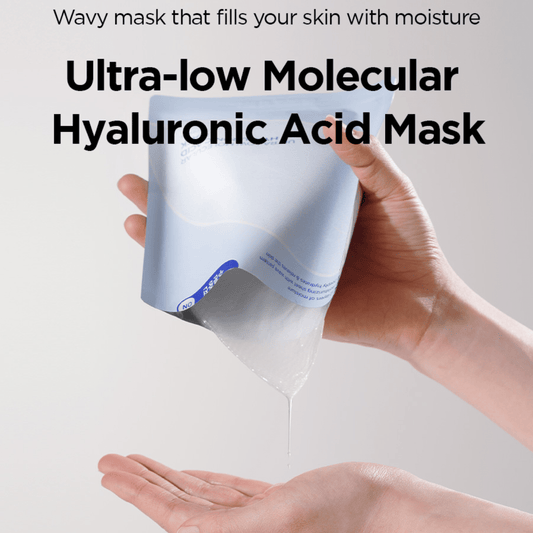
Humectants are the core of any dehydration mask. Hyaluronic acid works at multiple depths to pull water into the skin. Beta glucan and snail mucin provide additional humectant support alongside soothing effects. Glycerin and betaine draw water from the environment and deeper layers. These ingredients work best when the mask is applied to slightly damp skin and followed immediately with a moisturiser to seal in the water the humectants have attracted.
- Hyaluronic acid at multiple molecular weights
- Beta glucan and snail mucin for deep hydration
- Glycerin and betaine for moisture attraction
- Ceramides to prevent water escaping after masking
How to Use Dehydration Masks
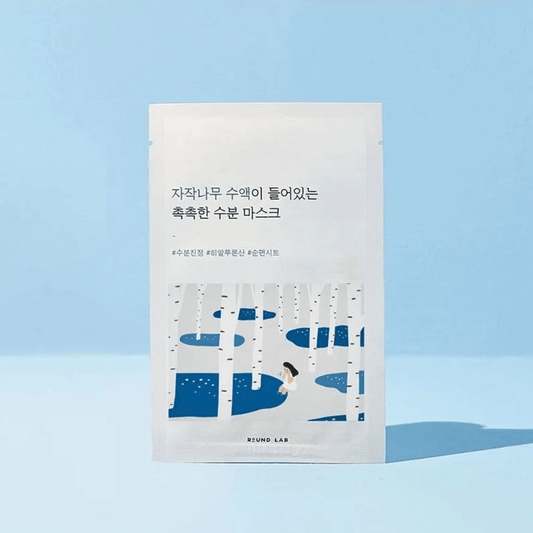
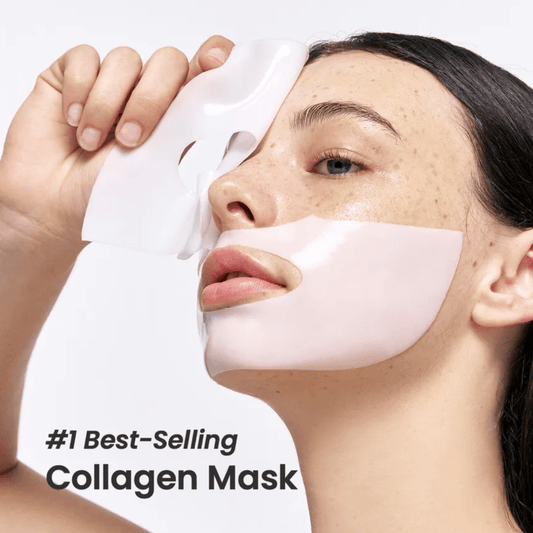
Apply Korean Masks for Dehydration after toning on slightly damp skin. Sheet masks are the most popular format: remove after 15-20 minutes and pat in the remaining essence. Sleeping gel masks work overnight for more intensive rehydration. Follow any mask with a moisturiser suited to your skin type. In winter or during long-haul travel, using a mask every two to three days helps maintain water levels without overwhelming the skin.
- Apply to slightly damp, toned skin
- Use every 2-3 days in dehydrating conditions
- Pat remaining essence into skin after sheet mask
- Always seal with a moisturiser immediately after
Addressing the Root Causes Alongside Masking
Masks treat dehydration at the surface, but the most lasting improvement comes from also addressing the conditions that cause it. Switching to a gentler, non-stripping cleanser often makes a significant difference by reducing the moisture loss that happens with every wash. Adding a humectant toner as the first step after cleansing gives the skin a water-rich base before serums and creams are applied. In heated offices or centrally heated homes, a desktop humidifier maintains ambient moisture and reduces the rate at which the skin loses water to the air. Skincare and environment together produce better results than either alone.
- A gentle cleanser reduces moisture loss per wash
- Humectant toner first gives the skin a water-rich base
- A humidifier reduces ambient moisture loss indoors
- Environment and skincare together work better than either alone
Scroll up to explore the collection. Your skin will feel the difference after just one use.