



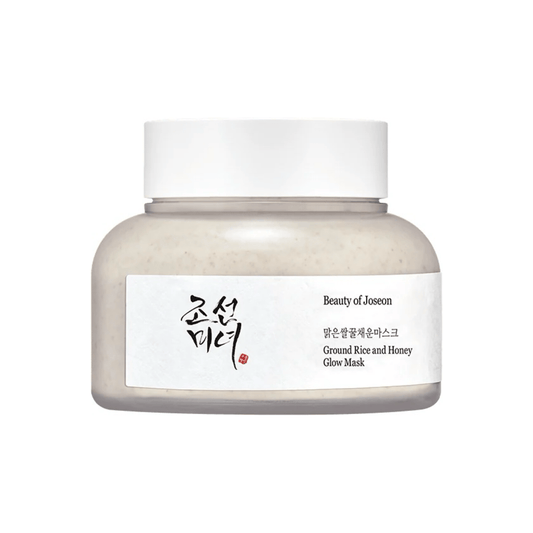
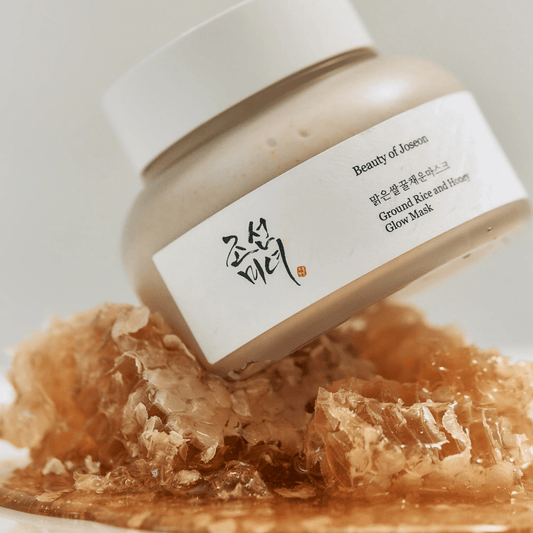





Korean Masks for Dryness use a concentrated dose of hydrating ingredients to give parched skin more than a daily routine can offer on its own. Applied once or twice a week, they help skin hold onto moisture more effectively, building comfort over time rather than just masking discomfort temporarily. The weekly masking ritual is a core part of K-beauty's layered approach to skin health, and dry skin responds particularly well to the extra nourishment that a dedicated mask step provides.
What Dry Skin Actually Needs
Dry skin produces less natural oil than it needs, which means the lipid barrier is thinner and less effective at keeping moisture in. Korean masks address this by delivering rich emollients and humectants that work together: drawing water to the skin surface while sealing it with a soft, protective layer. The result is skin that stays soft for longer, not just in the hours after masking. Ingredients work during the extended contact time of masking more effectively than in a quickly applied and absorbed daily step, giving dry skin a genuine moisture reserve that it can draw on throughout the following days.
- Rich cream and gel-cream mask formats
- Sleeping mask formats for overnight nourishment
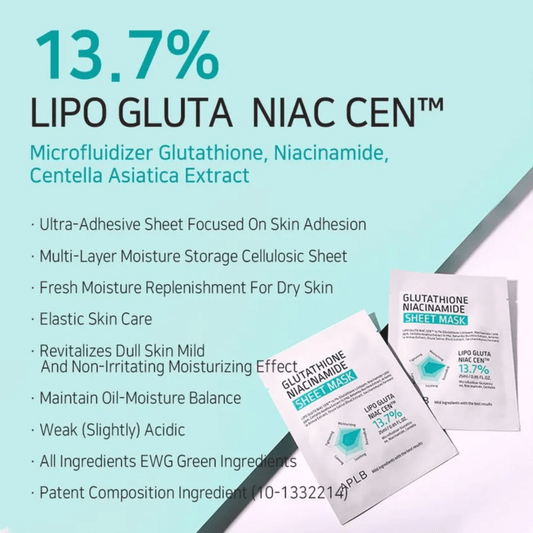
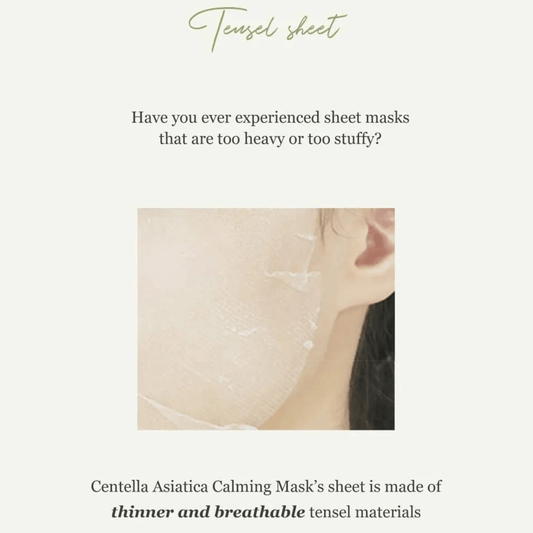
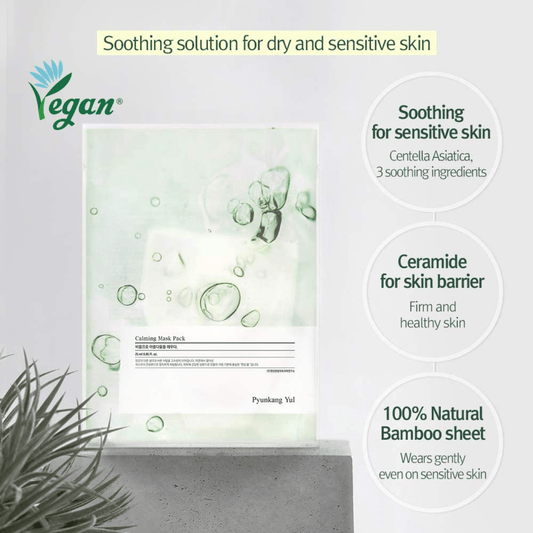
- Hydrating sheet masks soaked in essence
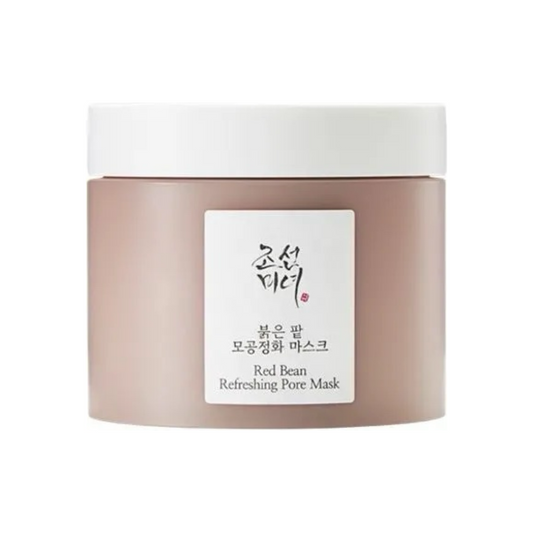
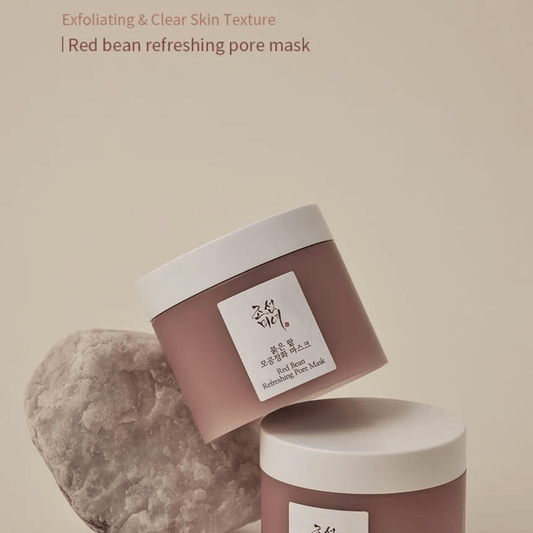
- Wash-off cream masks for deeper treatment
Ingredients That Make a Difference
Look for shea butter, squalane, ceramides, and glycerin in masks for dryness. Shea and squalane are emollients that soften the skin and prevent moisture loss, while glycerin draws water from the environment and deeper layers. Ceramides fill in the gaps of a weakened lipid barrier so moisture stays where it belongs. Panthenol supports repair and adds a silky finish that dry skin responds to well. Together these ingredients provide the full hydration and barrier-sealing effect that dry skin needs to feel genuinely comfortable rather than just temporarily relieved after each masking session.
- Shea butter and squalane for softness
- Glycerin and hyaluronic acid for water retention
- Ceramides for barrier integrity
- Panthenol for soothing and repair
How to Build a Masking Routine for Dry Skin
Masks for dry skin work best in the evening, applied after cleansing and toning. Leave on for the recommended time, then follow with moisturiser to lock everything in. Using Korean Masks for Dryness two to three times a week gives skin a consistent moisture boost that builds gradually. Sleeping mask formats can replace the moisturiser step entirely on masking nights, delivering nourishment all through the night and leaving skin noticeably softer and more comfortable the following morning than any standard moisturiser alone would achieve.
- Apply after cleansing and toning
- Use 2-3 times weekly for best results
- Follow with moisturiser after rinse-off formats
- Sleeping masks can replace the moisturiser step
Choosing the Right Format for Your Dryness Level
Dry skin is not one thing. Mild dryness, where the skin feels slightly tight by afternoon, responds well to a hydrating sheet mask or a light sleeping gel. Significant dryness, where the skin flakes, feels uncomfortable after cleansing, and never quite reaches a comfortable softness, needs a richer format: a cream sleeping mask or a wash-off treatment with emollient oils. Korean brands offer both ends of this spectrum, and choosing the right format for the degree of dryness present makes the most difference to how quickly and clearly results are felt in the days after each weekly masking session.
- Mild dryness responds to sheet masks and gel formats
- Significant dryness needs cream or emollient formats
- Match richness to how dry the skin currently feels
- Richer formats are best used as evening treatments
Browse the collection above to find the mask that fits your routine. Your skin will feel the difference with each use.