







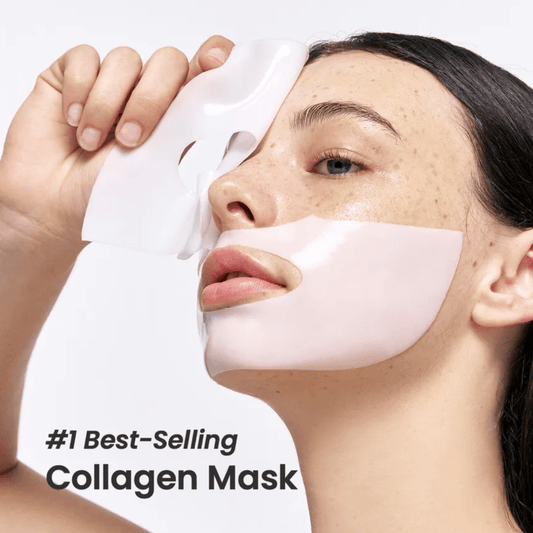



Korean Masks for Oiliness take the K-beauty approach to excess sebum: balance rather than elimination. Stripping the skin of all oil triggers a compensatory response where the sebaceous glands simply produce more. These masks address oiliness by removing what is genuinely excess while keeping the skin's moisture level steady, which is the only approach that reduces shine without making the problem worse over time.
Why Korean Skincare Works for Oily Skin
The K-beauty insight that changed oily skin care is simple: oily skin still needs hydration. When the skin is dehydrated, the sebaceous glands compensate by producing more oil. Korean hydrating masks and balancing formulas provide the water the skin needs so it does not need to over-produce oil to protect itself. Clay and kaolin remove what is genuinely excessive, while niacinamide and green tea regulate the underlying sebum production at a cellular level.
- Kaolin clay for gentle sebum adsorption
- Niacinamide for sebum regulation at the gland level
- Green tea polyphenols for oil-balancing antioxidant action
- Hyaluronic acid to maintain hydration without adding shine
Formats for Oily Skin
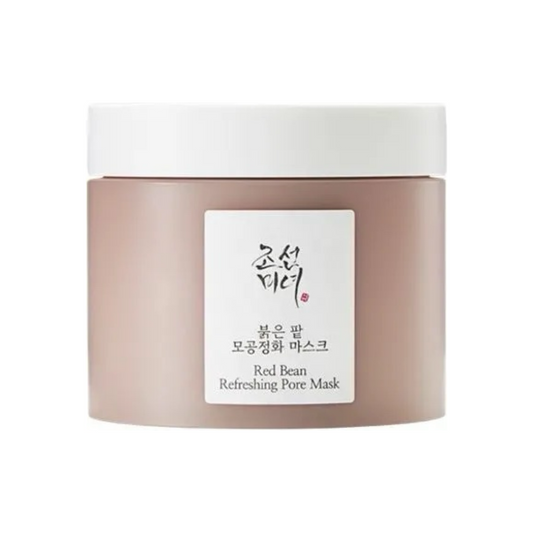
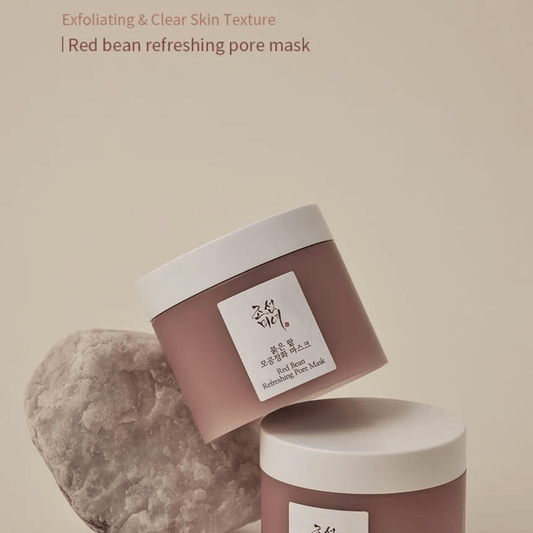
Clay wash-off masks are the most popular format for oily skin because they provide the most thorough sebum removal in a single session. Kaolin is the gentler clay choice for skin that is oily but also sensitive. Bentonite offers stronger adsorption for very oily zones. BHA gel masks work on pore congestion rather than surface oil, dissolving the sebum inside blocked pores from within. Hydrating sheet masks with niacinamide suit oily skin as a balancing treatment on non-clay days.
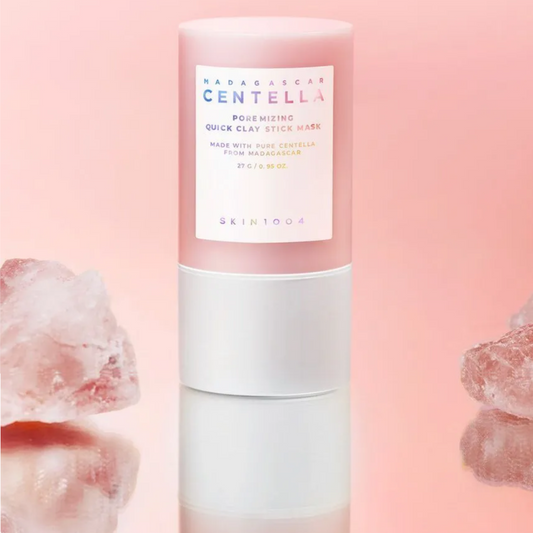
- Kaolin clay for gentle oil control
- BHA gel masks for congestion and pore clarity
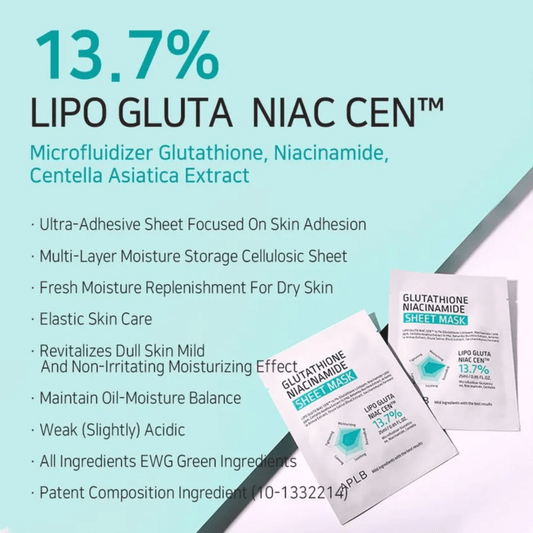
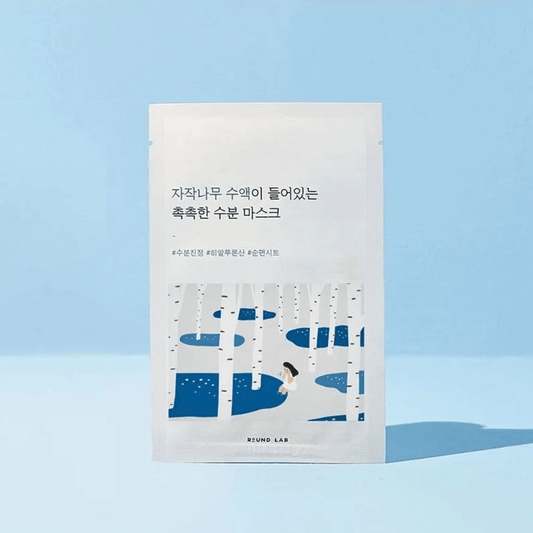
- Niacinamide sheet masks for balancing treatment
- Cooling gel masks for a fresh, mattifying finish
Routine and Frequency
Use clay-based Korean Masks for Oiliness one to two times a week. More frequent use can dry the skin enough to trigger increased oil production. Always rinse before the clay is completely dry: a drying clay mask draws too much moisture out along with the excess oil. Follow with a lightweight gel moisturiser to replace the hydration lost during treatment. On non-clay days, a balancing sheet mask or a niacinamide essence keeps sebum levels steady between deeper treatments.
- Clay masks 1-2 times weekly
- Rinse before clay is fully dry
- Follow with lightweight gel moisturiser
- Use balancing sheet masks on other days
Managing Oily Skin in Different Seasons
Oily skin is typically oiliest in summer, when heat and humidity increase sebaceous gland activity, and less oily in winter, when cold and dry conditions moderate production. In summer, clay masks used twice a week alongside a lightweight niacinamide routine keep sebum in check. In winter, reducing clay mask frequency to once a week and increasing hydrating steps prevents the skin from becoming dehydrated underneath a persistently oily surface. This seasonal adjustment is one of the more practical and underused tools for managing oily skin long-term without disrupting the skin's oil-water balance year-round.
- Summer requires more frequent clay sessions to manage heat
- Winter requires less clay and more hydration steps
- Seasonal adjustment prevents dehydration under oil
- Year-round balance produces the most comfortable long-term result
Find your oiliness mask in the collection above. Balanced, comfortable skin is within reach.