

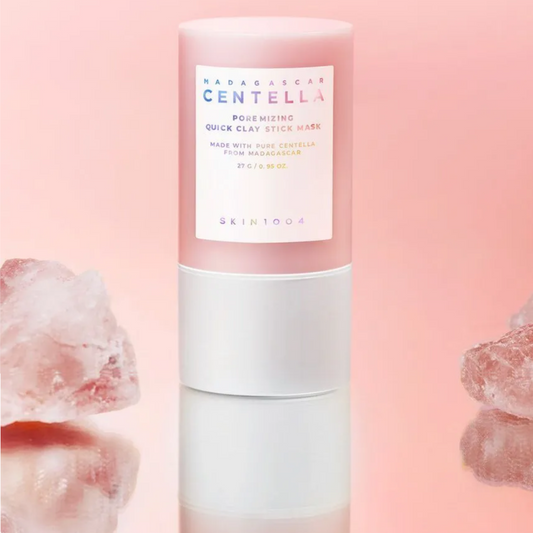
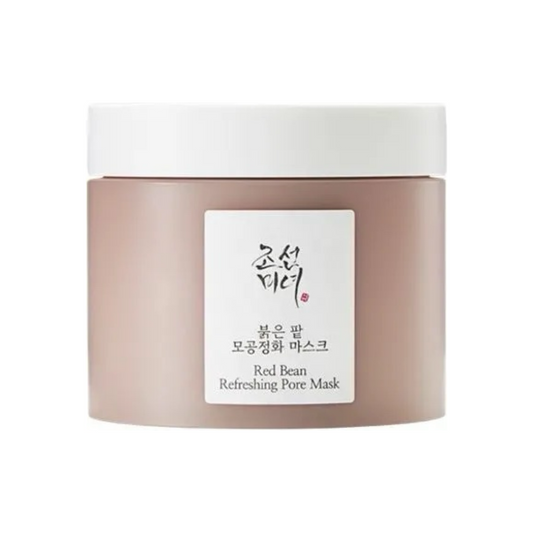
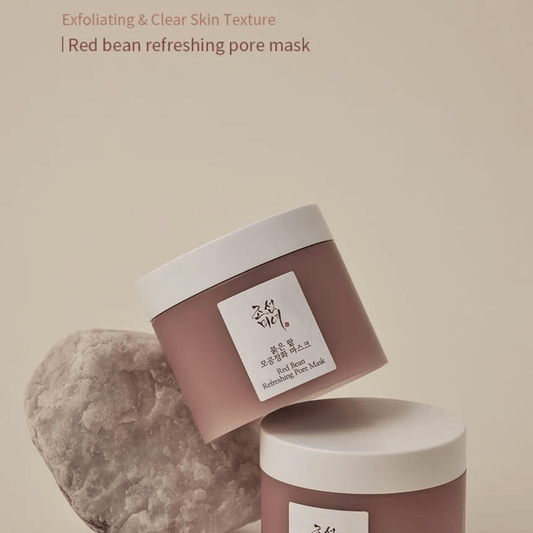
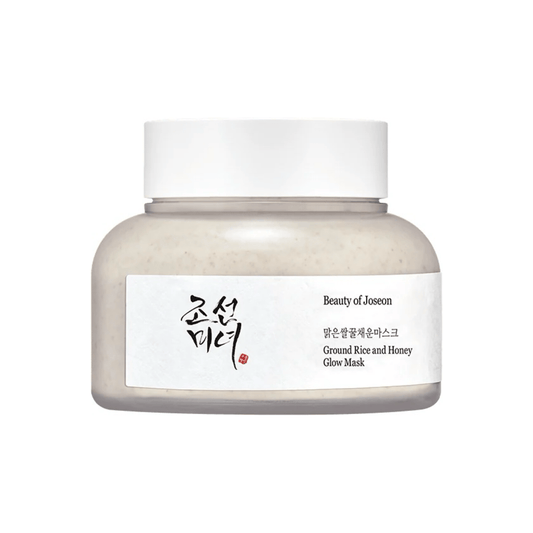
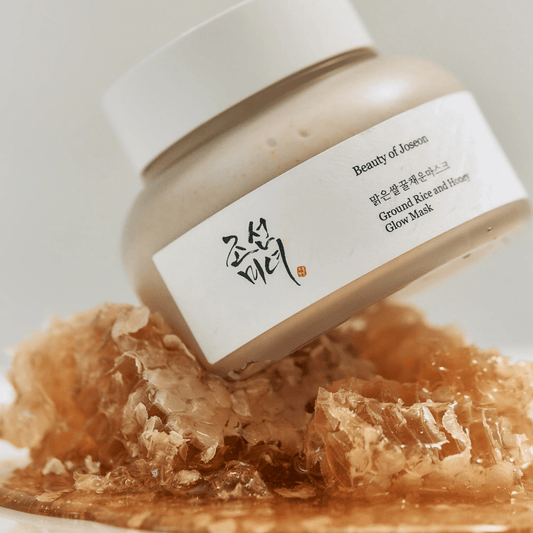


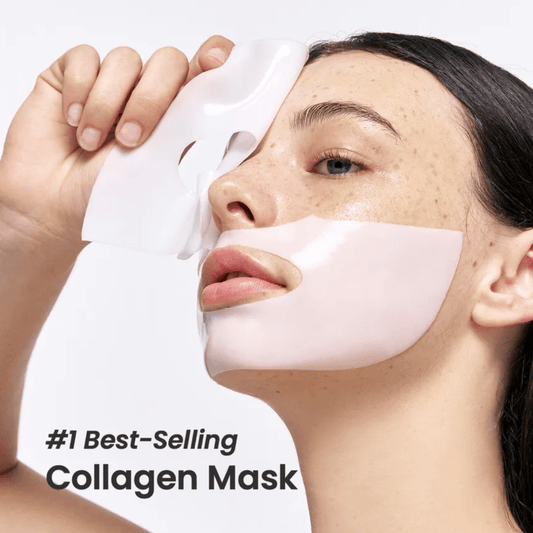


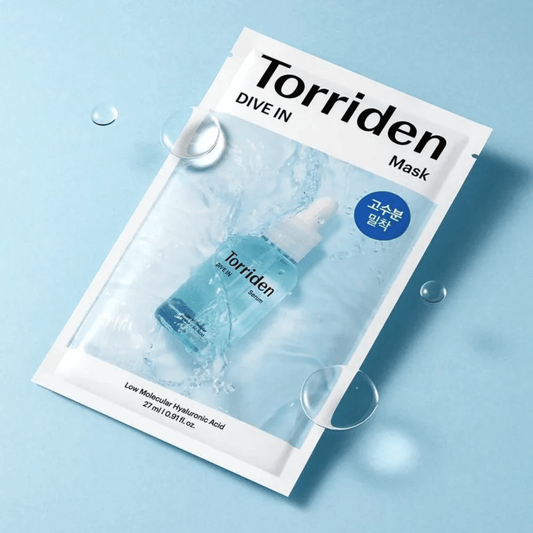

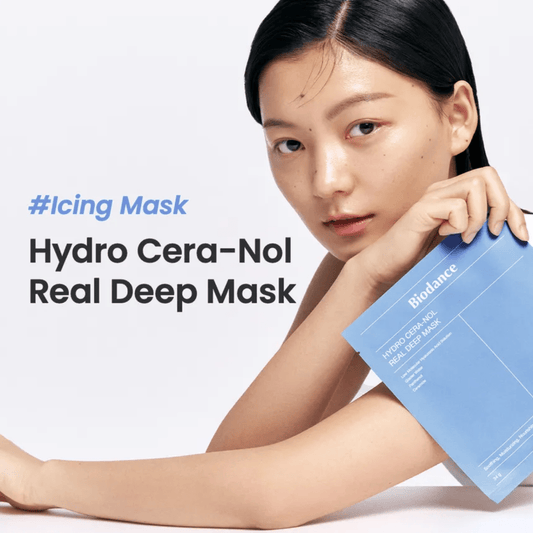


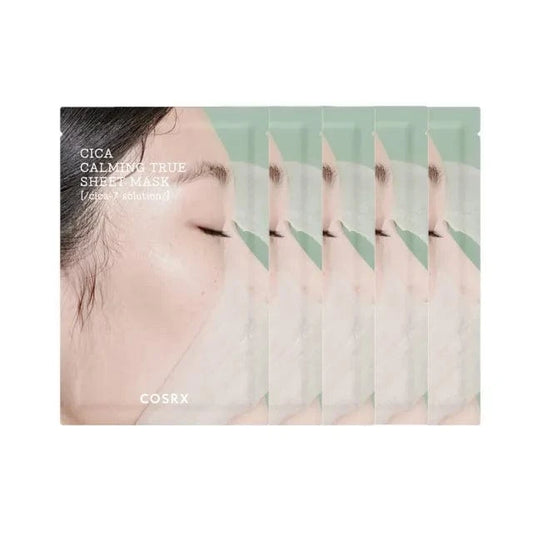


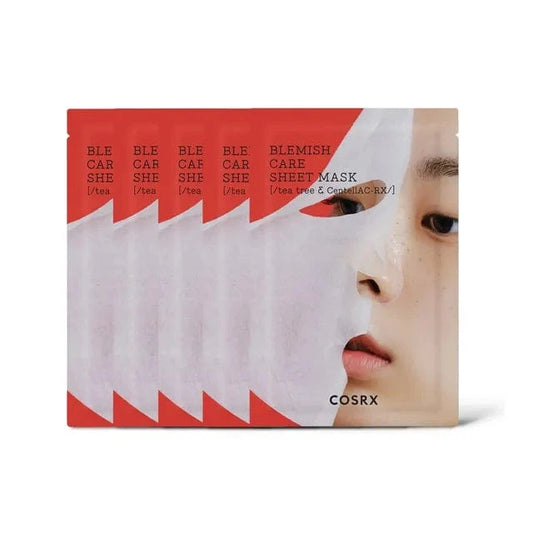
Korean Masks for Oily Skin apply K-beauty's most important insight about sebum: oily skin still needs hydration. Stripping all surface oil with harsh products triggers compensatory overproduction, making oiliness worse over time. These masks remove genuinely excess oil, balance sebum production at the source, and maintain the skin's hydration level so the sebaceous glands do not need to overcompensate.
Understanding Oily Skin Type
Oily skin is primarily a genetic type where sebaceous glands produce more sebum than the skin needs. Hormones, stress, humidity, and certain products can amplify this production further. The T-zone (forehead, nose, chin) tends to be the most active because it has the highest density of sebaceous glands. Oily skin does have advantages: it ages more slowly than dry skin and is naturally protected from moisture loss. The challenge is managing the excess without disrupting the skin's overall health.
- Genetics are the primary driver of oily skin type
- Hormones, stress, and humidity increase production
- T-zone has the highest concentration of sebaceous glands
- Oily skin tends to age more slowly than dry skin
Formats for Oily Skin Masking
Clay masks are the cornerstone of oily skin masking. Kaolin is the gentler option for oily skin that is also sensitive; bentonite offers stronger adsorption for very oily skin. BHA gel masks go deeper, dissolving the sebum inside blocked pores rather than just on the surface. Niacinamide sheet masks suit oily skin as a balancing treatment that reduces sebum production without drying.
- Kaolin clay for gentle surface oil control
- Bentonite clay for stronger adsorption
- BHA gel masks for deep pore clearing
- Niacinamide sheet masks for sebum regulation
Routine and Frequency
Use clay masks one to two times a week, always rinsing before the clay dries fully, and follow with a lightweight oil-free moisturiser. BHA gel masks can be used two to three times a week for ongoing pore clarity. On non-clay days, a niacinamide sheet mask or a balancing essence keeps sebum levels steady between deeper sessions. Consistent use over four to six weeks produces the best reduction in daily shine.
- Clay masks 1-2 times weekly, rinse before fully dry
- BHA masks 2-3 times weekly for pore clearing
- Follow all formats with lightweight oil-free moisturiser
- Results build consistently over 4-6 weeks
Why Moisturiser Matters for Oily Skin
One of the most common mistakes oily skin makes is skipping moisturiser after a clay mask, reasoning that the skin already has enough oil. This is the opposite of helpful. Clay masks temporarily reduce surface oil, and if no moisturiser follows, the skin reads this as depletion and produces more sebum to compensate. A lightweight, oil-free gel moisturiser after every clay mask session gives the skin the water-based hydration it needs without adding emollients that contribute to oiliness. This simple step keeps the oil-water balance more stable between sessions and reduces the daily amount of oil the skin produces over time.
- Skipping moisturiser after clay triggers compensatory oil production
- Water-based gel moisturisers hydrate without adding to oiliness
- This step stabilises oil-water balance between sessions
- Consistent moisturising reduces daily oil production over time
Find your mask in the collection above. Balanced, shine-free skin is the consistent result of the right routine.