
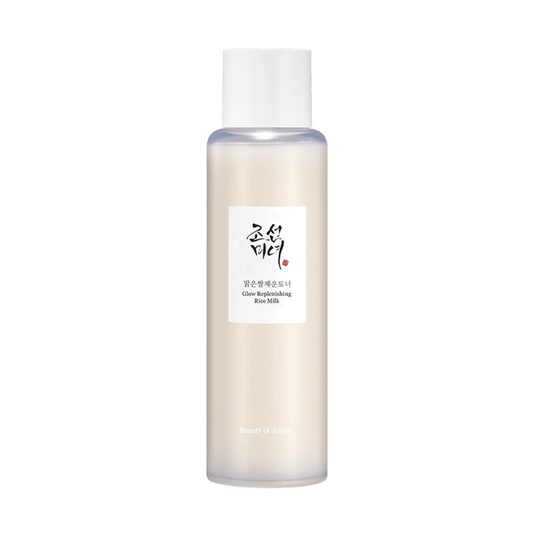
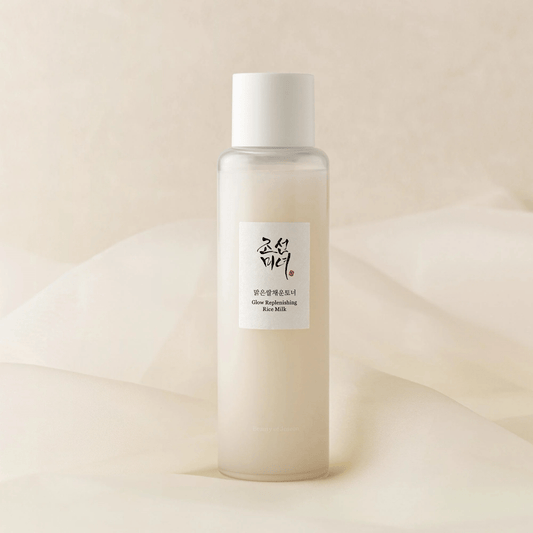

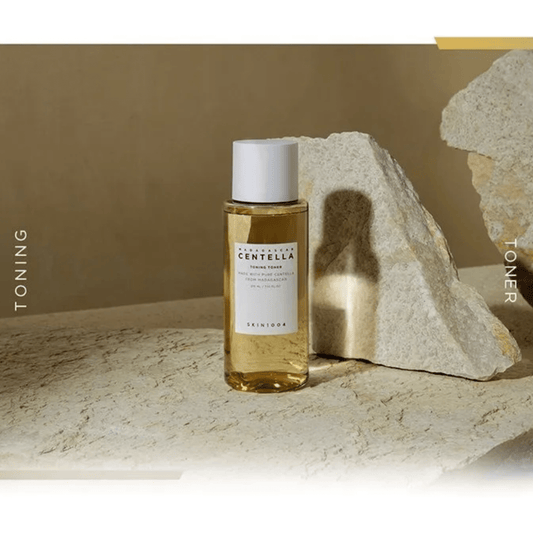

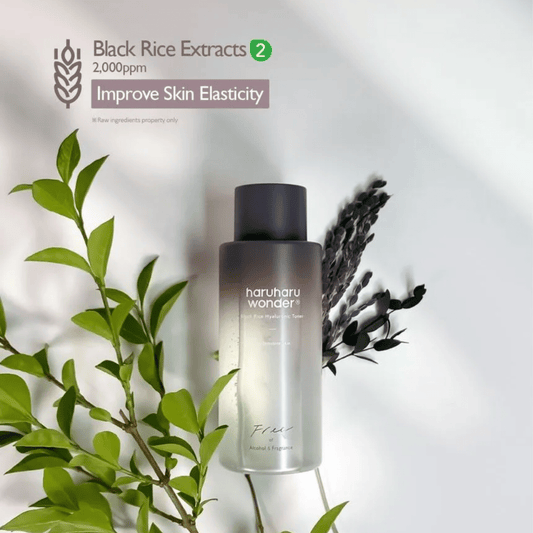


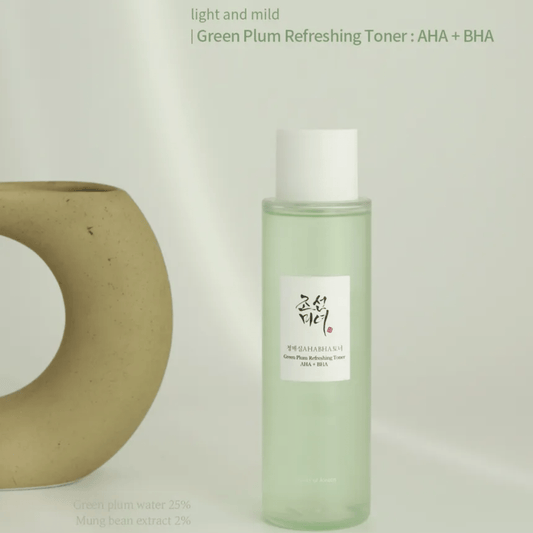

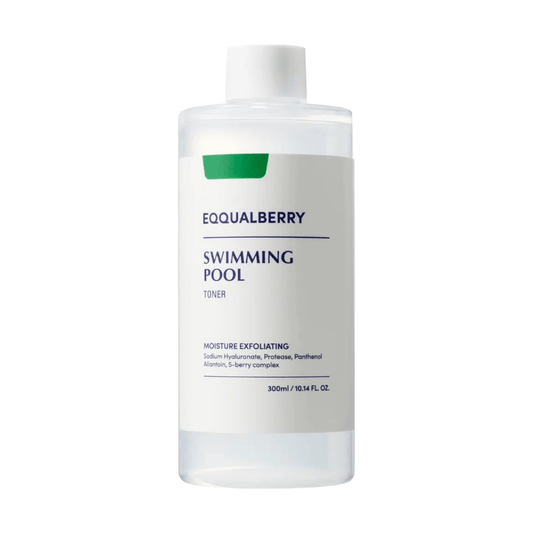

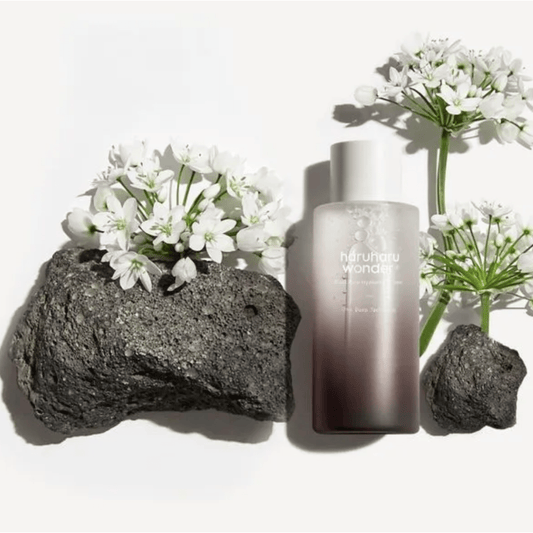


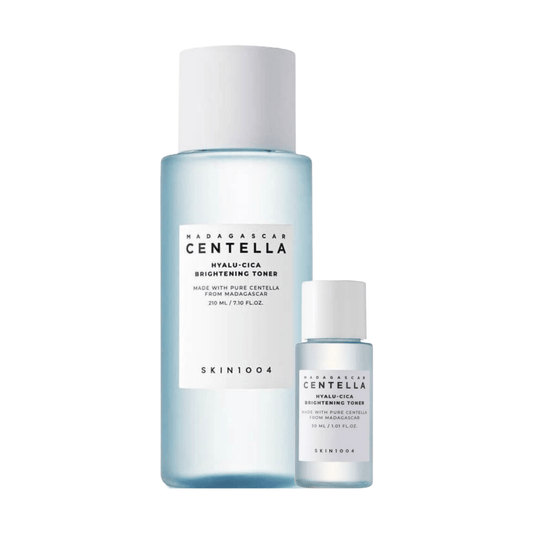





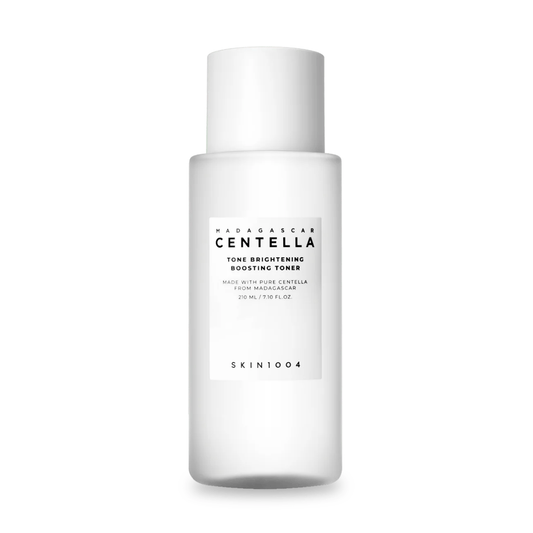
In a Korean dry skin routine, the toner is the first treatment step after cleansing -- not a finishing step, not a pore-tightener, not an astringent. Korean toners work to rebalance the skin's pH after cleansing and deliver an immediate first layer of hydration that preps the barrier to absorb everything that follows. For dry skin, this step matters significantly: skin that has just been cleansed is temporarily more permeable and ready to absorb hydrating ingredients efficiently, and a good toner takes advantage of that window.
What to Look for in a Korean Toner for Dry Skin
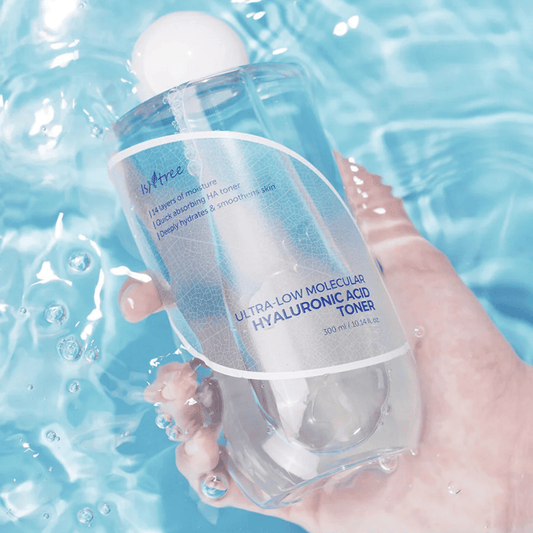
Korean toners for dry skin prioritise humectant content. Hyaluronic acid in toner form delivers lightweight hydration that penetrates quickly before the surface dries. Glycerin adds a touch more moisture retention. Beta glucan provides deep hydration with the bonus of barrier-calming properties. Some Korean toners are formulated as essence-toner hybrids with a slightly thicker, more viscous texture that delivers more hydration per layer -- these suit very dry skin well, particularly as a first-step plumping treatment.
- Hyaluronic acid for lightweight, fast-absorbing first-step hydration
- Glycerin for added moisture retention in a thinner formula
- Beta glucan for deep hydration and barrier-calming benefit
- Essence-toner hybrids for very dry skin needing more from this step
How Korean Toners Differ for Dryness
Western astringent toners were made to tighten pores and remove residual oil -- which makes them actively harmful for dry skin. Korean hydrating toners do the opposite: they add the skin's first moisture layer, balance pH for better enzyme activity, and increase the absorption efficiency of serums and moisturisers applied afterwards. The difference is fundamental enough that using the wrong type actively works against a dry skin routine rather than supporting it.
- Korean toners add moisture; Western astringents remove it
- pH-balancing supports the barrier's natural enzyme activity
- Increased absorption efficiency from products applied afterwards
- No alcohol, no witch hazel, no drying astringents
The Seven-Skin Method
The seven-skin method involves layering seven thin applications of toner instead of applying it once. Each layer is patted in fully before the next. This K-beauty technique builds significant hydration from a single product and is particularly effective for dry skin that needs intensive moisture before the rest of the routine. It doesn't require seven layers to be effective -- three to four layers of a good hydrating toner delivers noticeable improvement in surface plumpness and softness.
- Layer three to seven thin applications of toner for intensive hydration
- Pat each layer fully before applying the next
- Works best with thin, fast-absorbing toner formulas
- Builds significant hydration before serum and moisturiser steps
Morning vs Evening
Toner is used both morning and evening in a Korean routine. Morning toner rehydrates skin after sleep and preps it for SPF and any morning-specific products. Evening toner is the first step after cleansing, setting up the remainder of the routine. For very dry skin, a slightly richer toner in the evening and a lighter, faster-absorbing one in the morning works well, adjusting hydration delivery to what each part of the day needs.
- Both morning and evening use
- Morning toner preps for SPF application
- Evening toner is the first step in the treatment routine
- Richer in the evening, lighter in the morning is a practical split
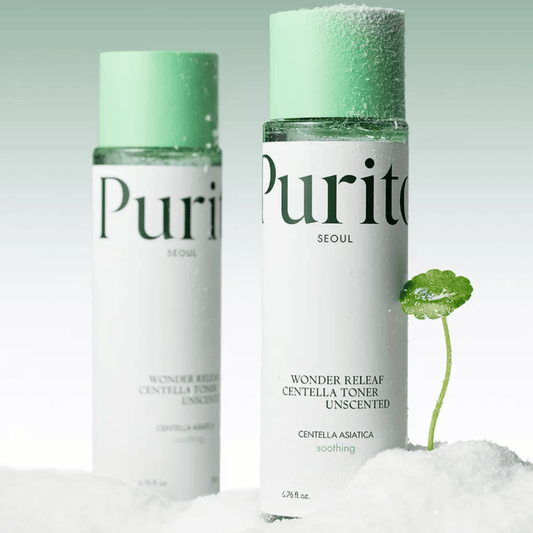
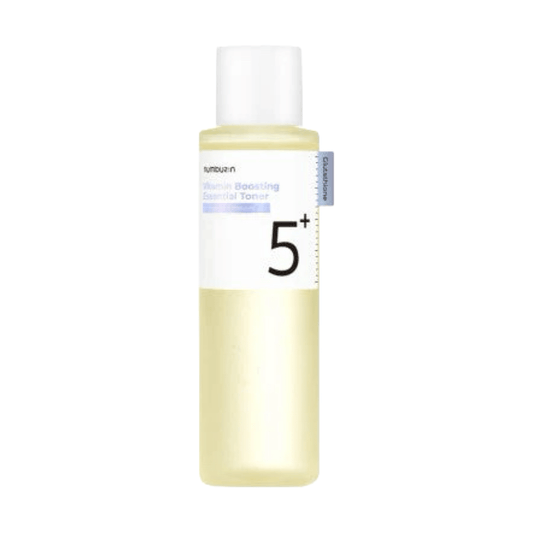
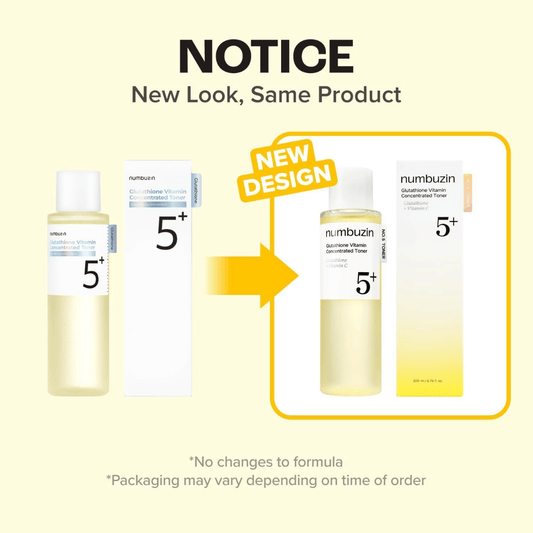
Find Korean toners for dry skin in the range below -- hydrating, plumping formulas that build the moisture foundation your routine depends on.