


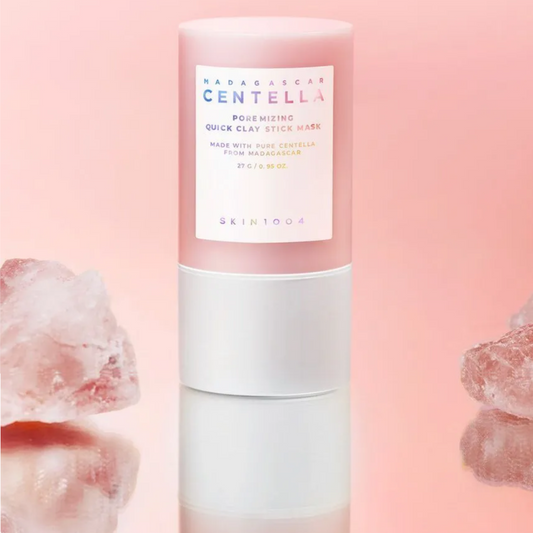


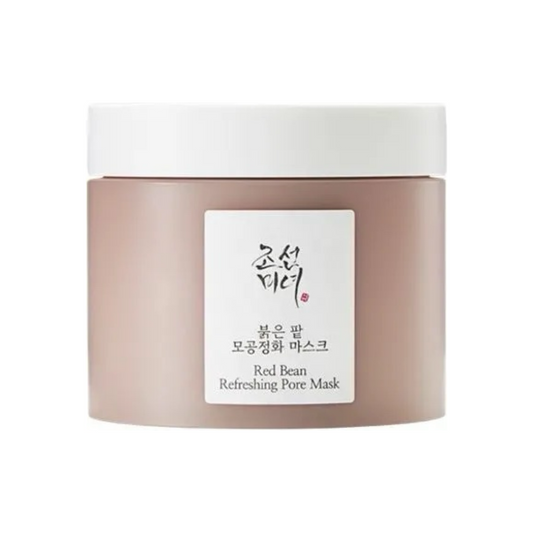
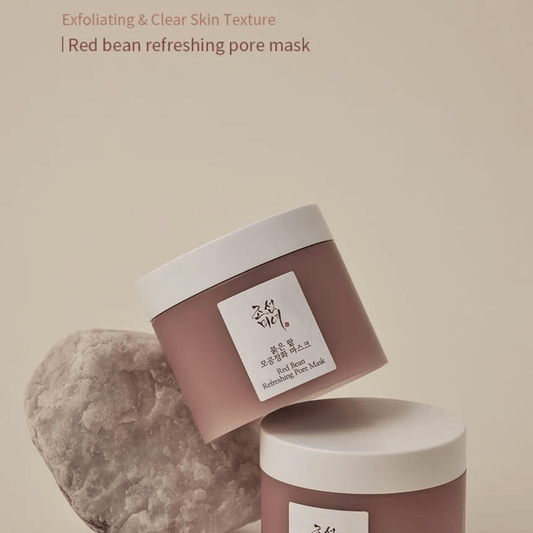




Masks sit in a different category from daily routine products because of how they work. A mask creates an occlusive environment -- either by sealing the skin surface physically (like a sheet mask) or by applying a thick layer that prevents active ingredients from evaporating before they can absorb. This extended contact time allows dry skin to take in a higher concentration of hydrating ingredients in one application than a quick-apply toner or serum can deliver.
Types of Korean Masks for Dry Skin
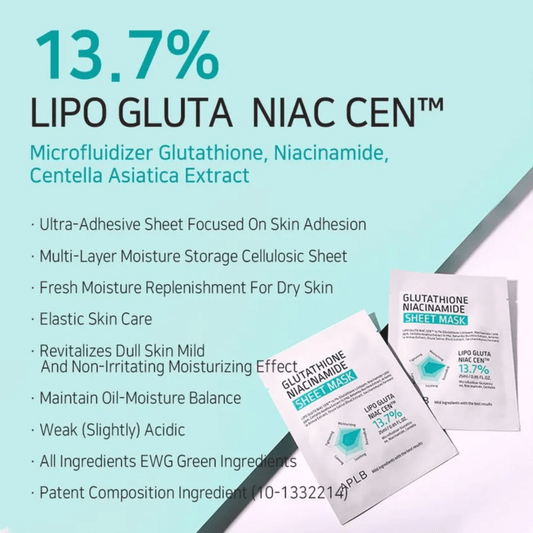
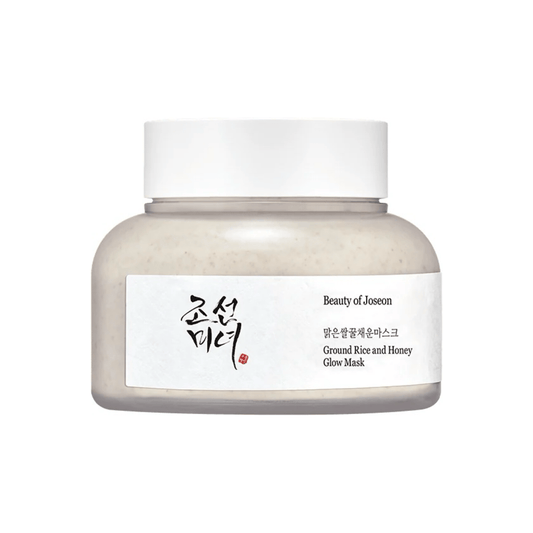
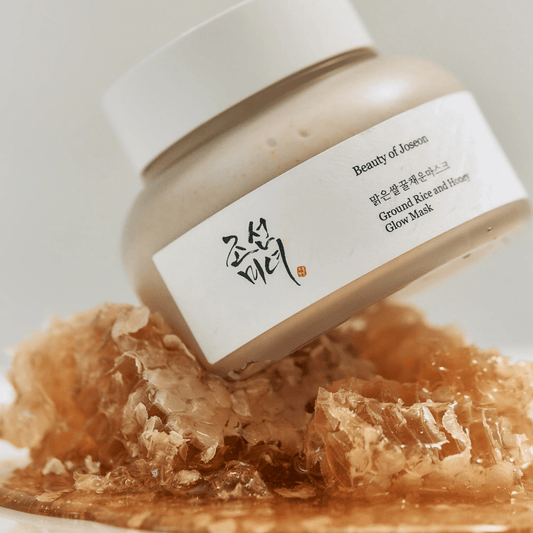
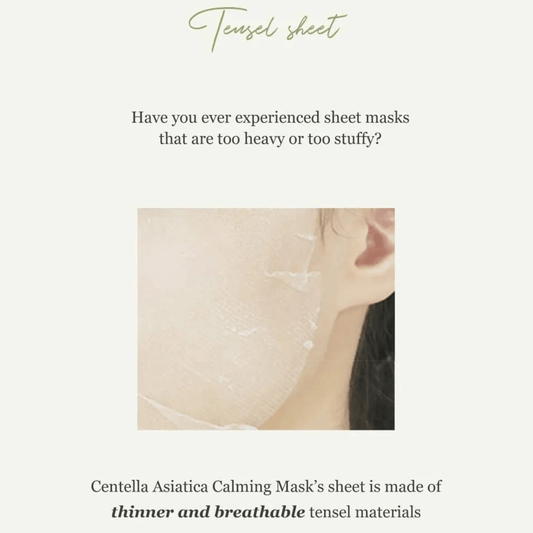
Korean masks for dry skin come in several distinct formats. Cream masks provide a rich, emollient layer that softens while hydrating. Sleeping masks (overnight masks) are applied as the final evening step and work through the night. Sheet masks -- the most iconic K-beauty format -- are pre-soaked fabric masks worn for 15-20 minutes. Hydrogel masks offer an intensive, cooling format suited to dehydrated dry skin. Rubber (modelling) masks set on the skin and are peeled off, delivering concentrated serum ingredients during wear.
- Cream masks: rich, emollient treatment for deep dryness
- Sleeping masks: overnight hydration and barrier sealing
- Sheet masks: 15-20 minute intensive treatment
- Hydrogel masks: cooling, intensive format for dehydrated skin
What Ingredients to Look For
Korean masks for dry skin typically feature hyaluronic acid, ceramides, beta glucan, centella, and nourishing oils at higher concentrations than daily products. Collagen in sheet masks provides surface plumping hydration. Fermented extracts in sleeping masks enhance the absorption of other ingredients. Shea butter and emollient-rich creams in wash-off masks deliver lipid nourishment that dry skin's barrier needs. The key is finding a mask whose formulation matches the specific nature of your dryness -- deep dehydration, barrier damage, or surface flaking all respond to different ingredients.
- Hyaluronic acid for water-retention focused hydration
- Ceramides for barrier structural repair
- Beta glucan for deep, sustained moisture
- Fermented extracts for radiance and absorption enhancement
How Often to Mask
For dry skin, two to three mask sessions per week provides meaningful hydration support without overdoing any single format. Sheet masks are generally safe for daily use at lower frequencies. Sleeping masks work well two to three nights a week, replacing the regular moisturiser on those evenings. Richer cream masks are best used two times weekly to avoid overloading the skin. On mask days, you can simplify the rest of the routine -- the mask provides the intensive treatment step.
- Sheet masks: up to three times weekly for dry skin
- Sleeping masks: two to three nights weekly as the final step
- Cream masks: twice weekly for intensive lipid nourishment
- On mask nights, simplify other steps as the mask carries the treatment
Best Type of Mask for Very Dry Skin
Very dry skin benefits most from sleeping masks, which have the longest contact time and work during the skin's natural overnight repair cycle. A sleeping mask applied over a well-built hydrating routine -- toner, essence, serum -- seals everything in and allows the combination of active layers to work undisturbed for six to eight hours. For immediate relief on a dry, uncomfortable day, a hydrogel sheet mask provides fast intensive hydration that shows in improved comfort and plumpness within twenty minutes.
- Sleeping masks: best for very dry skin needing overnight intensive care
- Apply over a full hydrating routine for maximum effect
- Hydrogel sheet masks for immediate daytime relief
- Do not leave sheet masks on until dry -- remove after 15-20 minutes
Explore the Korean masks for dry skin below -- sleeping packs, sheet masks, and cream treatments that deliver intensive hydration when daily products aren't enough.