
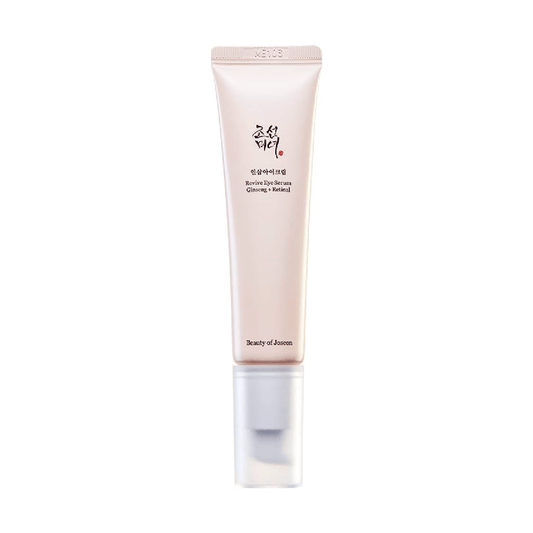
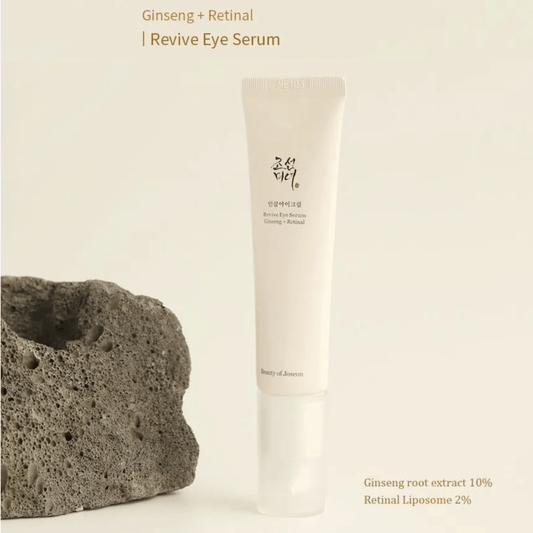
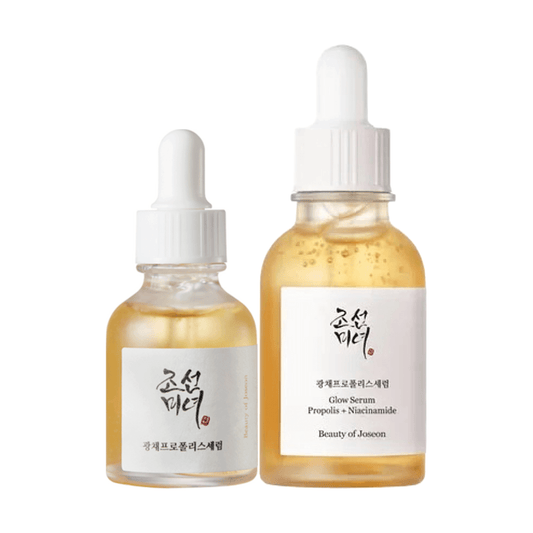
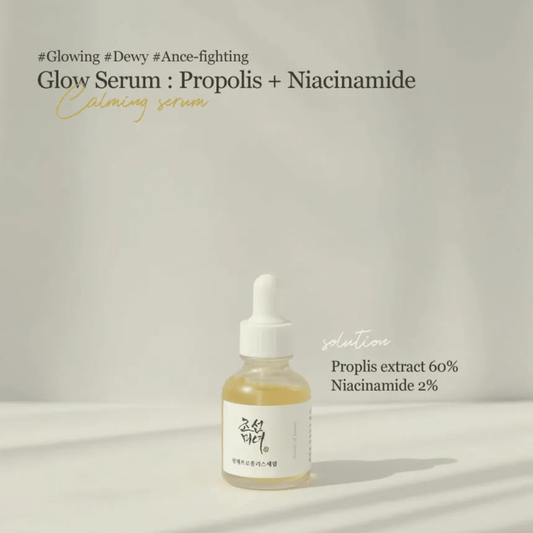
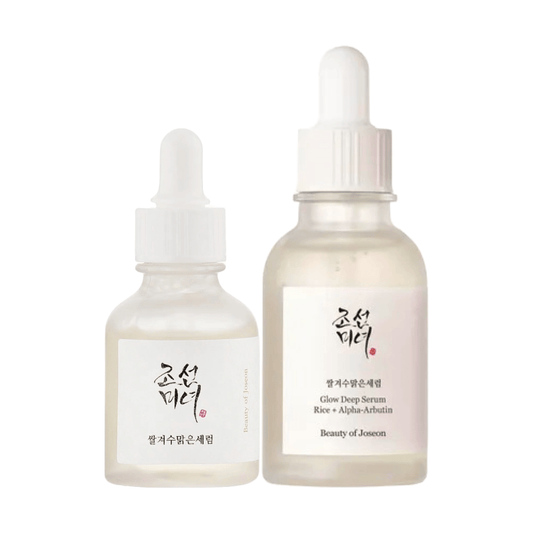
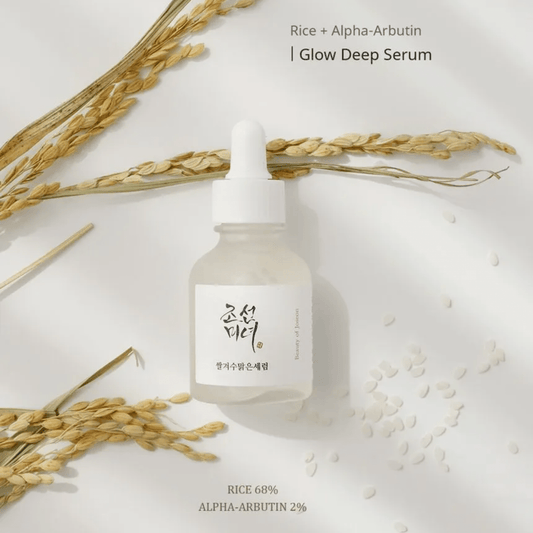

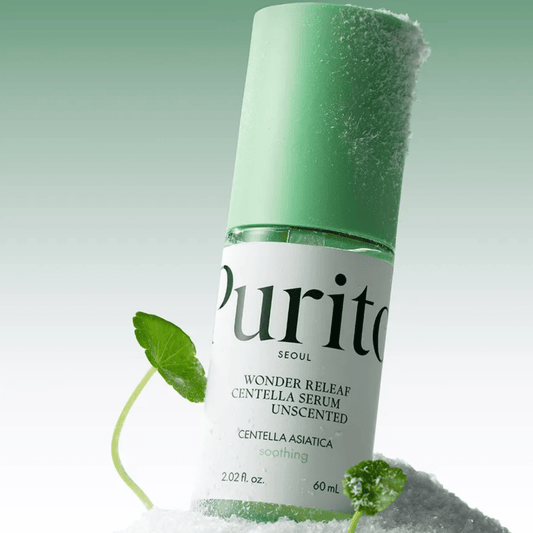
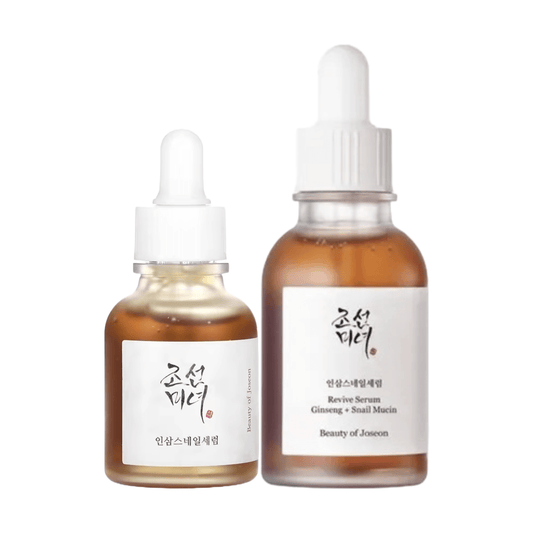
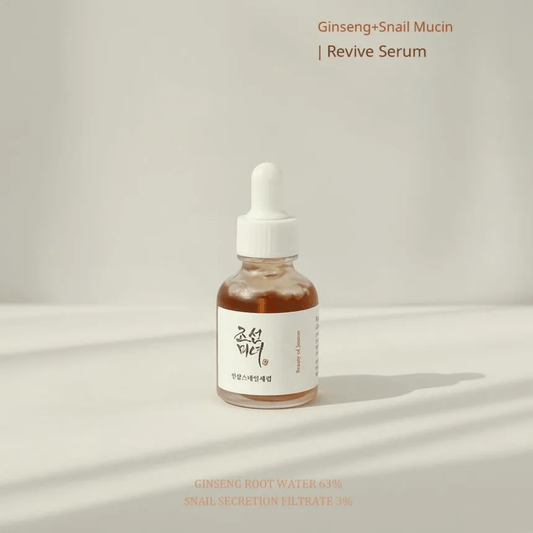

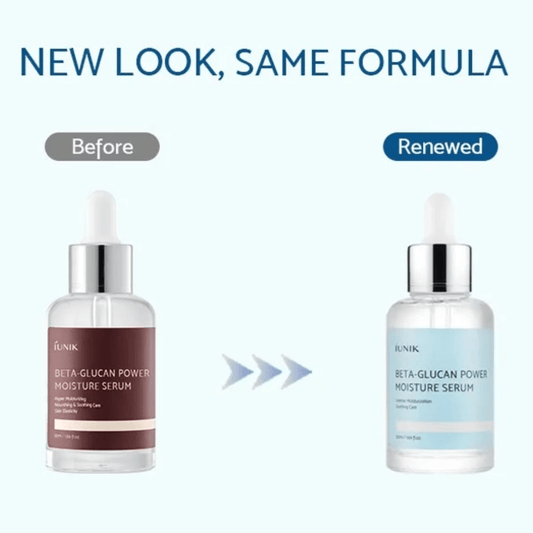

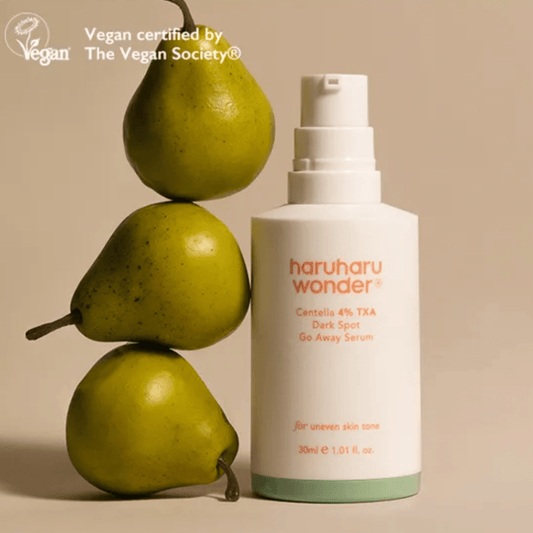

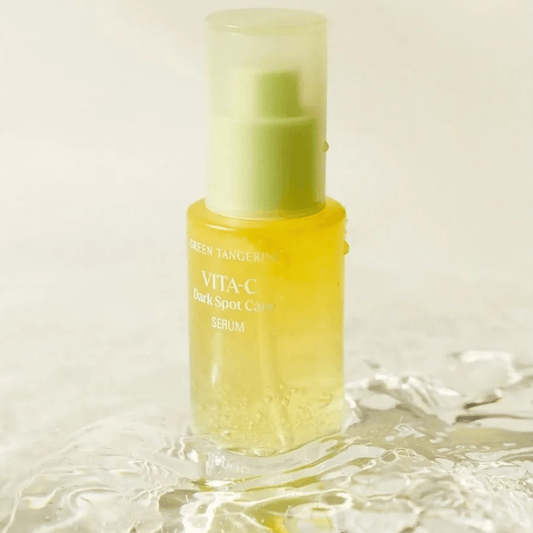

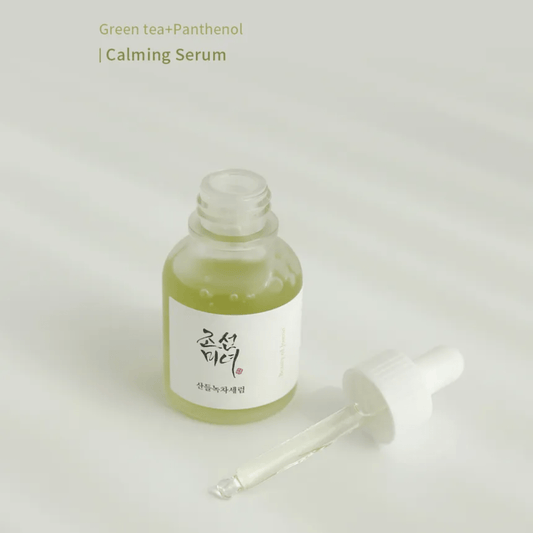

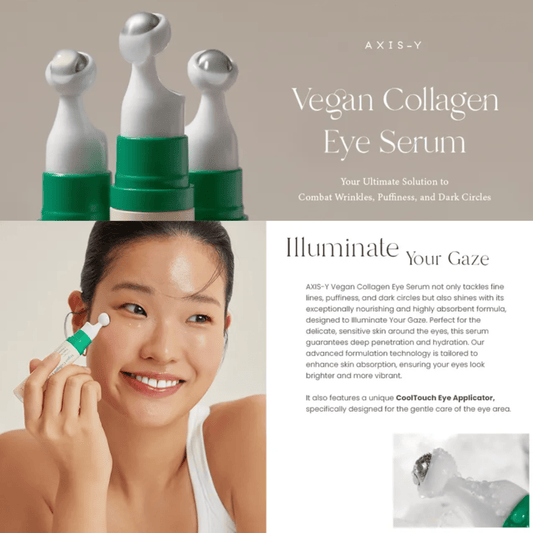

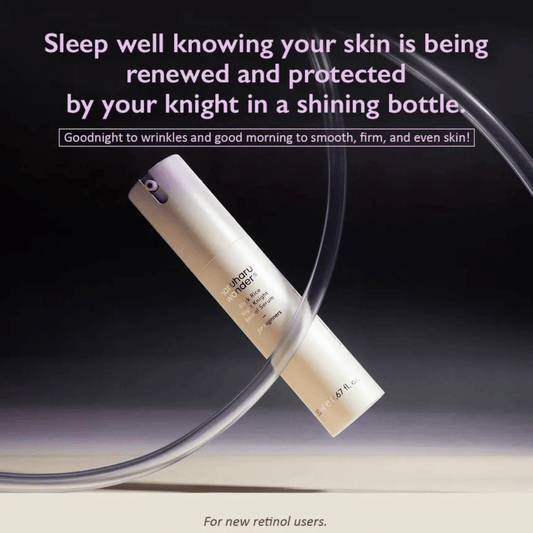

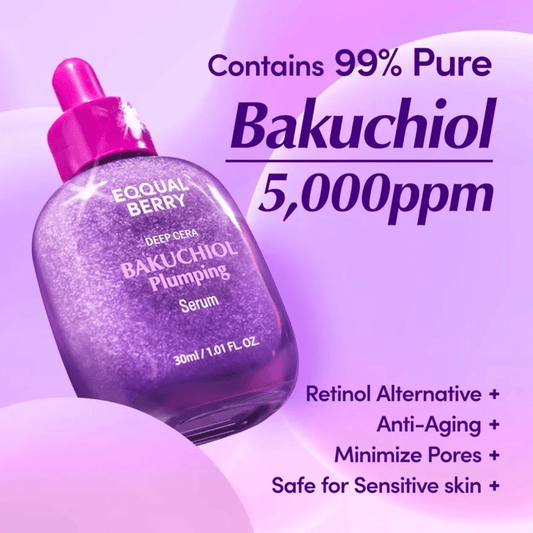


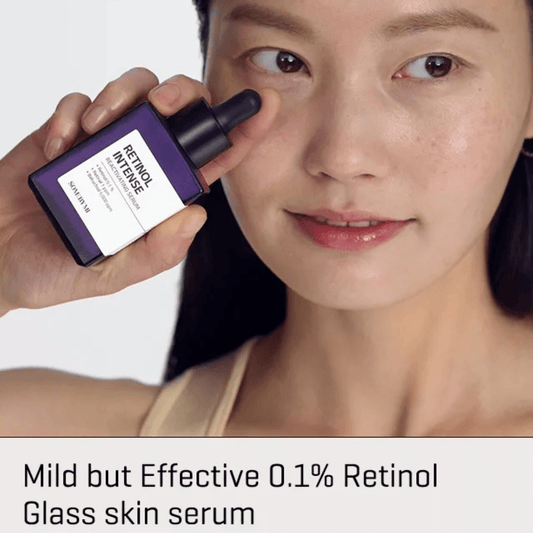


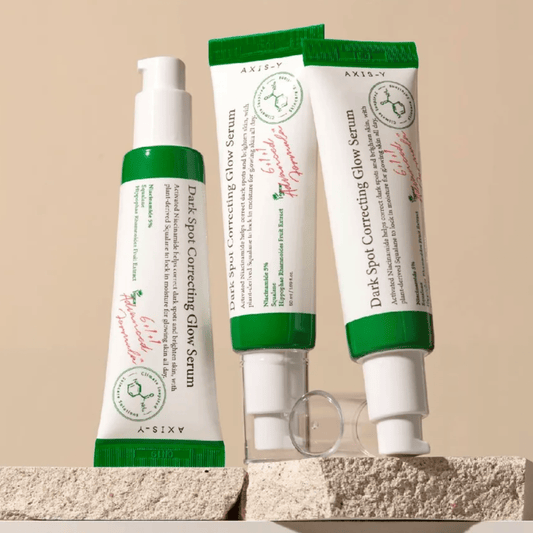
In a Korean dry skin routine, the serum step sits between essence and moisturiser -- after the base hydration layers have prepped the skin and before the cream seals everything in. This position matters for dry skin because a well-hydrated surface absorbs serums more effectively than a dry, compromised one. The Korean approach of building a hydration base first means serums can work at their intended concentration rather than being absorbed patchily by a depleted barrier.
What to Look for in a Korean Serum for Dry Skin
Korean serums for dry skin typically focus on hydration and barrier repair rather than aggressive treatment actives. The most effective ingredients include hyaluronic acid for water retention, ceramides for barrier reinforcement, centella for calming and repair, and niacinamide for its dual role in brightening and supporting the lipid barrier. Fermented extracts like galactomyces or saccharomyces enhance absorption and add a luminous quality to the complexion alongside their hydrating benefits.
- Hyaluronic acid -- core humectant for sustained water retention
- Ceramides -- reinforce the barrier alongside hydration
- Centella -- calms and repairs a dry, reactive barrier
- Niacinamide -- dual benefit of brightening and barrier support
How a Serum Differs from a Moisturiser for Dryness
Serums deliver actives in smaller molecules at higher concentrations than moisturisers, which means they reach deeper into the skin. A moisturiser provides an emollient and occlusive layer that seals and protects the surface. For dry skin, both are needed: the serum addresses the moisture deficit within the upper layers, while the moisturiser prevents that moisture from evaporating. Skipping either step leaves the routine incomplete for genuinely dry skin.
- Serums penetrate deeper with concentrated actives
- Moisturisers seal the surface and prevent moisture loss
- Both are needed for dry skin -- neither replaces the other
- Apply serum to damp skin for better absorption
Layering Multiple Serums
Korean dry skin routines sometimes layer two serums -- a hydrating serum and a targeted treatment serum -- to address multiple concerns at once. When layering, apply the thinnest, most watery texture first and allow it to absorb before the second. For very dry skin, a hyaluronic acid serum as the first layer under a centella or niacinamide serum gives both deep hydration and targeted benefit without overloading the routine.
- Apply thinnest serum first, thicker second
- Hyaluronic acid serum as the base layer works well for dryness
- Two serums maximum to avoid pilling or overloading
- Pat in rather than rubbing to maintain product integrity
When to Apply Serum
Serum goes on after toner and essence in both morning and evening routines. For dry skin, evening is the most important serum application, as the skin's repair cycle overnight means actives have more time to work undisturbed. Morning serums should be compatible with the sunscreen applied afterwards -- most hydrating serums have no interaction concerns. Some treatment serums (retinol, strong AHAs) are evening-only and should not be used in a dry skin morning routine.
- After toner and essence, before moisturiser
- Evening application maximises overnight repair activity
- Morning serums should work comfortably under SPF
- Evening-only actives (retinol, AHAs) not recommended for very dry skin
Explore the Korean serum range below to find the right active or hydrating formula for your dry skin routine.