
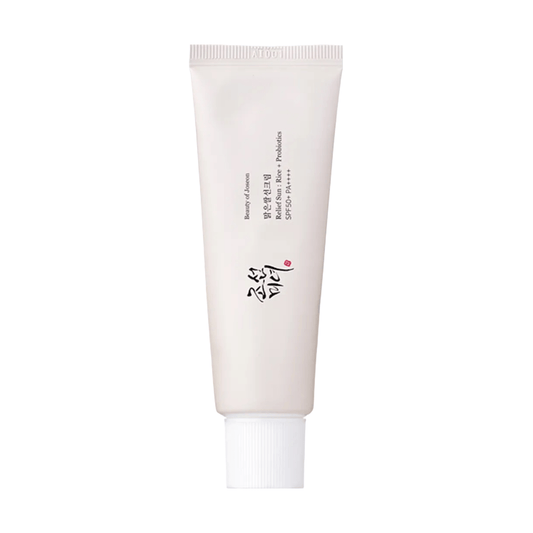
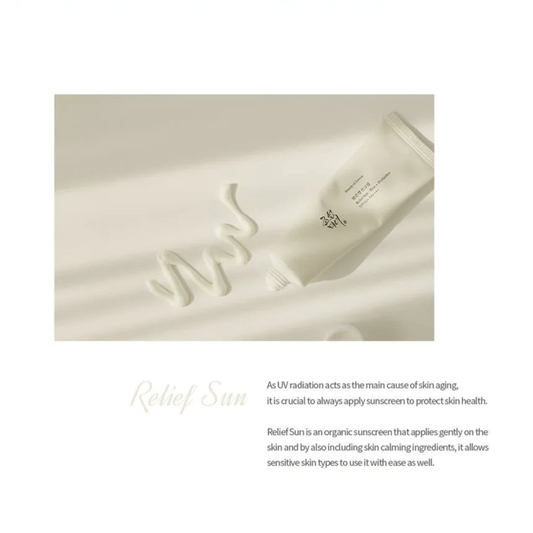

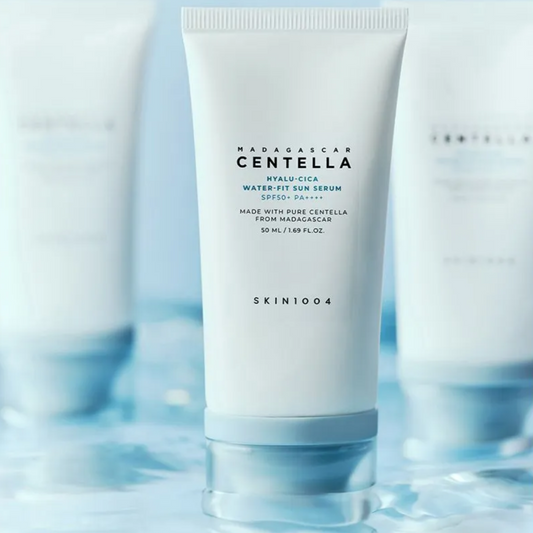
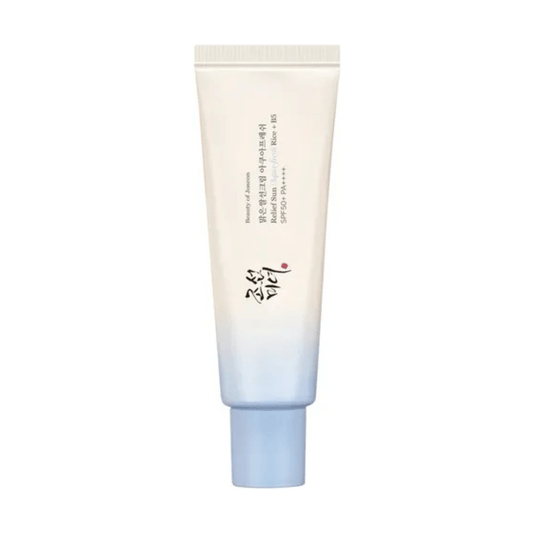
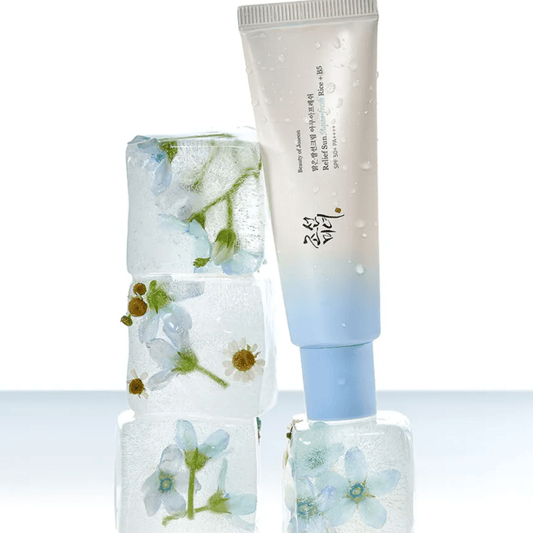
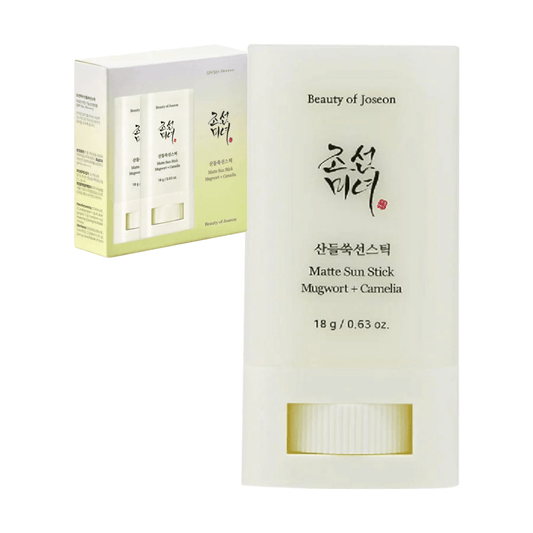
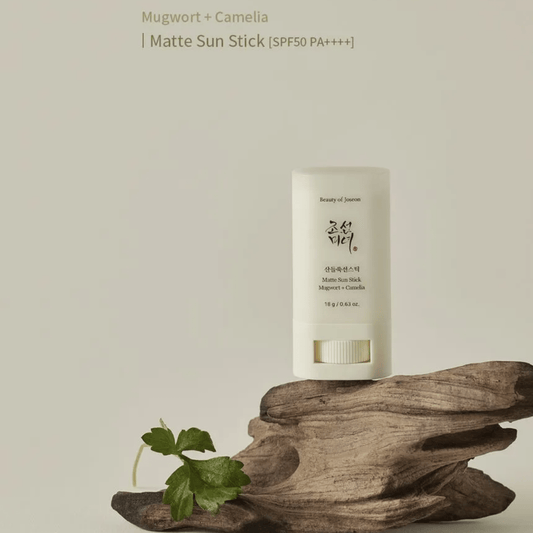

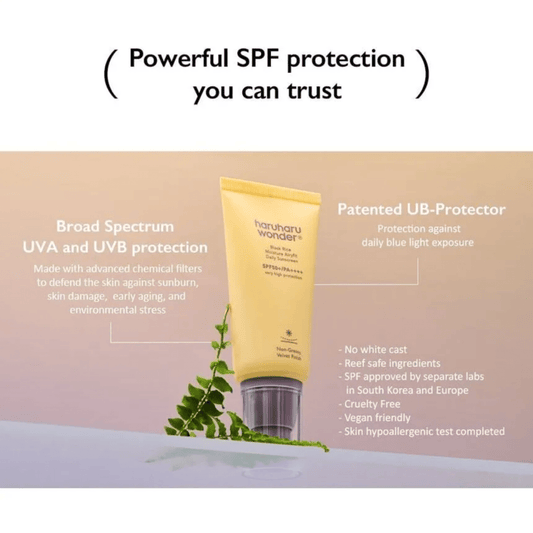
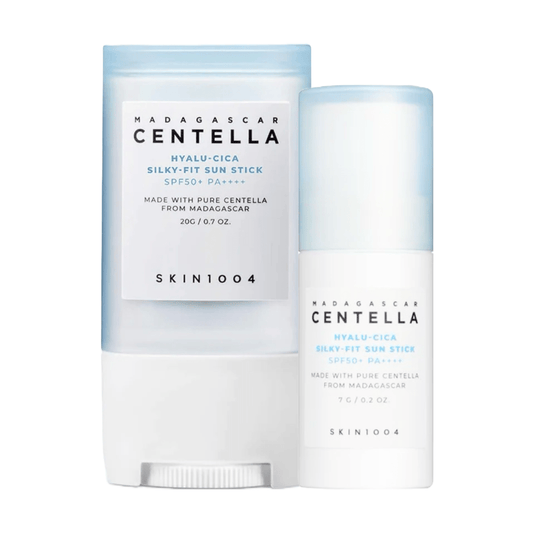
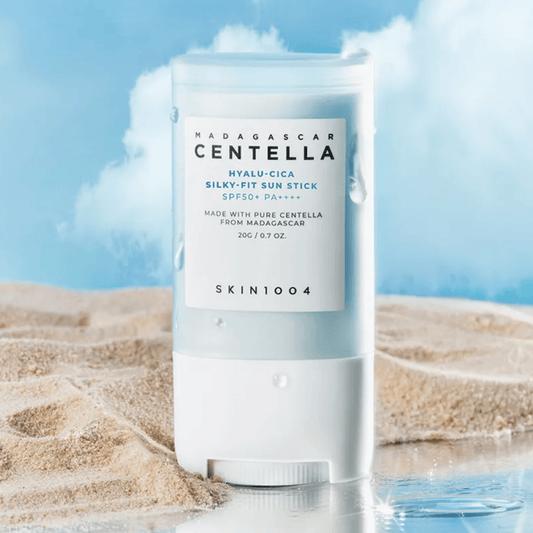

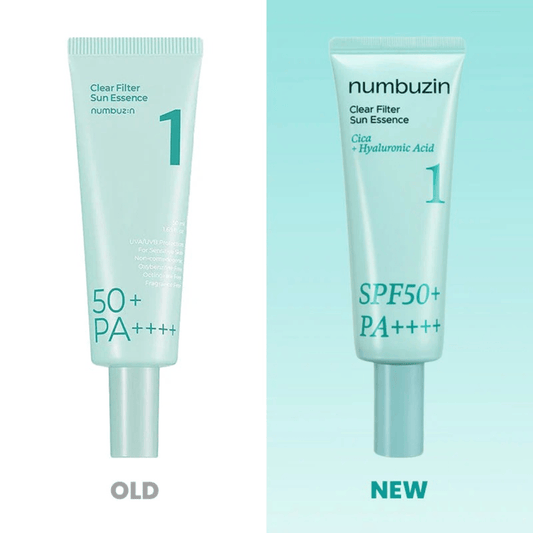

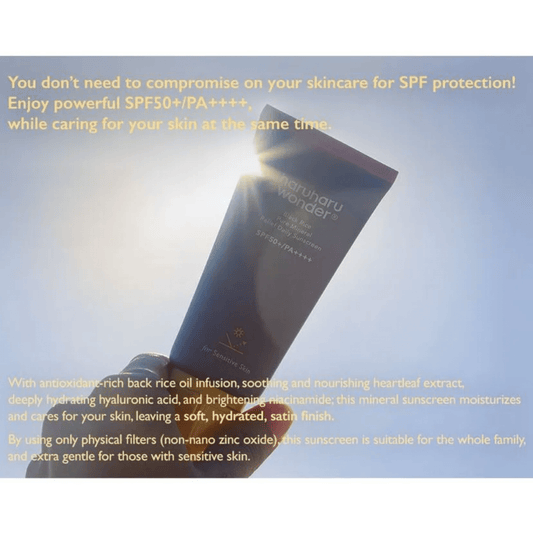

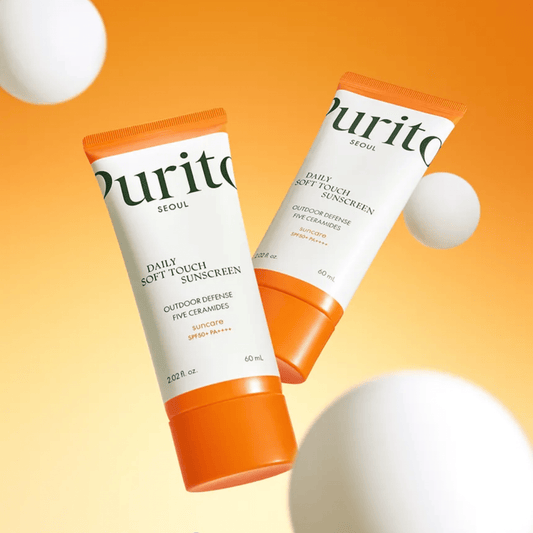

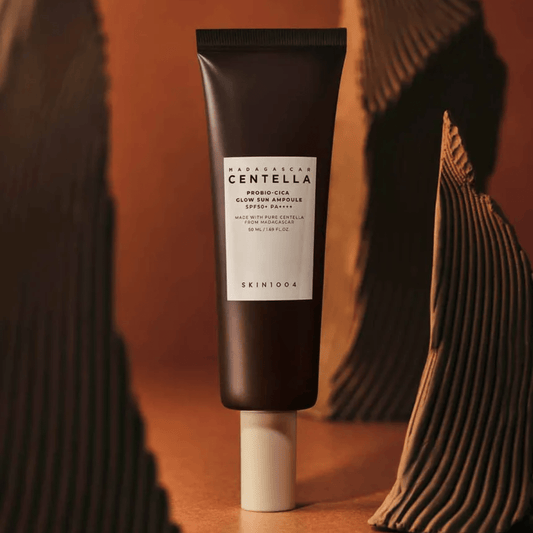

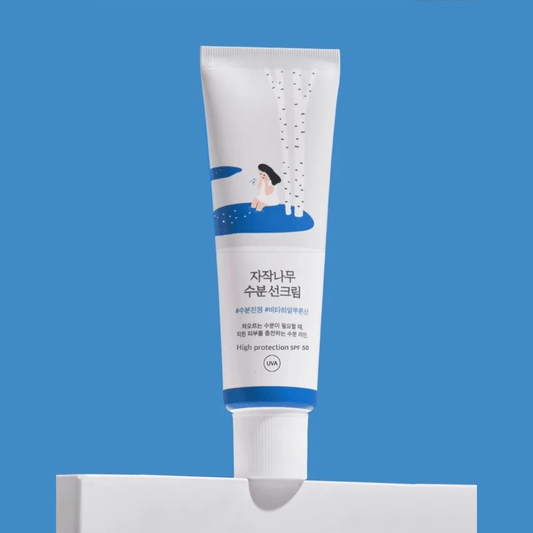

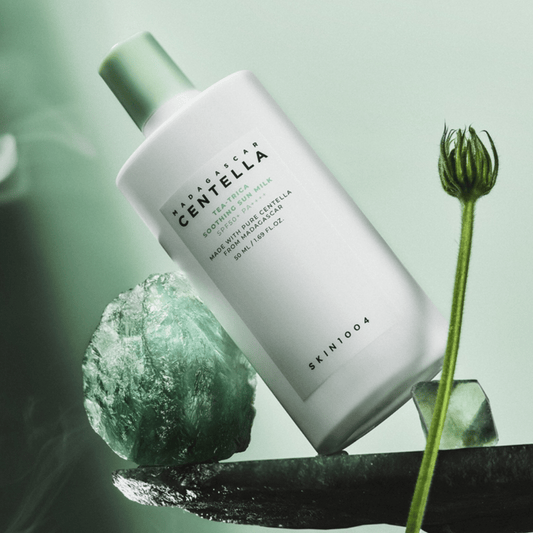

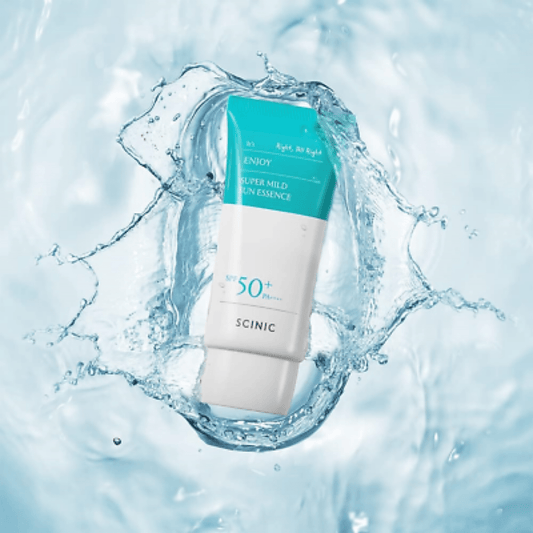

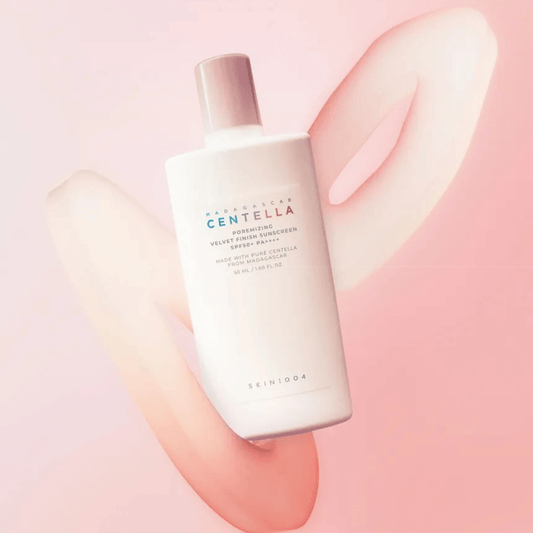

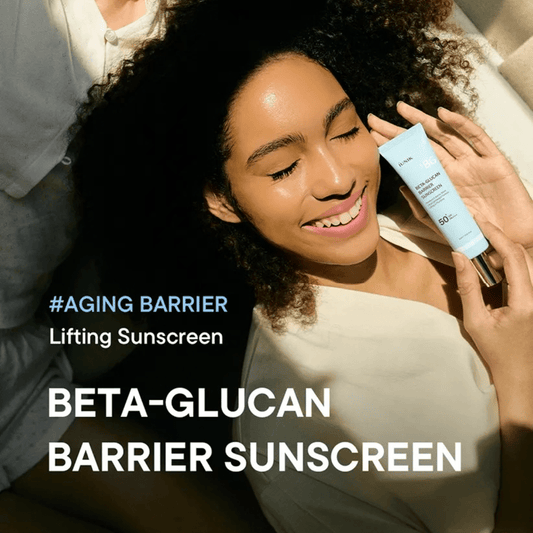

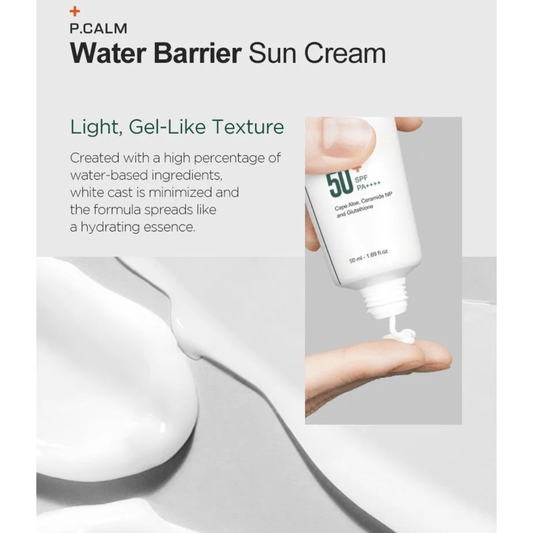
Korean Sunscreen for Sensitive Skin is one of the most important product categories for reactive skin. Sun protection prevents UV damage that weakens the barrier, triggers inflammation, and worsens pigmentation. Korean sunscreens are formulated with elegant, lightweight textures and gentle ingredients that make daily SPF comfortable for sensitive skin rather than a chore.
Mineral vs Chemical Sunscreen for Sensitive Skin
Mineral (physical) sunscreens use zinc oxide and titanium dioxide to reflect UV rays from the skin surface. They are generally better tolerated by sensitive skin because the filters sit on top of the skin rather than absorbing into it. Chemical sunscreens use organic filters that absorb UV energy and convert it to heat. Some chemical filters like oxybenzone and octinoxate can irritate sensitive skin, though newer filters like Tinosorb S and Uvinul A Plus are better tolerated. For very reactive skin, mineral sunscreen with zinc oxide is usually the safest choice. Zinc oxide also has inherent calming properties that benefit sensitive skin.
- Mineral: zinc oxide and titanium dioxide reflect UV rays
- Chemical: organic filters absorb UV and convert to heat
- Mineral is generally better tolerated by sensitive skin
- Zinc oxide has calming properties alongside UV protection
Sunscreen Ingredients Safest for Sensitive Skin
Zinc oxide is the safest single sunscreen ingredient for sensitive skin. It provides broad-spectrum protection and calms the skin simultaneously. Titanium dioxide offers strong UVB protection and is well tolerated. Newer Korean formulations combine these mineral filters with gentle chemical filters for better cosmetic elegance without sacrificing safety. Calming additions like centella, panthenol, and niacinamide in the sunscreen base provide skincare benefits alongside sun protection. Avoid sunscreens with fragrance, alcohol denat., and known irritant chemical filters like oxybenzone.
- Zinc oxide: broad-spectrum protection with calming properties
- Titanium dioxide: strong UVB protection, well tolerated
- Korean hybrid formulas combine mineral and gentle chemical filters
- Avoid fragrance, alcohol, and oxybenzone in sunscreens
Can Sunscreen Irritate Sensitive Skin
Yes, if it contains irritating ingredients. Fragrance in sunscreen is a common trigger. Alcohol denat., used to create a lighter texture, can sting and dry sensitive skin. Some chemical UV filters cause contact dermatitis in reactive individuals. Heavy silicone-based formulas can trap heat and cause discomfort. Korean sunscreens for sensitive skin tend to avoid these issues by using fragrance-free, alcohol-free formulations with gentle filters and calming supporting ingredients. Testing a new sunscreen on a small facial area for a few days before full application is always recommended for sensitive skin.
- Fragrance in sunscreen is a common sensitive skin trigger
- Alcohol denat. stings and dries reactive skin
- Some chemical filters cause contact dermatitis
- Test on a small area for a few days before full use
How Korean Sunscreens Compare to Western Ones for Sensitive Skin
Korean sunscreens are generally lighter, more cosmetically elegant, and more comfortable for daily wear than Western equivalents at the same protection level. They use finer-milled mineral particles that reduce the white cast mineral sunscreens are known for. They are more likely to include skincare ingredients like centella, niacinamide, and hyaluronic acid in the formula. Korean sunscreen innovation is also faster, with new formulations and textures appearing regularly. For sensitive skin, this means more options, better textures, and formulations that treat the sunscreen step as skincare rather than just protection.
- Lighter and more elegant than Western equivalents
- Finer-milled minerals reduce white cast
- Skincare ingredients like centella and niacinamide included
- More options and faster innovation in sensitive skin SPF
Browse the collection above to find the Korean sunscreen that protects your sensitive skin comfortably every day.