

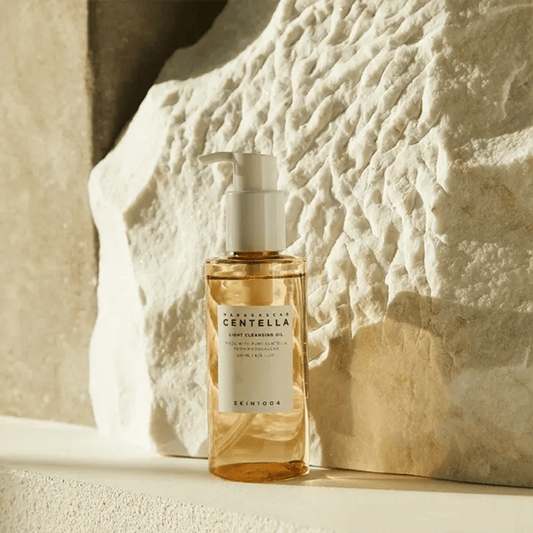

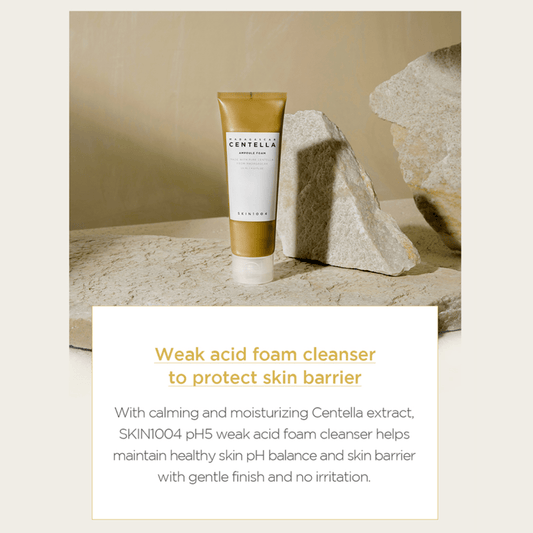
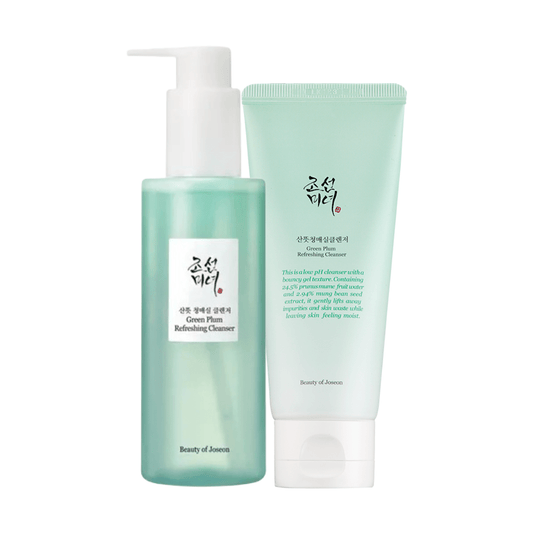


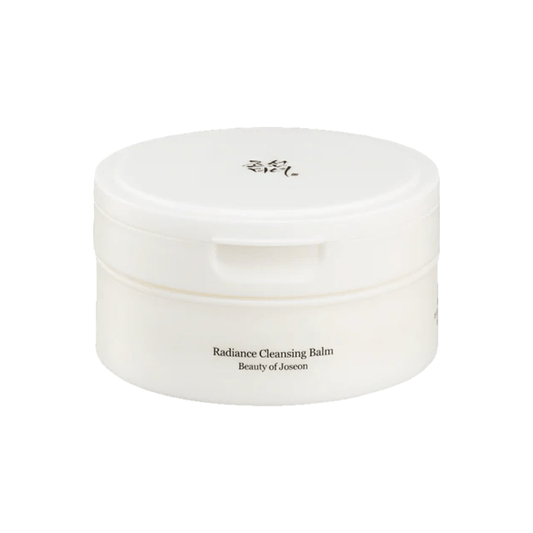
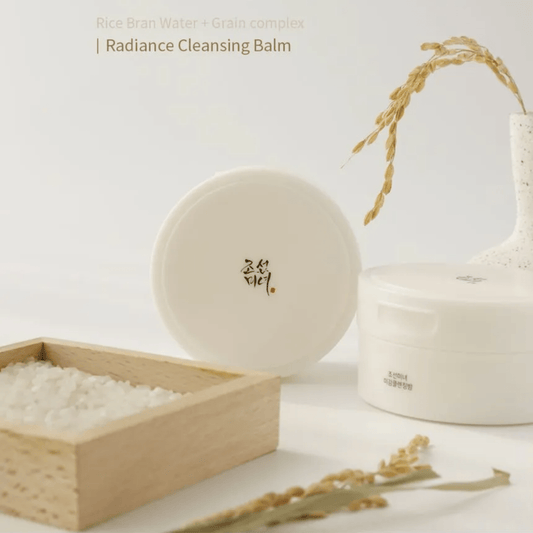

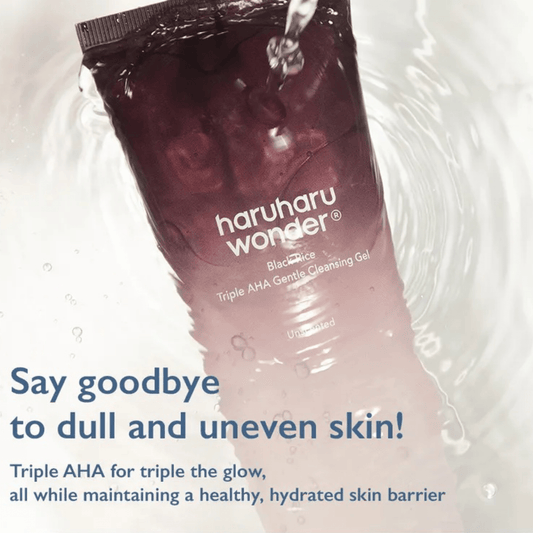

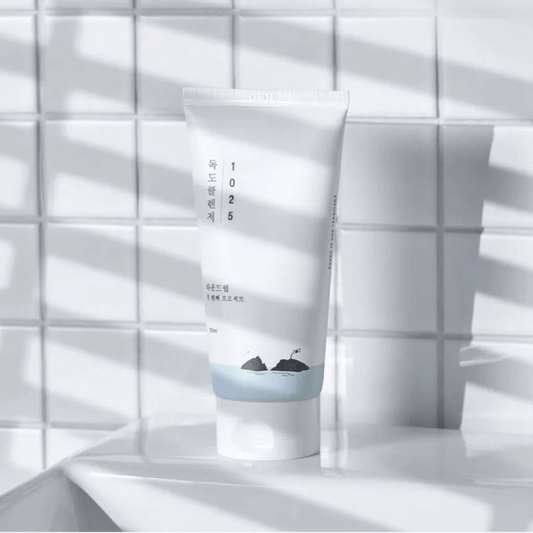

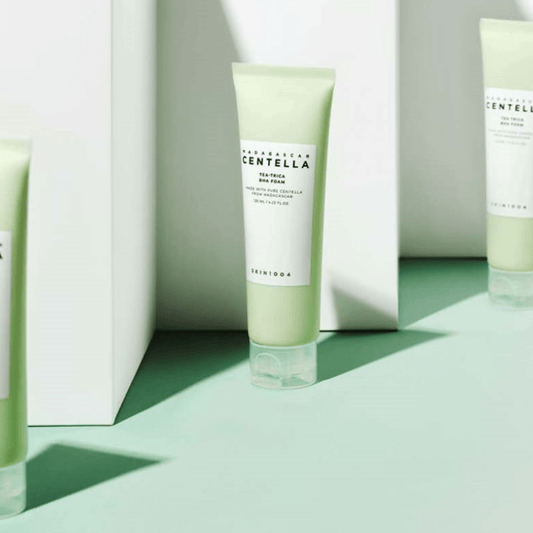

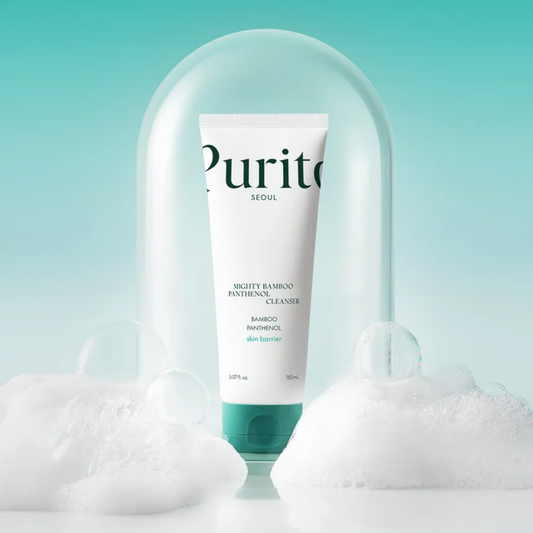
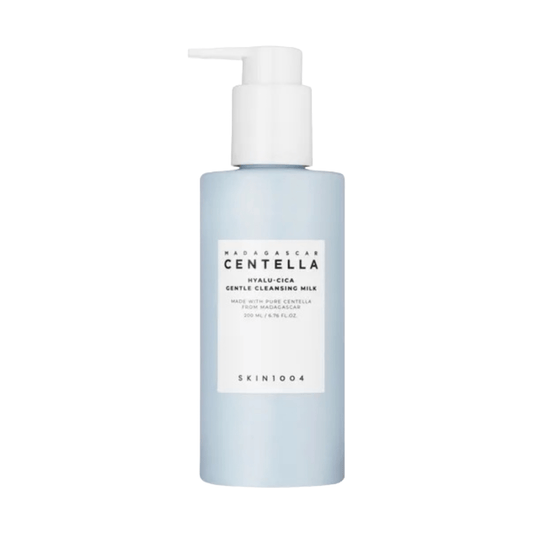
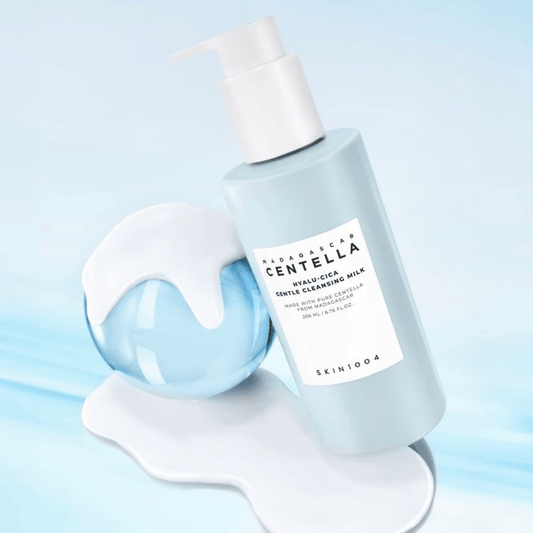

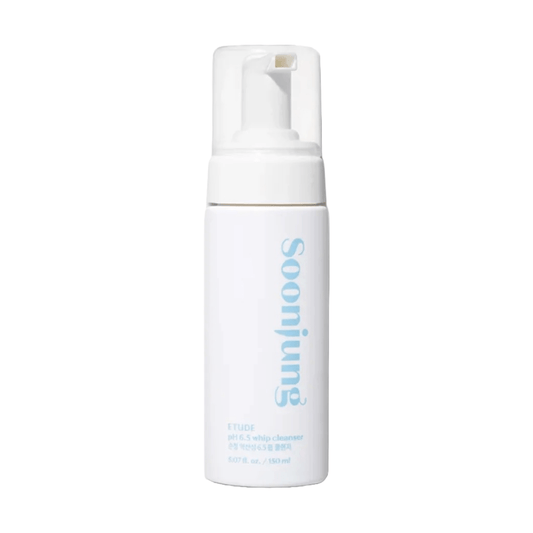

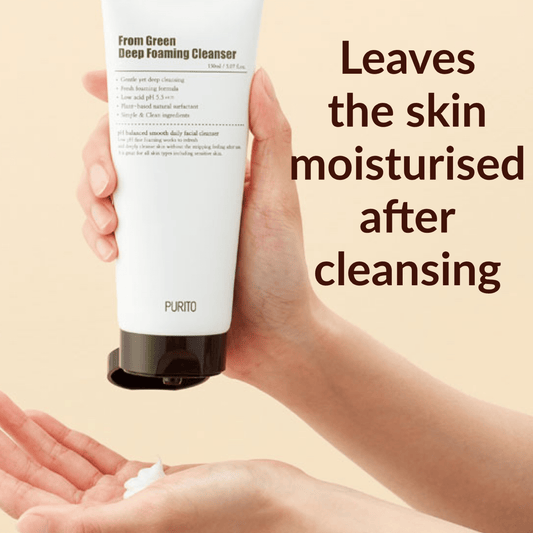

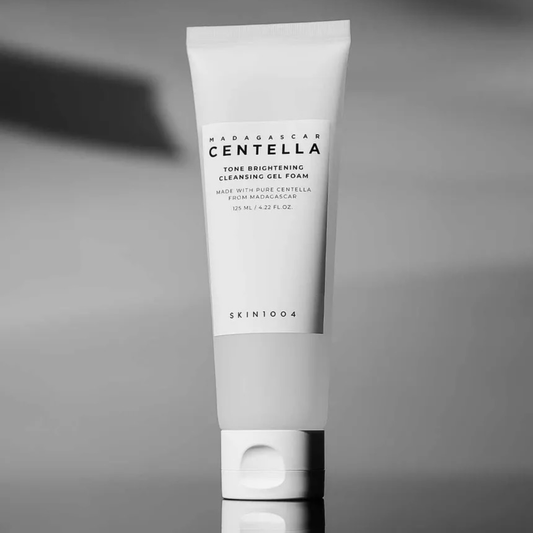

Korean Cleanser for Sensitive Skin is the most critical product decision in any sensitive skin routine. Cleansing happens twice a day at minimum, and every cleanse either protects or disrupts the barrier. Korean cleansers for reactive skin are engineered to do the former: removing daily buildup while leaving the acid mantle and lipid barrier intact and ready for what follows.
The Best Cleanser Type for Sensitive Skin
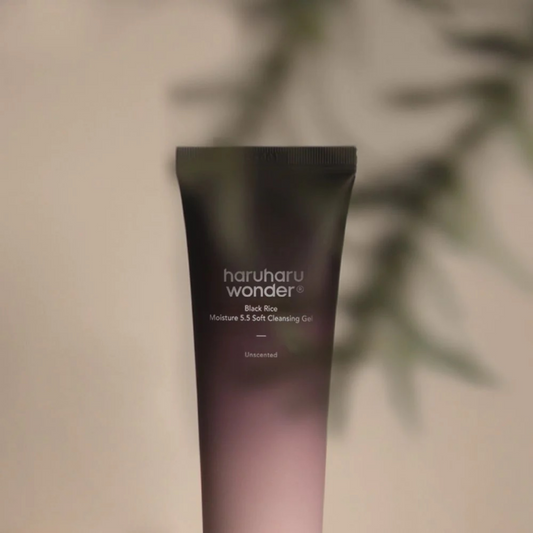
Cream and milk cleansers are the most comfortable for sensitive skin, their oil-based emollients provide moisturising support during cleansing, and their gentle surfactants do not strip the lipid layer. Gel cleansers at low pH (4.5-5.5) suit sensitive oily and combination skin, providing effective cleansing without disruption to the acid mantle. Foam cleansers are safe if formulated at low pH with gentle surfactants, high-pH foam cleansers are drying and disrupt the barrier immediately. Powder cleansers are a Korean format that allows customisable concentration, useful for sensitive skin that wants control over texture. Micellar water is suitable for very reactive skin that cannot tolerate any foaming at all.
- Cream and milk: most comfortable, moisturising during cleansing
- Low-pH gel: effective for sensitive oily skin
- Low-pH foam with gentle surfactants: safe when formulated correctly
- Micellar water: for very reactive skin or morning use
Cleansing Ingredients Sensitive Skin Should Avoid
High-pH surfactants like sodium lauryl sulphate disrupt the acid mantle and strip barrier lipids, a single wash leaves the skin temporarily more permeable to irritants. Fragrance in cleansers is a reliable irritation trigger, particularly for products that contact the entire face for even thirty seconds. Exfoliating acids in cleansers, AHAs, BHAs, are too brief in contact time to be effective but sufficient to cause tingling and irritation on reactive skin. Essential oils in natural cleansers are sensitising despite their plant origin. Alcohol denat. dries and disrupts the barrier immediately after cleansing.
- Sodium lauryl sulphate: disrupts acid mantle and strips lipids
- Fragrance in cleansers: face-wide irritation trigger
- AHAs/BHAs in cleansers: brief contact, full irritation risk
- Essential oils: sensitising regardless of plant origin
Should Sensitive Skin Double Cleanse
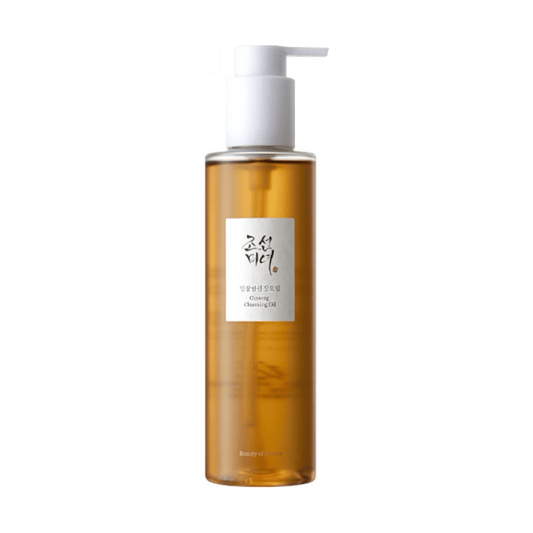
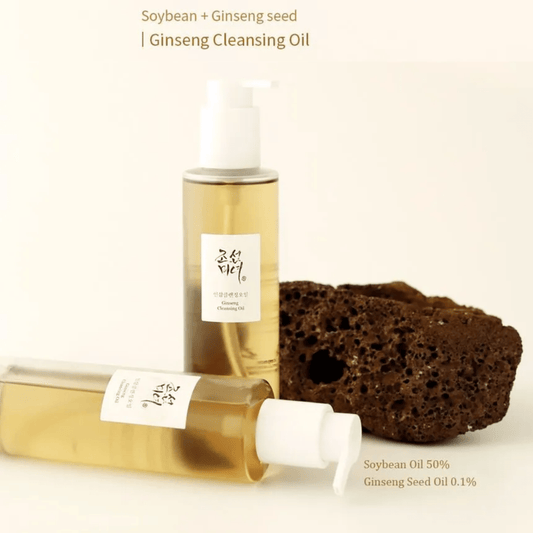
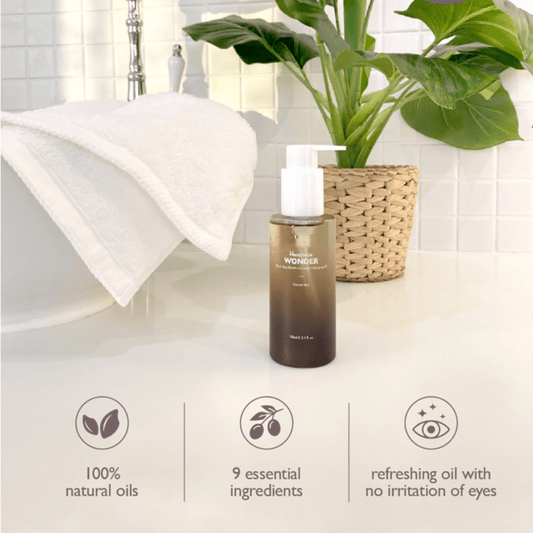
Yes, in the evening, with an important caveat. The first step should be a gentle oil cleanser or micellar water that dissolves sunscreen and makeup through oil-soluble action rather than friction or harsh surfactants. The second step is a cream or low-pH gel cleanser. This approach removes the full day's buildup more thoroughly than a single water-based cleanse, while the oil first step means the water-based cleanser does not need to work as hard, preserving the barrier. In the morning, a water rinse or single cream cleanser is sufficient, there is no sunscreen or heavy makeup to dissolve.
- Evening: oil or micellar first, cream or gel cleanser second
- Oil first means the water cleanser does less stripping work
- Morning: water rinse or single gentle cream cleanser
- Correct pH (4.5-5.5) more important than cleanser type
Find the Korean cleanser that protects your sensitive skin from the very first step in the collection above.