



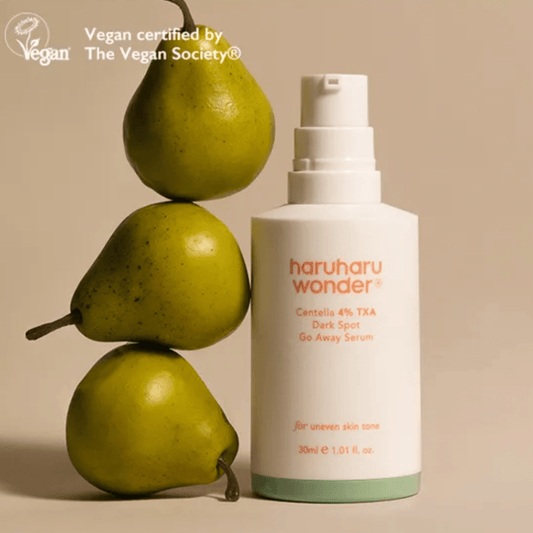


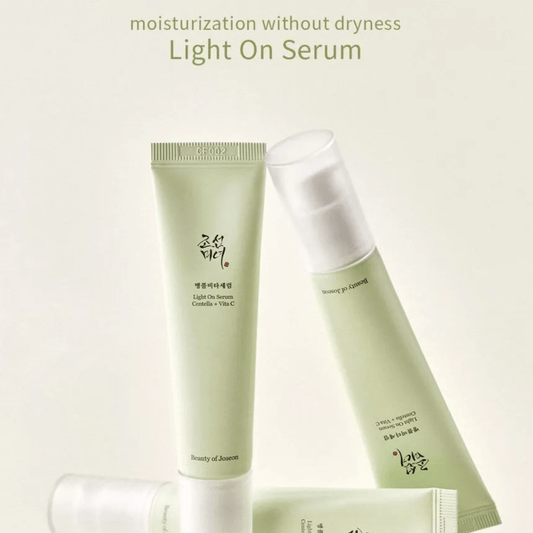

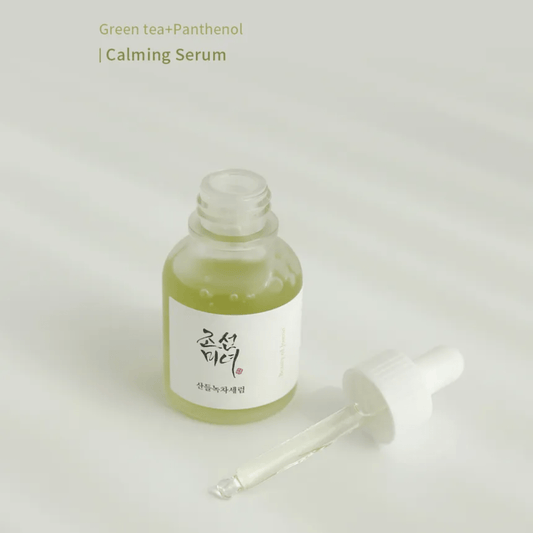








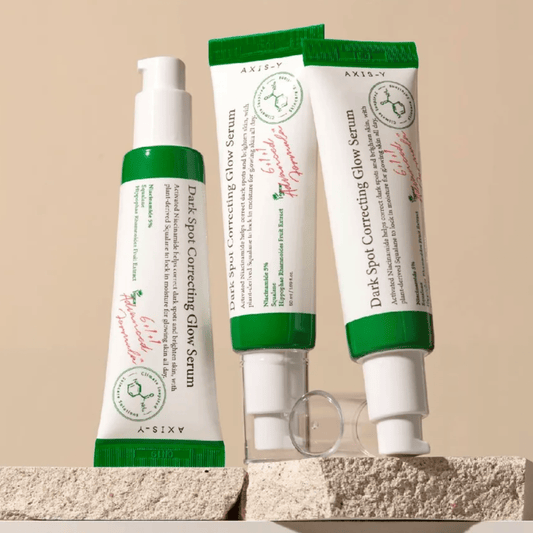
Korean Serum for Sensitive Skin is one of the most important product categories in a reactive skin routine. Serums deliver concentrated active ingredients in a lightweight, fast-absorbing format. For sensitive skin, the right serum provides targeted treatment without the heaviness, fragrance, or unnecessary ingredients that can trigger irritation.
Serum Ingredients Safest for Sensitive Skin
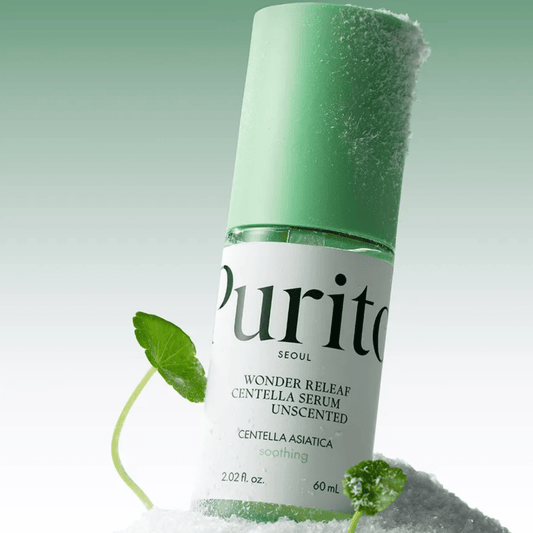
Centella asiatica in serum form delivers concentrated calming and barrier-repair benefits. Niacinamide at 2-5% strengthens the barrier, reduces redness, and evens tone in a single step. Hyaluronic acid serums provide deep hydration without any irritation risk. Panthenol serums soothe and moisturise reactive skin gently. Peptide serums support collagen production for those concerned with firmness and fine lines. The safest serums for sensitive skin are fragrance-free, alcohol-free, and have short ingredient lists that avoid common triggers like essential oils and high-concentration acids.
- Centella: concentrated calming and barrier repair
- Niacinamide 2-5%: barrier, redness, and tone in one step
- Hyaluronic acid: deep hydration with no irritation risk
- Panthenol: soothes and moisturises reactive skin
- Peptides: collagen support for firmness and fine lines
How Many Serums Should Sensitive Skin Use
One serum is usually enough for sensitive skin. Using multiple serums increases the total number of ingredients touching the skin, which raises the risk of irritation. If two serums are needed (for example, a hydrating serum and a treatment serum), use one in the morning and one in the evening rather than layering both at the same time. Introducing a new serum should always be done one at a time, with at least two weeks of consistent use before adding another product. This controlled approach makes it easy to identify if a particular serum causes any irritation.
- One serum at a time is safest for sensitive skin
- Two serums: split between morning and evening
- Wait two weeks before introducing a second serum
- Controlled introduction helps identify any irritation sources
Can the Wrong Serum Irritate Sensitive Skin
Yes. Serums are concentrated products, and the wrong active at the wrong concentration can cause significant irritation. High-concentration vitamin C (above 10%) can sting and cause redness. Retinol serums cause peeling and increased sensitivity during the adjustment period. Serums with essential oils or fragrance can trigger contact reactions. AHA and BHA serums at high concentrations strip the barrier. For sensitive skin, always choose serums with gentle, proven ingredients at appropriate concentrations. Patch-test every new serum on the inner arm before applying it to the face.
- Concentrated formulas mean higher risk if ingredients are wrong
- High vitamin C, retinol, and strong acids are common triggers
- Fragrance and essential oils in serums can cause contact reactions
- Patch-test every new serum on the inner arm first
Where Serum Goes in a Sensitive Skin Routine
Serum is applied after cleansing and toning, before moisturiser. The toner prepares and hydrates the skin so the serum absorbs evenly and comfortably. Apply a small amount (two to three drops for the face) and press it in gently with clean hands. Wait a minute for the serum to absorb before applying moisturiser. In the morning, the order is cleanser, toner, serum, moisturiser, SPF. In the evening, the order is cleanser, toner, serum, cream. Never apply serum as the last step, as it needs a moisturiser on top to seal its benefits and prevent evaporation.
- After cleansing and toning, before moisturiser
- Two to three drops pressed in gently with clean hands
- Wait a minute for absorption before applying moisturiser
- Never use serum as the last step, always seal with moisturiser
Browse the collection above to find the Korean serum that gives your sensitive skin the targeted care it needs.