




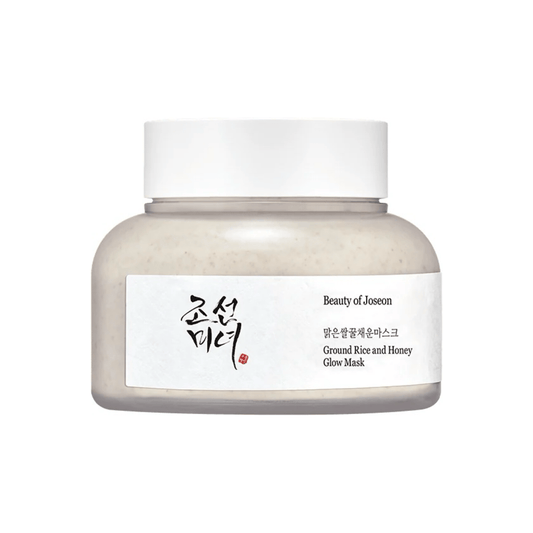
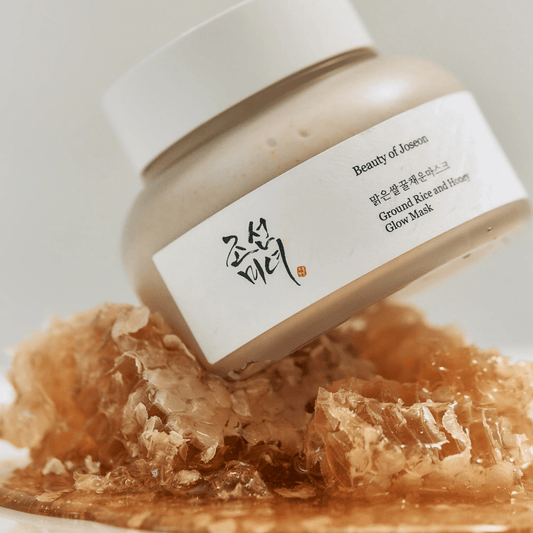


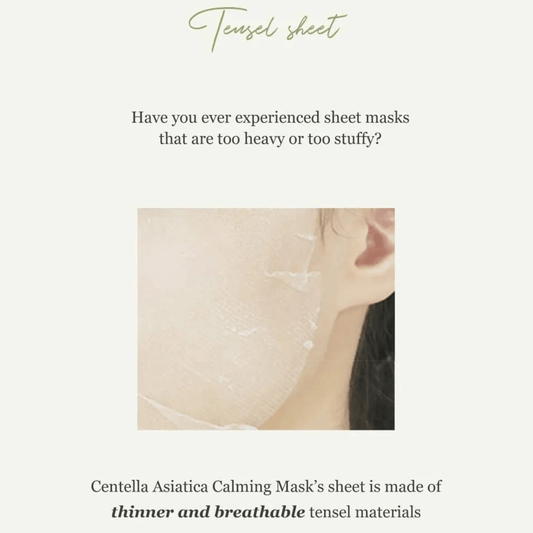


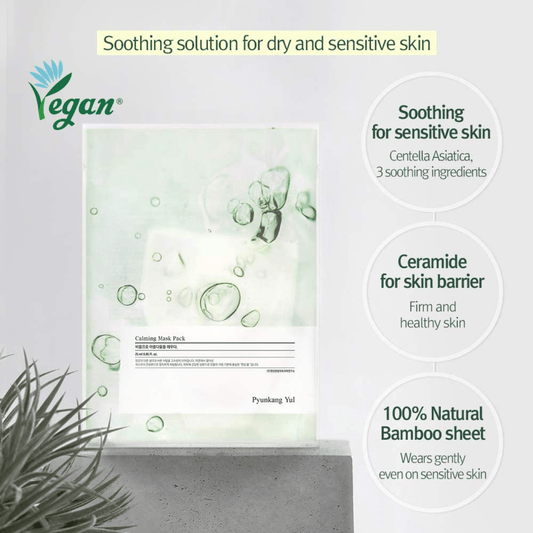
Korean Mask for Sensitive Skin is one of the most popular product categories in Korean beauty. Masks deliver concentrated doses of active ingredients to the skin over an extended application time. For sensitive skin, the right mask provides deep calming, hydrating, or barrier-supporting benefits. The wrong mask can overwhelm reactive skin with irritants. Choosing carefully is essential.
Mask Types Safest for Sensitive Skin
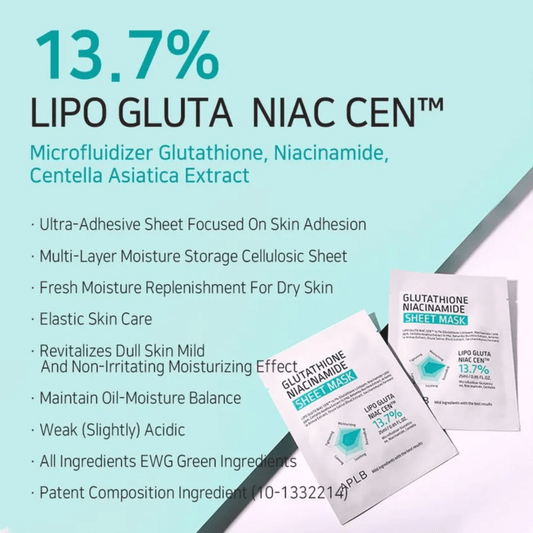
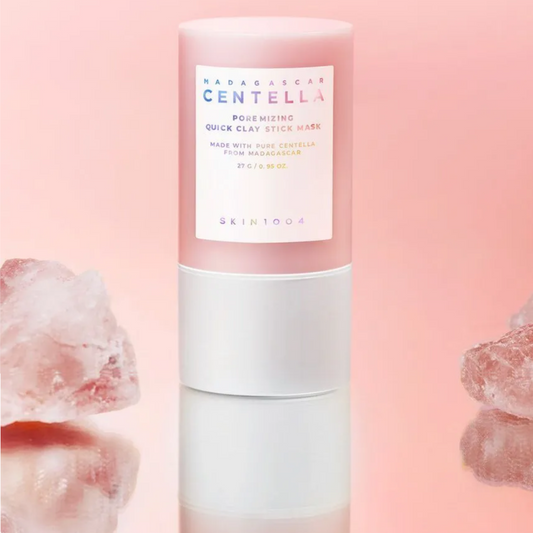
Hydrating gel masks are among the safest for sensitive skin. They deliver water-based moisture and calming ingredients without the friction of removal. Cream masks that are rinsed off with lukewarm water provide nourishment without the adhesive or preservative load of sheet masks. Sleeping masks are left on overnight, giving gentle ingredients extended time to work while the skin repairs itself. Sheet masks can work well for sensitive skin if they are fragrance-free and use calming essences. Wash-off clay masks should be used sparingly and only on the oiliest areas, not the whole face.
- Hydrating gel masks: water-based moisture, no friction
- Cream masks: nourishment rinsed off gently with water
- Sleeping masks: extended overnight treatment time
- Sheet masks: choose fragrance-free with calming essences
How Often Should Sensitive Skin Use a Mask
Once or twice a week is the ideal frequency for most sensitive skin. Hydrating and calming masks can be used twice a week without concern. Exfoliating or clay-based masks should be limited to once a week or less, and only on targeted areas. Using masks too frequently exposes sensitive skin to more ingredients and more extended contact time, which increases the cumulative irritation risk. During a flare-up, pause all masks and return to a simple cleanser-moisturiser routine until the skin settles. After a flare, a calming mask can be the first extra step reintroduced.
- Once or twice a week for hydrating and calming masks
- Once a week or less for exfoliating or clay masks
- Pause all masks during active flare-ups
- Calming mask is the first extra step to reintroduce after flares
Can Face Masks Irritate Sensitive Skin
Yes. The extended contact time of a mask means any irritating ingredient has more opportunity to cause a reaction. Fragranced sheet masks are a common trigger. Masks with alcohol denat. dry the skin during the application period. Harsh clay masks strip oil and moisture from the barrier. Peel-off masks create mechanical stress when removed. For sensitive skin, the safest approach is to use calming, fragrance-free masks that contain ingredients the skin already tolerates. If trying a new mask, test it on a small area of the jawline for five minutes before applying to the full face.
- Extended contact time increases irritation risk
- Fragranced sheet masks are a common trigger
- Alcohol and harsh clay strip the barrier during use
- Test new masks on a small jaw area for five minutes first
Mask Ingredients Sensitive Skin Should Avoid
Fragrance (synthetic and natural) is the most important ingredient to avoid in masks because the extended contact time amplifies any irritation it causes. Alcohol denat. dries the skin during the twenty-minute application period. Essential oils in masks are concentrated irritants with prolonged skin contact. High-concentration AHAs or BHAs in mask format are too intense for sensitive skin. Artificial colourants add unnecessary chemical exposure without benefit. The best masks for sensitive skin have short, clean ingredient lists with centella, hyaluronic acid, ceramides, panthenol, or aloe as the key actives.
- Fragrance: amplified by extended contact time
- Alcohol denat.: dries the skin during application
- Essential oils: concentrated irritants with prolonged contact
- Best masks: centella, HA, ceramides, panthenol, or aloe
Explore the collection above to find Korean masks that treat sensitive skin with gentle, concentrated care.