

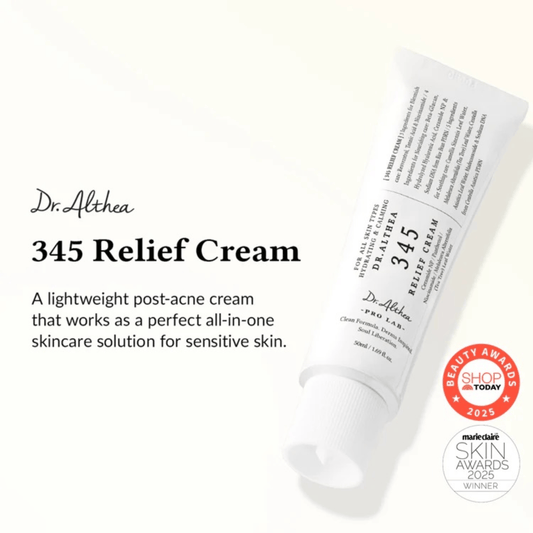
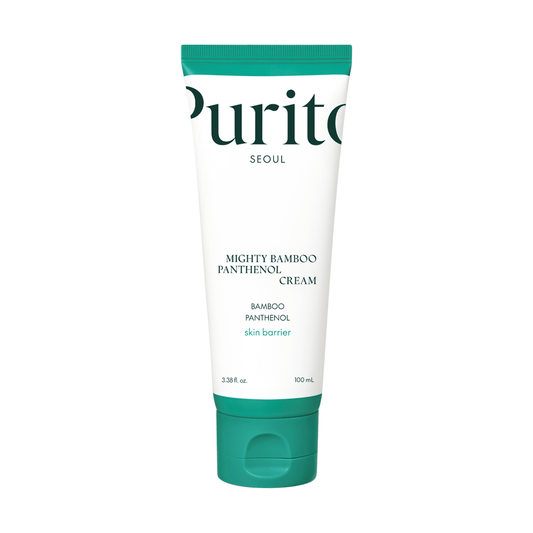
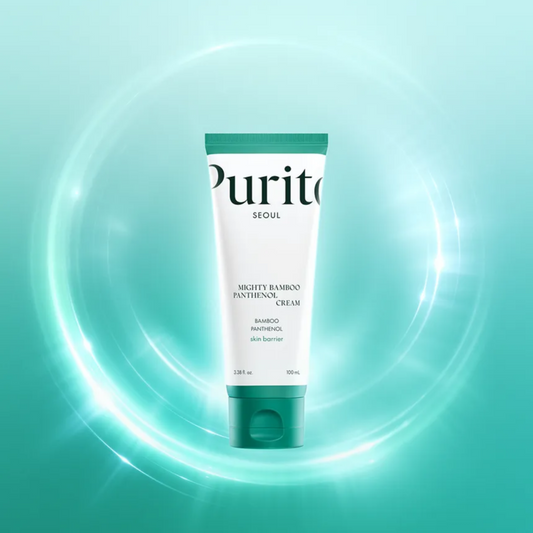

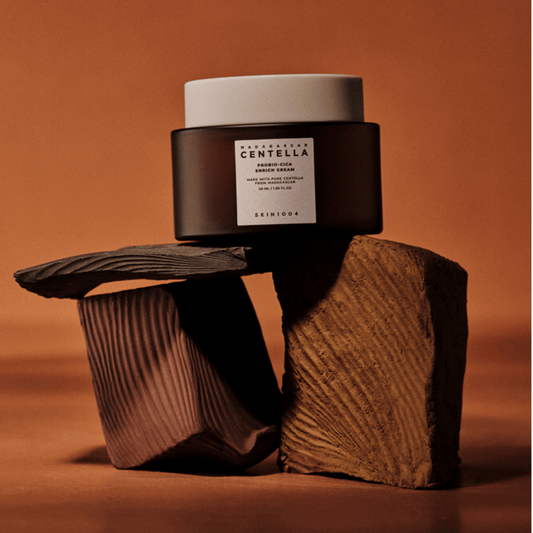
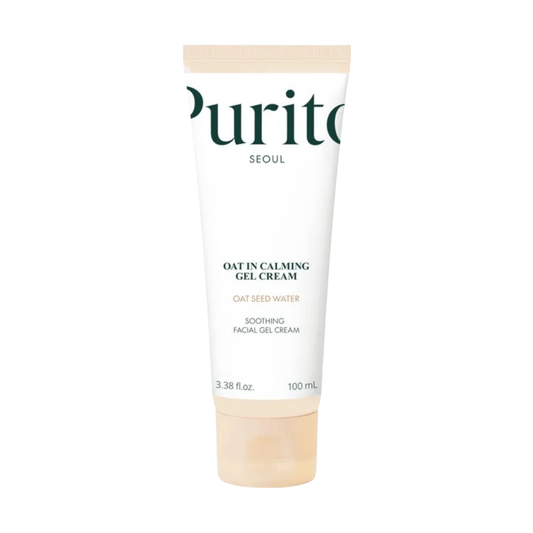
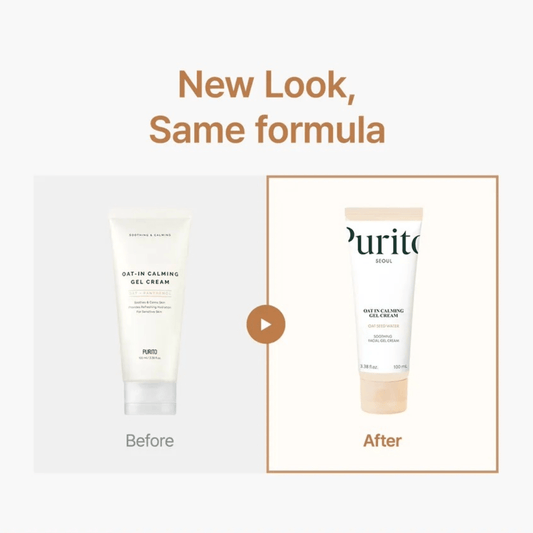
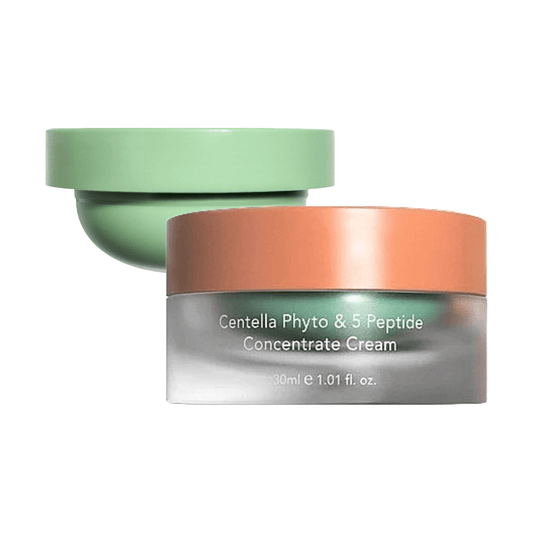
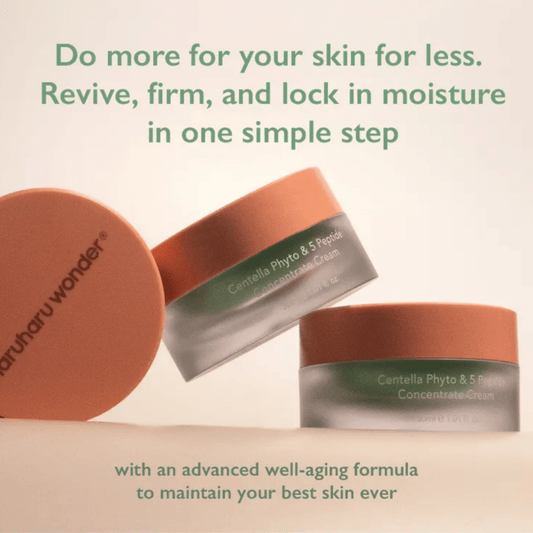
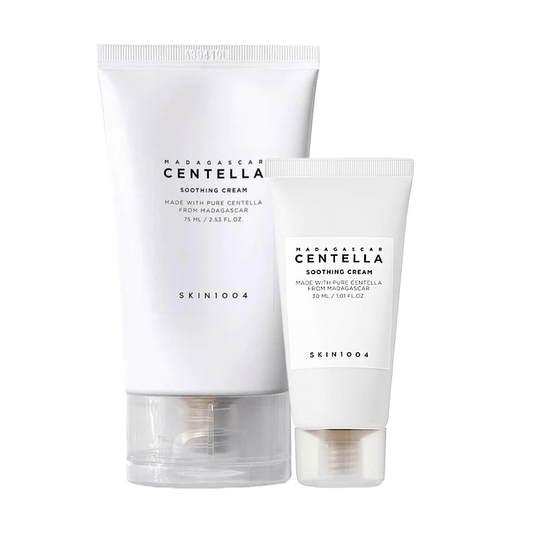
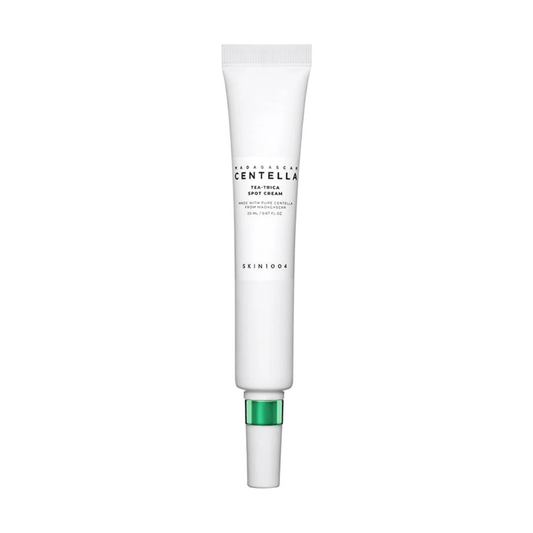

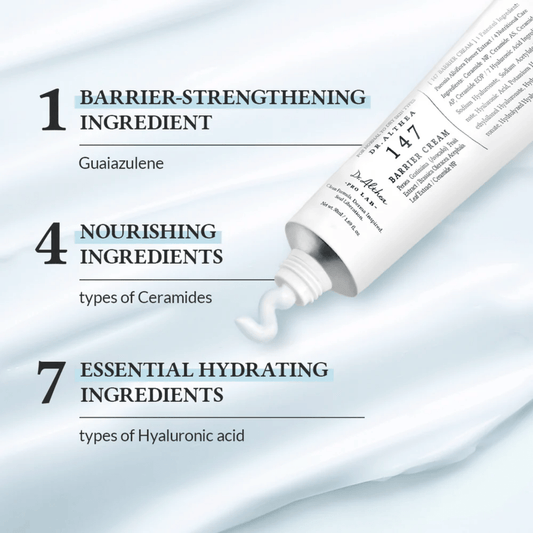

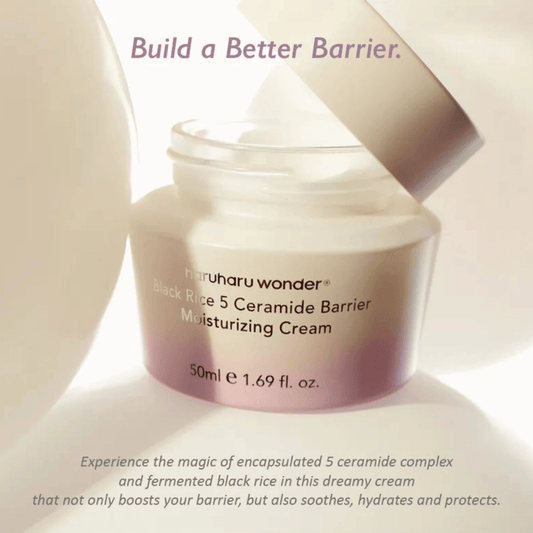

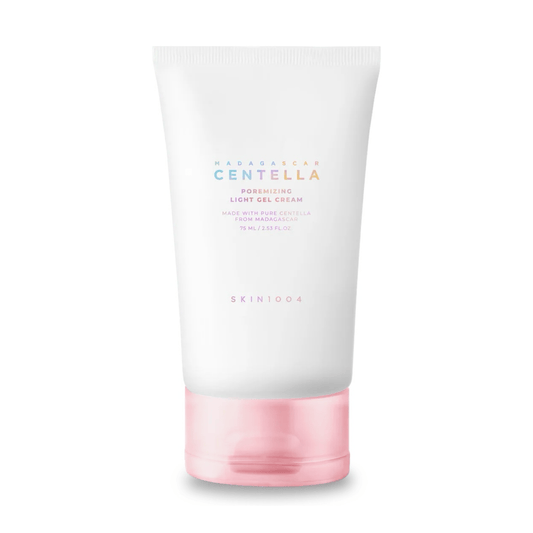
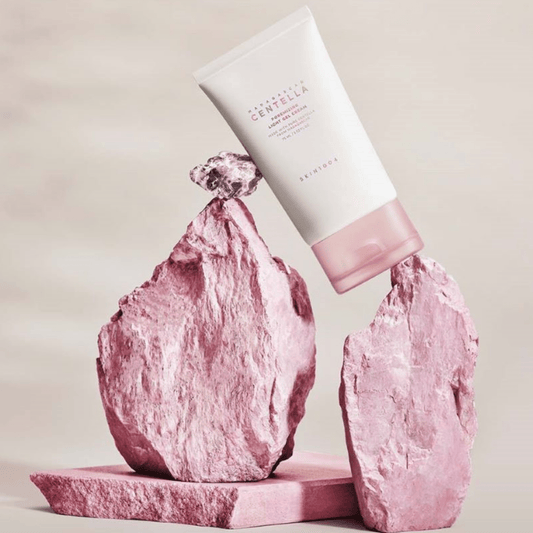


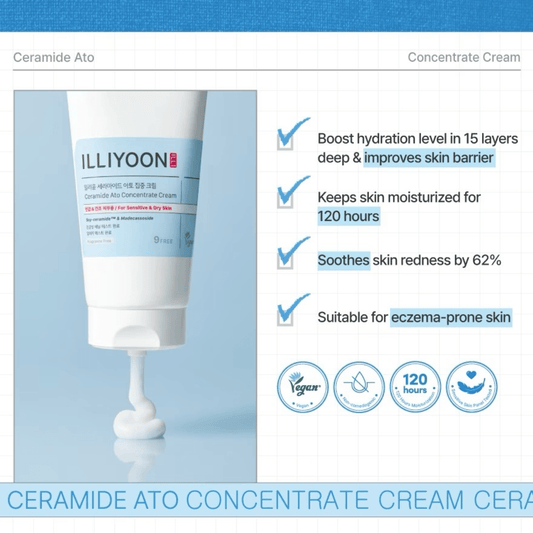
Korean Cream for Sensitive Skin is one of the most important product categories for reactive skin. A well-chosen cream provides the final protective layer in any routine, sealing in hydration, reinforcing the barrier, and shielding the skin from environmental irritants. Korean creams for sensitive skin tend to be formulated with shorter ingredient lists, no fragrance, and a focus on barrier-strengthening actives.
Cream Ingredients Safest for Sensitive Skin
Ceramides are the most important ingredient to look for in a sensitive skin cream. They directly replenish the lipid barrier, reducing water loss and keeping irritants out. Squalane provides a lightweight, non-comedogenic oil layer that smooths and protects. Panthenol soothes irritation while locking in moisture. Shea butter in small amounts adds emollient richness without heaviness. Centella asiatica calms any background inflammation while the cream does its protective work. The best Korean creams for sensitive skin combine two or three of these ingredients in a fragrance-free base with a minimal ingredient list.
- Ceramides: replenish the lipid barrier directly
- Squalane: lightweight protective oil layer
- Panthenol: soothes irritation while sealing moisture
- Shea butter: emollient comfort in small amounts
- Centella: calms inflammation within the cream
How Korean Creams Differ from Western Ones for Sensitive Skin
Korean creams for sensitive skin tend to prioritise function over fragrance and texture refinement. They are more likely to be fragrance-free, use fewer filler ingredients, and focus on barrier-supporting actives like ceramides and panthenol. Western creams often include fragranced masking agents, heavier textures, and marketing ingredients that add complexity without benefit. Korean creams also tend to be formulated at a skin-friendly pH, which supports the acid mantle rather than disrupting it. The result is a cream that feels less indulgent but is more functionally effective for reactive skin.
- Korean creams prioritise function over fragrance
- Fewer filler ingredients and more barrier-supporting actives
- Formulated at skin-friendly pH to support the acid mantle
- Less indulgent texture but more functionally effective
Should Sensitive Skin Use a Heavier or Lighter Cream
This depends on the skin's oil production and the season. Dry sensitive skin benefits from a richer cream with higher ceramide and shea butter content, especially in winter. Oily sensitive skin does better with a gel-cream or lightweight moisturiser that provides barrier protection without adding shine. Combination sensitive skin may need a lighter cream on the T-zone and a richer one on the cheeks. In summer, most sensitive skin types can use a lighter cream. In winter, stepping up to a richer formula prevents the barrier from weakening in cold, dry air.
- Dry sensitive skin: richer cream with ceramides and shea butter
- Oily sensitive skin: gel-cream or lightweight moisturiser
- Combination: lighter on T-zone, richer on cheeks
- Step up cream weight in winter, lighten in summer
When to Apply Cream in a Sensitive Skin Routine
Cream is the final skincare step before SPF in the morning and the final step in the evening routine. It acts as a seal, locking in all the hydration and treatment products applied in earlier layers. Apply to slightly damp skin after the serum or essence has absorbed. Press the cream in gently rather than rubbing, which can irritate the barrier. Use enough to cover the face without leaving a thick residue. At night, a sleeping mask can replace the cream once or twice a week for extra overnight barrier support and hydration.
- Last step before SPF in the morning
- Final step in the evening routine
- Press in gently rather than rubbing across the face
- Sleeping mask can replace cream once or twice a week at night
Browse the collection above to find the Korean cream that gives your sensitive skin the protection it needs.