

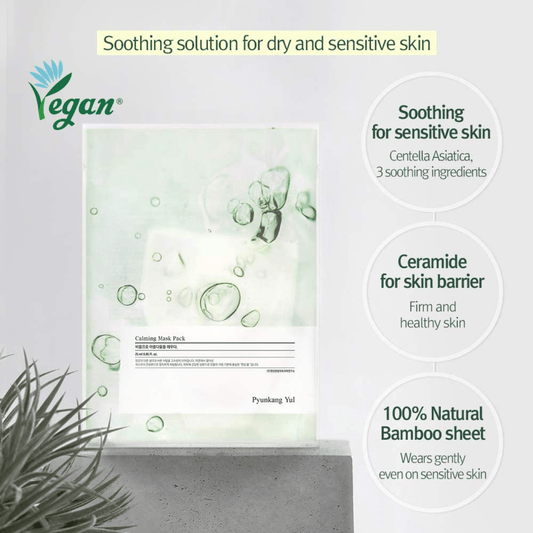

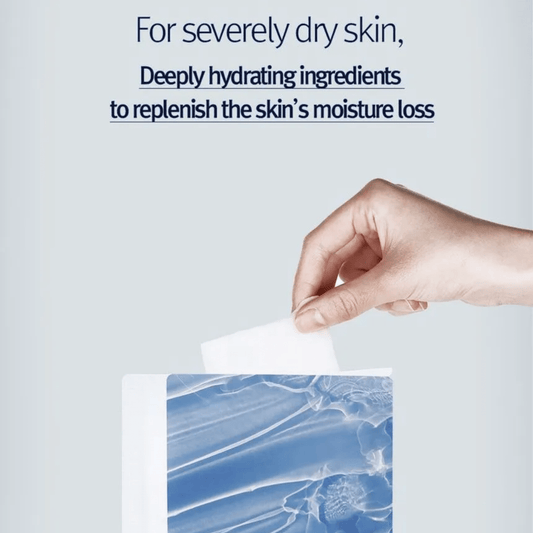

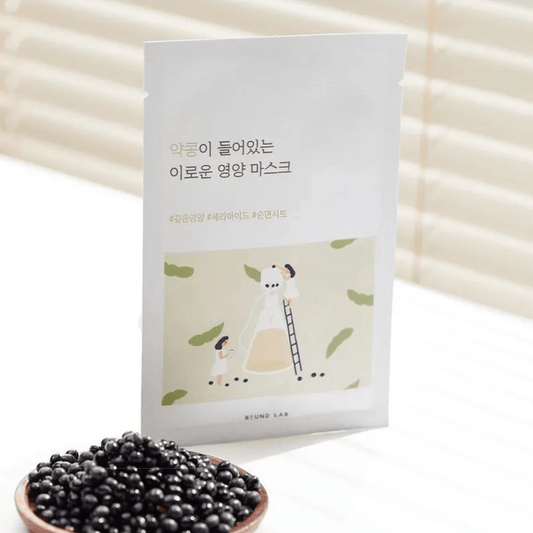

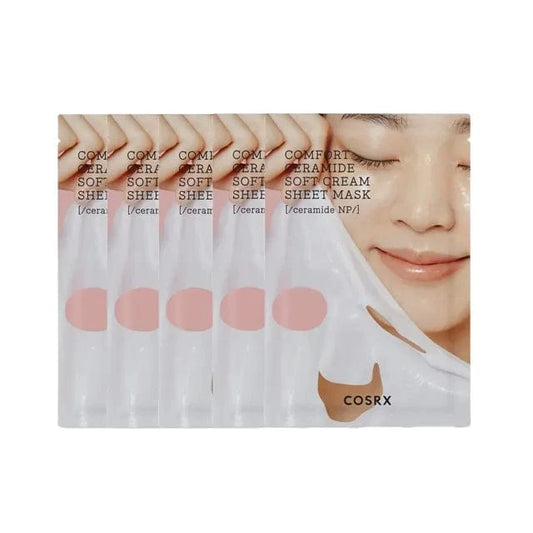
Korean Sheet Masks with Ceramide bring the most structurally important skincare ingredient into a concentrated, single-use format. Ceramides are the primary lipid component of the skin barrier, making up roughly fifty percent of the intercellular lipid matrix in the stratum corneum. They form a waterproof seal between skin cells that prevents transepidermal water loss and keeps irritants and allergens out. When ceramide levels are low, the barrier becomes porous, and skin experiences dryness, sensitivity, and reactivity. A ceramide sheet mask directly replenishes what the barrier needs to function properly.
How Ceramides Work in the Skin Barrier
The skin barrier is structured like a brick wall, with skin cells as bricks and lipids (primarily ceramides, cholesterol, and fatty acids) as the mortar. Ceramides are the most abundant component of this mortar, and they are responsible for its waterproofing and barrier function. When ceramides are reduced by age, harsh products, over-exfoliation, or environmental damage, the mortar breaks down and the barrier becomes leaky. Water escapes, irritants enter, and the skin becomes dry, red, and reactive. Topical ceramides applied in a concentrated serum help restore the mortar layer.
- Ceramides form the waterproof mortar between skin cells
- Barrier leakage allows water loss and irritant entry
- Topical ceramides restore the intercellular lipid structure
- Concentrated serum format delivers more than a typical cream
Types of Ceramides Used in Korean Skincare
Korean brands use multiple ceramide types in their formulations because the skin barrier contains nine different ceramide types working together. Ceramide NP and Ceramide AP are the most commonly used in Korean sheet mask serums because they closely match the dominant ceramides in human skin. CeraVe popularised the ceramide concept globally, but Korean brands like IOPE, Cosrx, and Then I Met You use ceramide complexes alongside their signature fermented and botanical actives. A mask containing two or more ceramide types alongside cholesterol and fatty acids provides the most complete barrier support.
- Ceramide NP and AP match dominant human skin ceramides
- Multiple ceramide types address different barrier functions
- Complete barrier support needs ceramides, cholesterol, and fatty acids
- Korean brands combine ceramides with fermented actives
Who Needs a Ceramide Sheet Mask
Ceramide sheet masks are most valuable for chronically dry skin, eczema-prone skin, skin that is sensitised by actives or over-cleansing, and mature skin where natural ceramide production has declined. They are also the right choice during and after recovery from a skin reaction or over-exfoliation episode, when the barrier needs structural support rather than stimulation. Ceramide is compatible with every other skincare active and can be used alongside retinol, acids, and vitamin C to buffer their potential barrier disruption.
- Chronically dry and eczema-prone skin for structural support
- Sensitised skin recovering from actives or over-cleansing
- Mature skin with declining natural ceramide production
- Buffers barrier disruption from retinol and acids
Routine Use
Use a ceramide sheet mask one to three times per week depending on how much barrier support skin needs. Daily use is safe during an intensive recovery period. After the mask, pat in remaining serum and seal with a ceramide-rich moisturiser to lock the replenished lipids in place. Morning SPF protects the restored barrier from UV-driven ceramide breakdown. Over four to six weeks, chronically dry or reactive skin typically shows visible improvement in comfort and resilience.
- One to three times per week for regular care
- Daily use safe during intensive recovery
- Seal with ceramide moisturiser to lock in lipids
- Visible barrier improvement over four to six weeks
Find your ceramide sheet mask in the collection above. Structural repair for skin that has been trying to hold together without what it needs.