

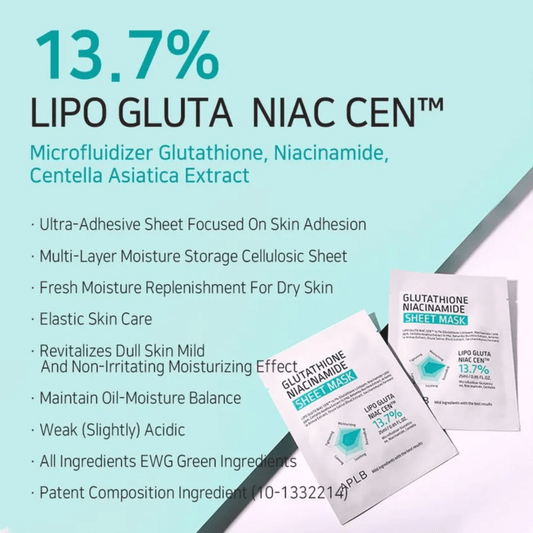


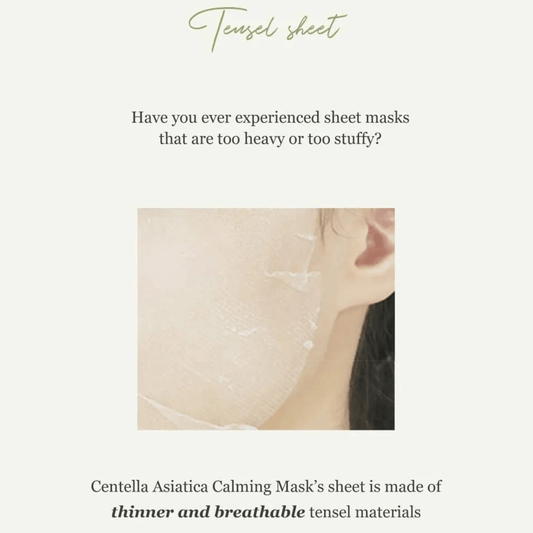


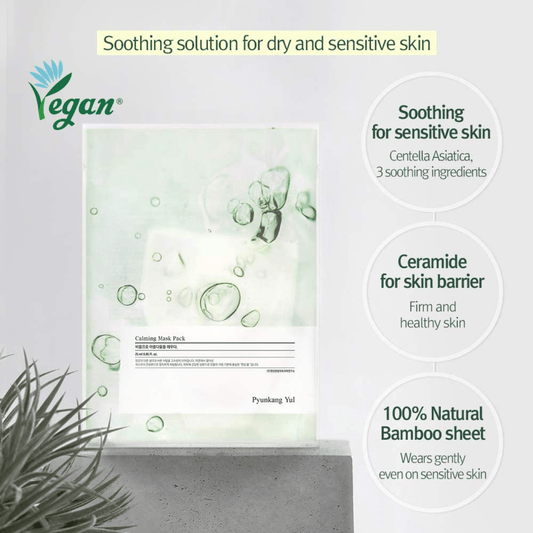



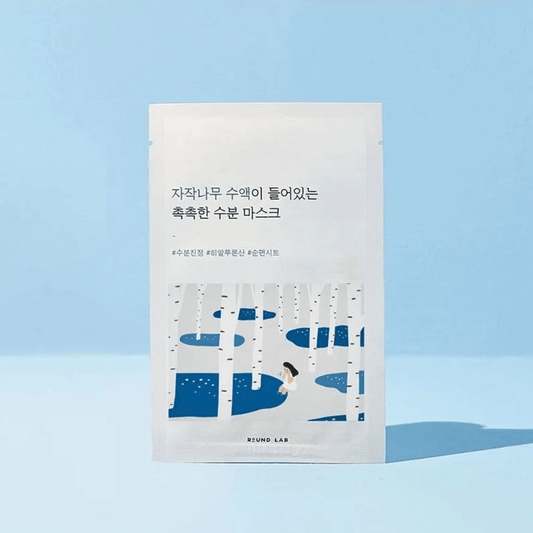
Korean Sheet Masks for Dehydration address something that K-beauty understood before much of the skincare world caught up: dehydration is a condition, not a skin type, and it can affect oily, combination, and dry skin equally. The solution is not more cream but more water, delivered in the right form. A sheet mask loaded with fast-absorbing humectants is one of the most efficient tools available for restoring lost hydration quickly.
Dehydration vs Dryness - What Is the Difference
Dryness is a skin type that produces too little oil. Dehydration is a condition where the skin lacks water, not oil. Oily skin can be dehydrated. The signs are different: dehydrated skin looks flat, papery, and dull; fine lines appear suddenly; and the skin feels tight after cleansing even though it produces oil by midday. Understanding this difference is important when choosing a sheet mask, because dehydrated skin needs humectants, not necessarily heavy emollients.
- Dryness lacks oil; dehydration lacks water
- Oily skin can also be dehydrated
- Flat, papery, dull look signals dehydration
- Tight feeling after cleansing despite oil production
Key Ingredients for Dehydrated Skin
Hyaluronic acid is the standout ingredient for dehydrated skin in a sheet mask context. It holds up to one thousand times its weight in water, drawing moisture to the skin surface and locking it there during mask wear. Beta glucan provides additional deep hydration and has the advantage of penetrating slightly deeper than standard hyaluronic acid. Glycerin and betaine round out effective dehydration formulas by holding moisture at the surface level and reducing irritation from parched skin.
- Hyaluronic acid draws and holds moisture
- Beta glucan for deeper hydration
- Glycerin for surface-level moisture retention
- Betaine reduces irritation from dehydrated skin
How Often to Use for Dehydration
During acute dehydration, use a hydrating sheet mask every other day for one to two weeks, then reduce to two to three times per week for maintenance. The K-beauty seven-skin method layers hydrating toner multiple times as a complement to sheet masking. Adding a hydrating toner step before the mask and a moisture-sealing moisturiser after creates a routine that addresses dehydration at every point in the process.
- Every other day during acute dehydration
- Two to three times per week for maintenance
- Layer hydrating toner before the mask
- Seal with moisturiser after for best results
Routine and Lifestyle Factors
Sheet masks work best when the underlying cause of dehydration is also addressed. Central heating, air conditioning, and low humidity environments all accelerate water loss from the skin. Drinking enough water, using a humidifier in dry rooms, and switching to a gentle non-stripping cleanser all support the work that a sheet mask begins. A good sheet mask session twice a week combined with these simple changes brings lasting improvement to dehydrated skin.
- Use a humidifier in dry or heated rooms
- Switch to a gentle, non-stripping cleanser
- Hydrate from within alongside topical care
- Sheet masks twice a week support lasting change
Browse the collection above and find the right sheet mask for dehydrated skin. Your skin will feel the difference from the very first session.