


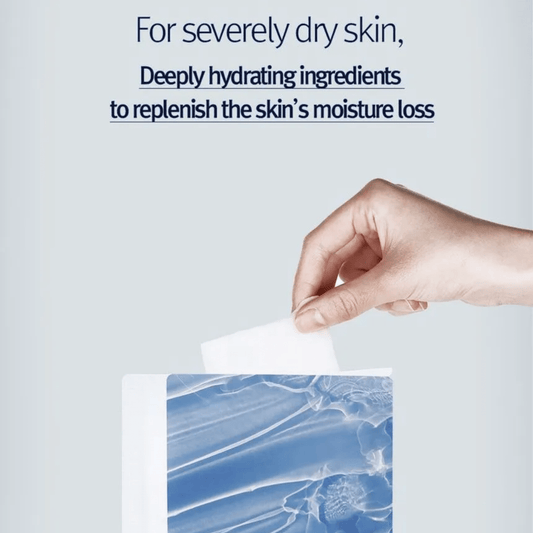

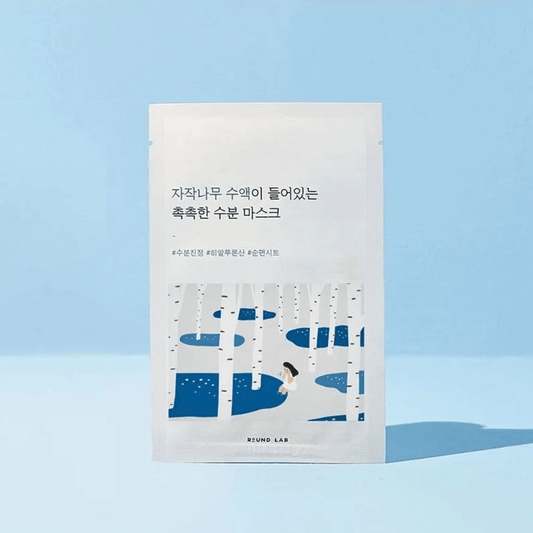

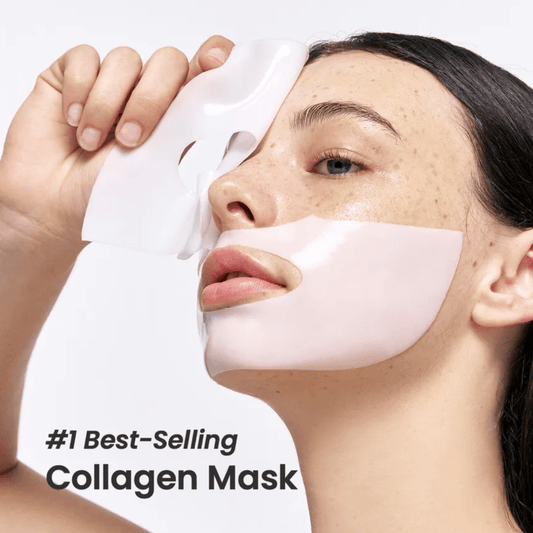

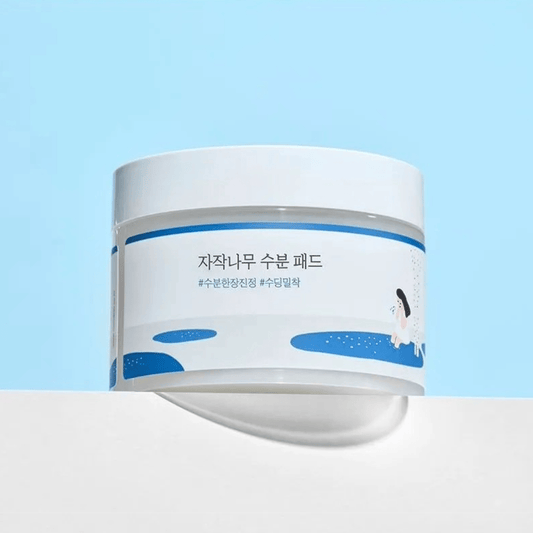

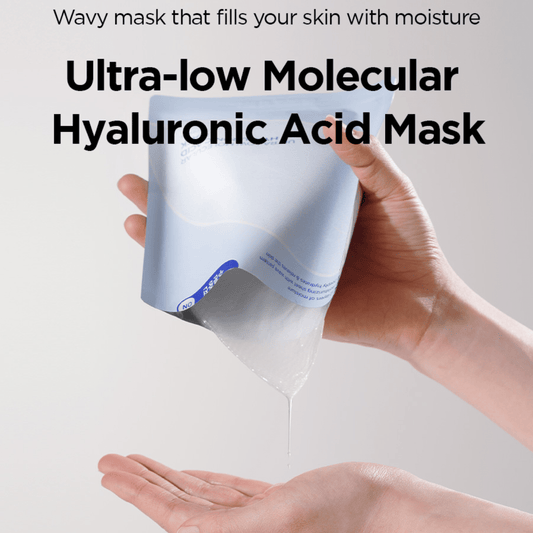


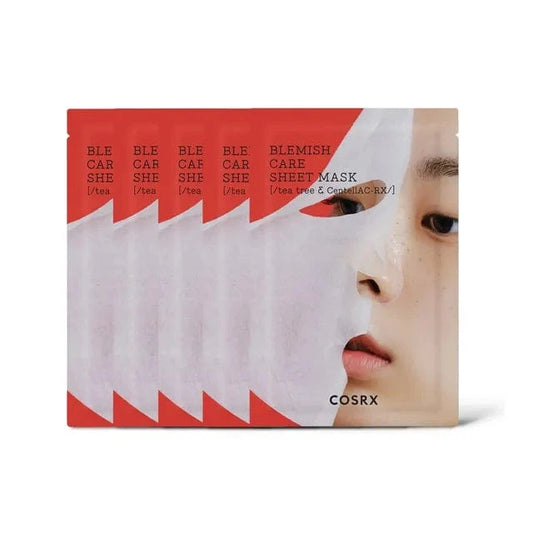
Korean Sheet Masks for Dehydrated Skin address one of K-beauty earliest and most important insights: that skin can be oily, normal, or combination, and still be dehydrated. Dehydrated skin is not a skin type but a condition caused by water loss, and it affects every category of skin depending on environment, routine, and habits. The K-beauty approach to dehydration is layered hydration, and a sheet mask is the most concentrated single step in that approach.
How to Tell If Your Skin Is Dehydrated
Dehydrated skin has specific signs that are different from dry skin. Fine lines appear suddenly in areas where they were not visible before. The skin looks flat and papery, even if it produces oil by midday. Makeup clings to certain patches or sits oddly on the surface. The complexion looks dull despite adequate sleep and hydration. If you press the skin gently and it looks crepey before bouncing back, dehydration is likely the cause even if the skin type is oily or normal.
- Fine lines appear where they were not before
- Flat, papery look despite normal or oily skin type
- Makeup sits oddly or clings to dry patches
- Dull, low-contrast complexion without clear cause
Hydration Ingredients for Dehydrated Skin
Hyaluronic acid is the primary ingredient for dehydrated skin in a sheet mask context. In a concentrated serum under the occlusive sheet, it draws water efficiently and holds it in the upper skin layers long enough to produce a visible plumping effect. Beta glucan complements hyaluronic acid by providing deeper hydration and activating the skin natural defences against further water loss. Snail mucin adds natural hyaluronic acid alongside glycoproteins that support barrier recovery to reduce ongoing dehydration.
- Hyaluronic acid for efficient water-drawing
- Beta glucan for deeper hydration and defence activation
- Snail mucin for natural hyaluronic acid and barrier support
- Layered humectants address dehydration at multiple depths
Dehydrated Oily Skin and Sheet Masks
Oily skin that is also dehydrated is a particularly common concern, and sheet masks are ideal for addressing it. The lightweight, water-based serums in most hydrating sheet masks provide the water that dehydrated oily skin needs without adding any oil that would make the greasiness worse. After four to six weeks of consistent hydrating mask sessions, many oily skin types experience a reduction in midday shine because the dehydration that was driving compensatory sebum production has been addressed.
- Lightweight watery serum suits oily dehydrated skin
- No added oil, just water-based moisture
- Compensatory sebum decreases as dehydration resolves
- Visible reduction in midday shine after four to six weeks
Building a Hydration Routine
A sheet mask works best as part of a broader hydration strategy. Use a gentle, non-stripping cleanser to avoid washing away the skin natural moisture with every cleanse. Apply a hydrating toner in two layers before the mask. After the mask, apply a moisturiser suited to your skin type to seal all the delivered moisture in place. In centrally heated or air-conditioned environments, consider a small humidifier in the room to reduce ambient moisture loss.
- Gentle cleanser to avoid stripping natural moisture
- Layer hydrating toner before the mask for better results
- Seal with moisturiser after mask session
- Humidifier in dry rooms reduces ambient water loss
Find your dehydrated skin sheet mask in the collection above. Consistent hydrating care is the fastest route back to plump, comfortable skin.