














Korean Sheet Masks for Barrier Repair are among the most useful tools in K-beauty for anyone whose skin has become reactive, stinging, or unable to tolerate products it once handled comfortably. Barrier damage is common, and it is almost always caused by too much: too many actives, too much exfoliation, too much stripping. A sheet mask that restores rather than stimulates is exactly what the skin needs at this point.
Signs Your Barrier Needs Repair
Barrier damage has specific signs. Products that used to feel fine now sting or burn. Skin feels tight after cleansing even though you have applied moisturiser. Redness appears without a clear cause. The complexion looks rough and uneven despite being hydrated. These are signals that the lipid matrix between skin cells has been depleted and needs replenishment. A barrier repair sheet mask provides ceramides, cholesterol, and supportive actives to begin that replenishment with each use.
- Products that once felt fine now sting or burn
- Tight feeling despite moisturising
- Redness without obvious trigger
- Rough, uneven look despite hydration
What Barrier Repair Sheet Masks Contain
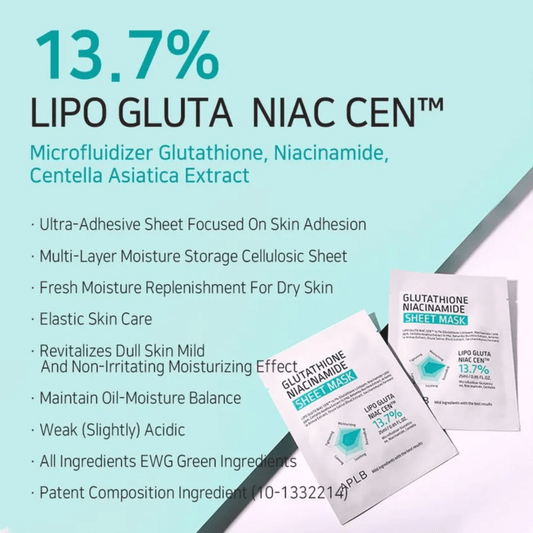
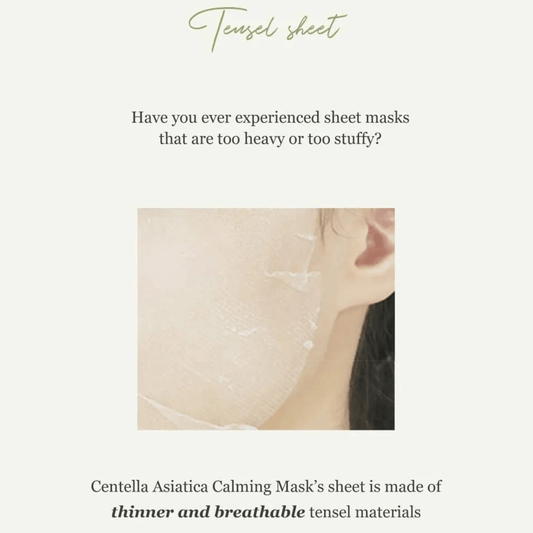
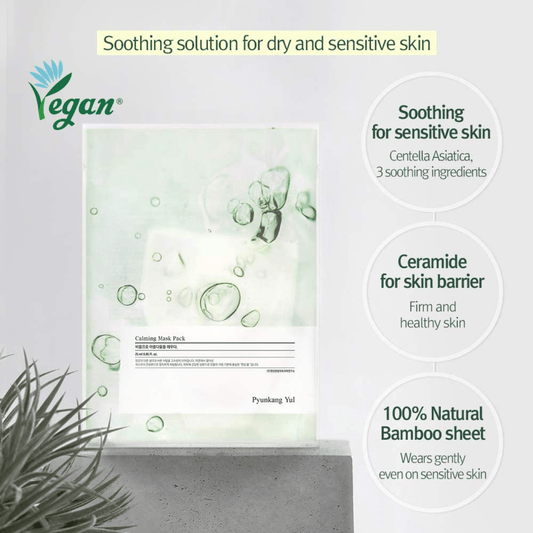
Effective Korean barrier repair sheet masks combine ceramides with centella asiatica and panthenol. Ceramides fill the gaps in the lipid barrier, directly restoring structural integrity. Centella (cica) boosts ceramide production and reduces the inflammation that accompanies barrier damage. Panthenol supports cell regeneration so new cells come to the surface healthy rather than reactive. Allantoin provides additional protection against irritants that would otherwise keep triggering the damaged barrier.
- Ceramides fill structural lipid gaps
- Centella boosts ceramide production and calms
- Panthenol supports healthy cell regeneration
- Allantoin protects cells from ongoing irritants
How Long Barrier Repair Takes
Skin barrier repair takes two to six weeks of consistent, simplified care. A sheet mask two to three times a week is part of that care, but the rest of the routine matters just as much. During repair, use only a gentle cream cleanser, a plain hydrating toner, the barrier-supporting mask, and a ceramide moisturiser. Remove all exfoliating acids, retinol, and vitamin C for at least two weeks. Reintroduce actives one at a time, slowly, once skin is comfortable again.
- Two to six weeks of consistent care needed
- Mask two to three times per week
- Remove all actives during the repair period
- Reintroduce actives slowly, one at a time
Routine Placement During Repair
Apply the sheet mask after a gentle cream cleanser and a plain hydrating toner. Leave on for fifteen to twenty minutes. Pat in remaining serum without rubbing. Follow with a ceramide cream. On non-mask days, use the same simplified routine. Resist the temptation to add anything extra until the skin settles completely. Recovery is a slow, quiet process and the fewer variables, the faster and more complete it tends to be.
- After gentle cleanser and plain toner
- Fifteen to twenty minutes wear time
- Seal with ceramide cream after
- Keep all other routine steps minimal
Browse the barrier repair masks above. Each one is chosen to help your skin recover steadily, without setting off new reactions.