









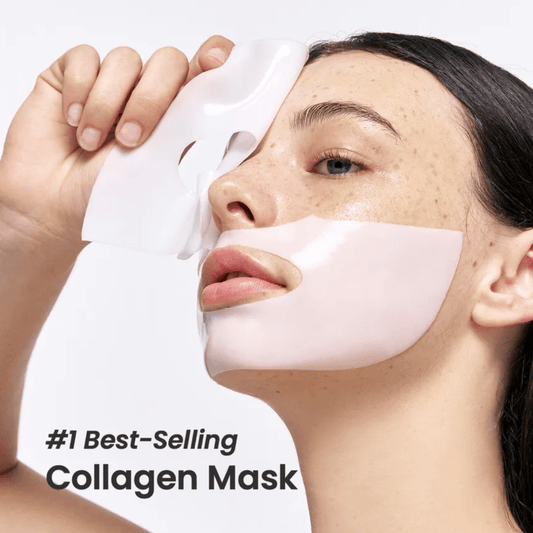

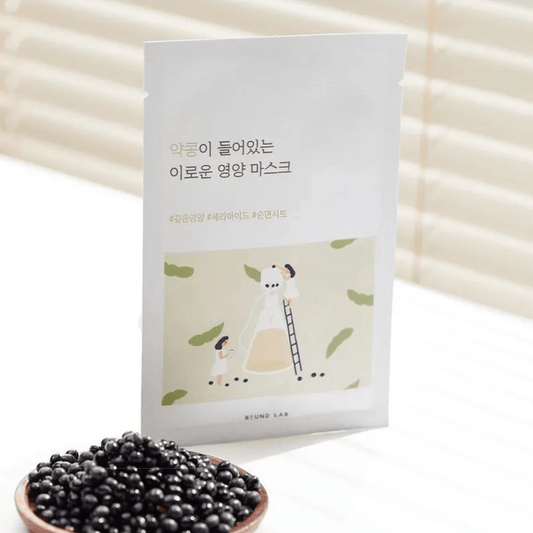

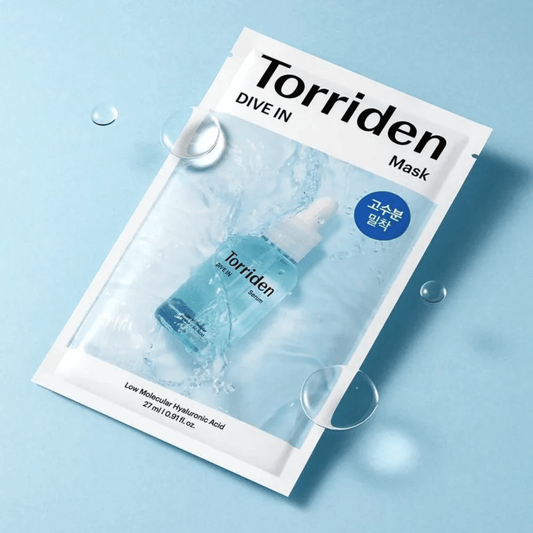
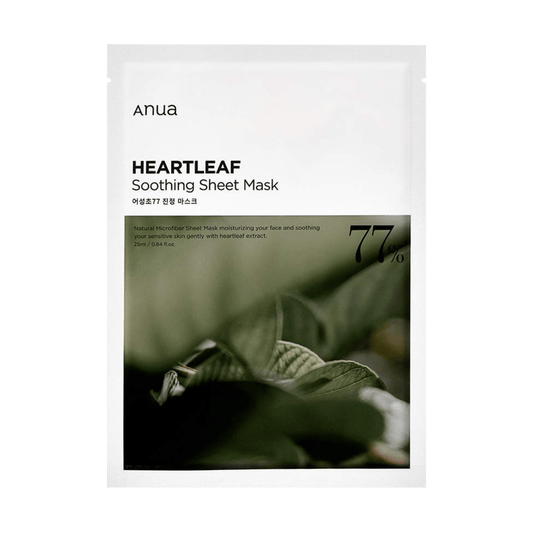
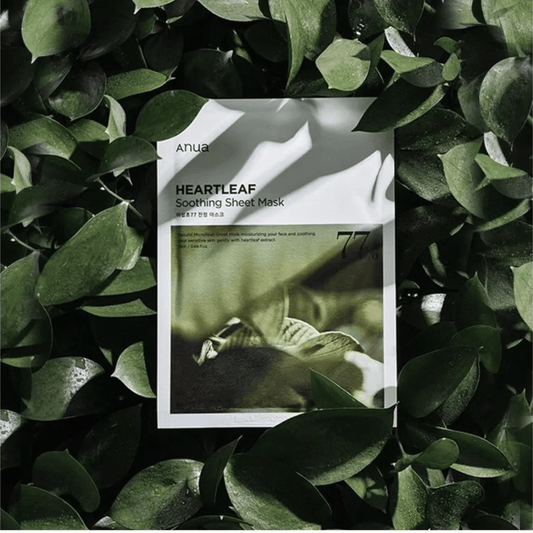
Korean Sheet Masks for Barrier-Supporting are built on a foundational idea in K-beauty: that skin performs best when its barrier is intact. The barrier is a lipid matrix between skin cells that keeps moisture in and irritants out. When it is damaged or depleted, skin becomes sensitive, reactive, and unable to hold onto hydration. A barrier-supporting sheet mask provides the materials to begin restoring that matrix with each use.
How Barrier-Supporting Masks Work
The skin barrier is made of ceramides, cholesterol, and fatty acids arranged like mortar between skin cells. When any of these are depleted, water escapes through the gaps and irritants enter more easily. Barrier-supporting masks replace those lipids directly. Ceramides fill the structural gaps. Cholesterol helps lock the lipid matrix together at the correct ratio. Fatty acids provide the final building blocks that the barrier needs to function properly.
- Ceramides fill structural gaps in the barrier
- Cholesterol helps lock the lipid matrix together
- Fatty acids provide barrier building blocks
- Together they reduce transepidermal water loss
Key Ingredients for Barrier Support
Beyond ceramides and cholesterol, the best barrier-supporting Korean sheet masks also contain panthenol and centella asiatica. Panthenol converts to vitamin B5 in the skin, which supports cell regeneration and calms irritation while the barrier rebuilds. Centella asiatica boosts ceramide production naturally and reduces the inflammation that often accompanies a damaged barrier. Beta glucan provides deep hydration that keeps the recovering barrier comfortable between sessions.
- Panthenol for cell regeneration during repair
- Centella to boost ceramide production naturally
- Beta glucan for soothing hydration
- Allantoin for additional anti-irritant protection
Who Needs a Barrier-Supporting Sheet Mask
If your skin has become reactive to products it previously tolerated, stings when you apply toner, feels tight after cleansing despite moisturising, or looks red and blotchy without explanation, these are signs that the barrier needs support. Over-exfoliation is the most common cause. A simplified routine with a barrier-supporting mask two to three times a week, alongside a ceramide moisturiser, gives the barrier the conditions it needs to recover over two to six weeks.
- Skin that suddenly reacts to familiar products
- Tight feeling after cleansing despite moisturising
- Redness and blotchiness without clear cause
- After over-exfoliation or active overload
Routine Placement During Barrier Repair
During barrier repair, simplify everything. Use a gentle cream cleanser, a plain hydrating toner, a barrier-supporting sheet mask two to three times a week, and a ceramide moisturiser. Drop all exfoliating acids, retinol, and vitamin C until the skin feels comfortable again. When mask days are over, pat in the remaining serum, seal with a ceramide cream, and let the skin rest overnight without adding anything further.
- Gentle cream cleanser only during repair
- Two to three mask sessions per week
- Drop all exfoliating actives until skin settles
- Seal with ceramide cream after each mask
What Results to Expect
In the first one to two weeks, skin feels less tight and stingy after cleansing, and the sensitivity to familiar products starts to reduce. At four weeks, moisture retention improves noticeably: the skin holds onto hydration for longer between applications of moisturiser. At six to eight weeks, most skin types that have been consistently supported reach a stable, comfortable state where the original level of reactivity has reduced significantly. Return to actives gradually and one at a time to avoid repeating the depletion cycle.
- Less tightness and stinging at 1-2 weeks
- Improved moisture retention at 4 weeks
- Stable, comfortable skin at 6-8 weeks
- Reintroduce actives slowly, one at a time
Explore the full collection above. Your skin will know when something restorative comes along.