







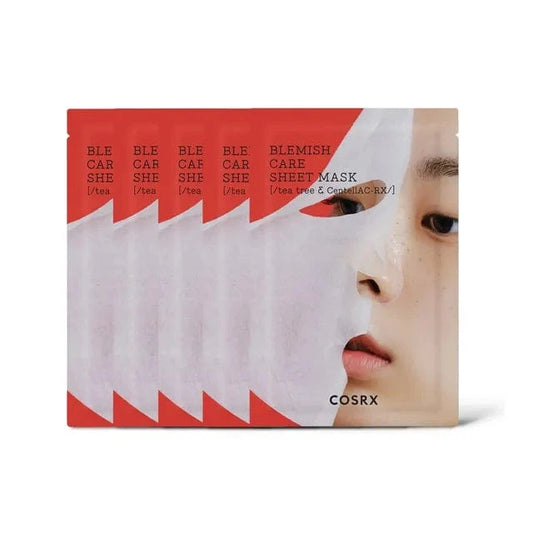
Korean Sheet Masks for Oily Skin reflect one of K-beauty most important contributions to oily skin care: the understanding that oily skin still needs hydration. Korean skincare recognised decades ago that stripping oily skin with harsh products triggers compensatory sebum production that makes the problem worse. The solution is to deliver the water-based moisture that oily skin lacks, so the sebaceous glands have less reason to overproduce oil. A sheet mask is an efficient, targeted way to do exactly that.
Why Oily Skin Needs a Sheet Mask
Oily skin is typically water-dehydrated while oil-sufficient. The skin produces plenty of sebum but struggles to retain water, particularly in centrally heated or air-conditioned environments. This dehydration signals the sebaceous glands to produce even more oil as a protective response. A hydrating sheet mask breaks this cycle by delivering concentrated water-based moisture without any added oil. Over several weeks, as the dehydration resolves, many oily skin types experience a natural reduction in excess sebum production.
- Oily skin is often water-dehydrated despite producing oil
- Dehydration signals more sebum as protection
- Sheet mask delivers water-based moisture only
- Sebum production reduces as dehydration resolves
Key Ingredients for Oily Skin in Sheet Masks
Niacinamide is the most valuable active for oily skin in a sheet mask. At five to ten percent concentration, it regulates oil gland activity and reduces sebum output over time. Hyaluronic acid provides the water-based hydration that breaks the dehydration-sebum cycle. Green tea polyphenols add mild sebum-balancing alongside antioxidant protection. Centella asiatica calms the inflammation that often accompanies oily, blemish-prone skin. A mask containing two or three of these works far more efficiently than using multiple separate products.
- Niacinamide regulates oil gland activity
- Hyaluronic acid for water-only hydration
- Green tea for mild sebum-balancing
- Centella for calming alongside the other actives
Sheet Mask Format for Oily Skin
Oily skin suits lightweight microfibre or thin cotton sheet masks with watery or gel-type serums. Avoid masks with serum textures that feel creamy or heavy, as these can add unnecessary weight to already oil-sufficient skin. The mask should feel cooling and refreshing during wear, not coating or occlusive. After removal, oily skin should feel hydrated and balanced, not greasy, and the skin should look slightly more dewy than before without any visible residue.
- Lightweight microfibre or thin cotton for comfort
- Watery or gel serum consistency, not cream
- Cooling and refreshing during wear
- Hydrated and balanced feel after removal
Frequency and Routine Fit
One to two sheet mask sessions per week is right for most oily skin types. On mask days, use a low-pH gel cleanser before and a lightweight gel moisturiser or nothing after if skin already feels balanced. Skip heavy creams on mask evenings. Over four to six weeks, reduced midday shine and a more balanced overall feel are the typical visible outcomes of consistent lightweight hydrating mask use on oily skin.
- One to two times per week is sufficient
- Low-pH gel cleanser before the mask
- Lightweight or no moisturiser after if skin feels balanced
- Reduced midday shine after four to six weeks
Browse the oily skin sheet mask collection above. The right hydration brings oily skin closer to balance than stripping ever could.