








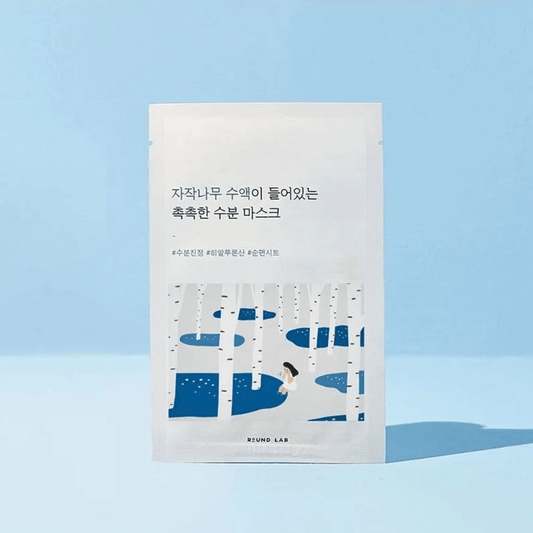

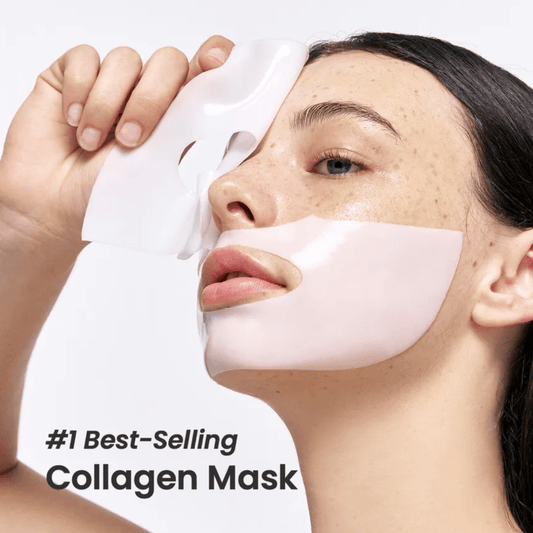

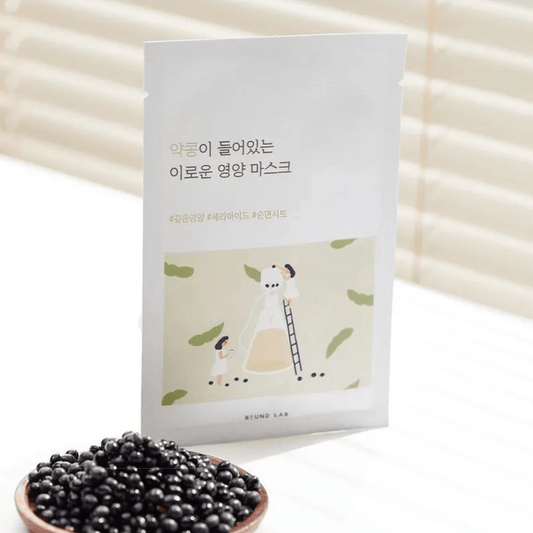

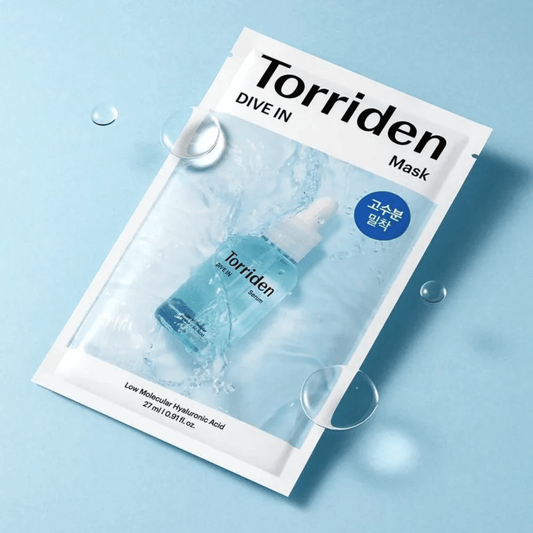
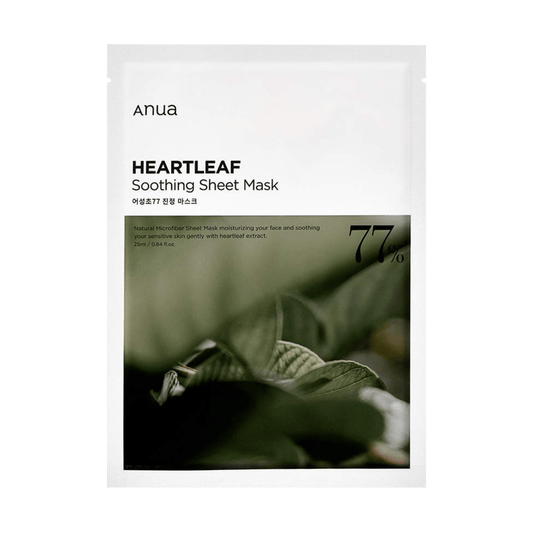
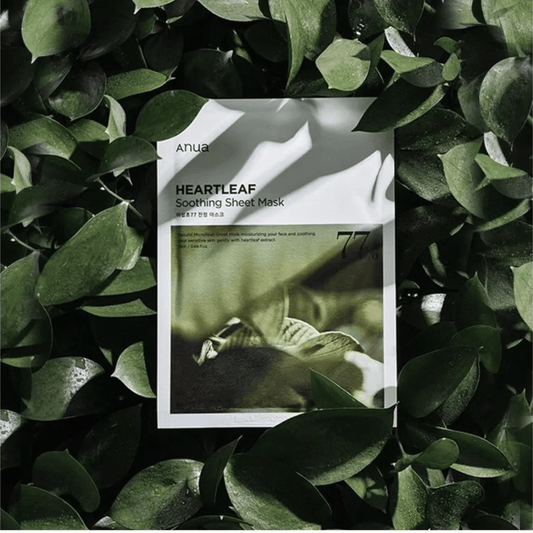
Korean Sheet Masks for Blemish-Prone Skin take a different approach from Western blemish products. Rather than stripping the skin with high-concentration actives, Korean masking philosophy prioritises hydration and barrier support alongside gentle antimicrobial and anti-inflammatory ingredients. Blemish-prone skin that is also well-hydrated breaks out less, because a healthy barrier is better at keeping irritants and bacteria from triggering breakouts.
Key Ingredients for Blemish-Prone Skin
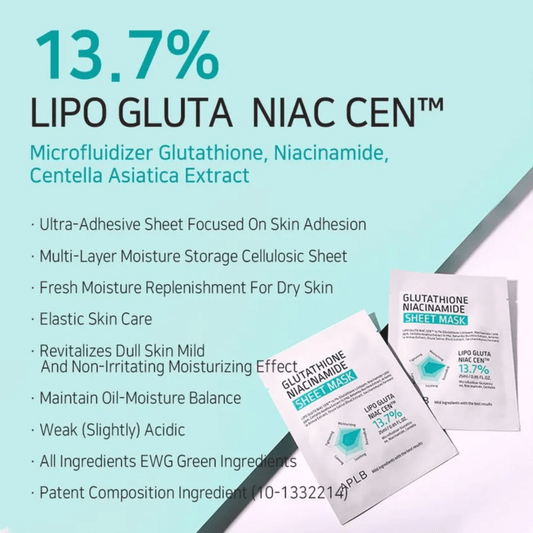
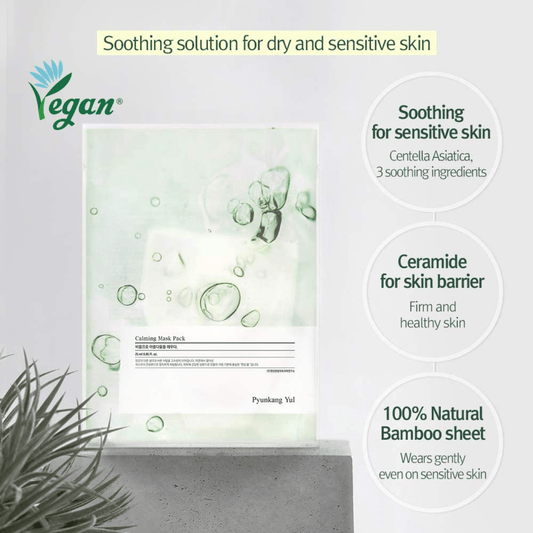
Tea tree oil is widely used in Korean sheet masks for blemish-prone skin. Its active compound, terpinen-4-ol, helps control acne-causing bacteria on the skin surface without the harsh drying effect of benzoyl peroxide. Centella asiatica calms the redness and inflammation that accompany breakouts. Niacinamide regulates sebum production to reduce the excess oil that clogs pores. Salicylic acid, used at low concentrations in some masks, gently clears inside pores without disrupting the overall barrier.
- Tea tree oil to help control breakout bacteria
- Centella to calm redness around blemishes
- Niacinamide to regulate excess sebum
- Low-concentration salicylic acid for pore clearing
Sheet Mask Formats for Blemish-Prone Skin
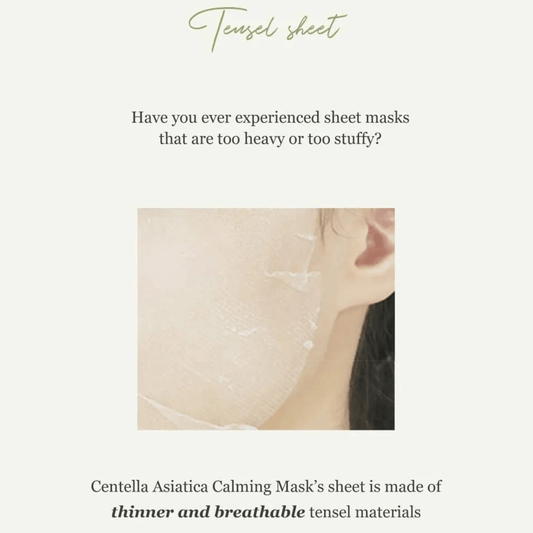
Lightweight microfibre or cotton sheet masks with watery serums are the best choice for blemish-prone skin. Rich hydrogel masks can feel heavy or occlusive on oily or breakout-prone skin, so check the serum inside rather than just the sheet material. Look for serum consistency closer to a gel or essence rather than a thick cream. Masks that are both hydrating and non-comedogenic are the goal, delivering moisture without the risk of clogging pores.
- Lightweight microfibre or cotton with watery serum
- Gel or essence consistency is better than thick cream
- Non-comedogenic formulas for blemish-prone skin
- Avoid heavy, occlusive serum textures
When to Use a Sheet Mask During a Breakout
During an active breakout, stick to calming, fragrance-free masks. Avoid masks with strong exfoliating actives or high acid concentrations during a flare, as these can worsen redness around existing blemishes. A gentle centella or tea tree sheet mask used one to two times a week helps the skin manage bacteria and inflammation without further disruption. Once the breakout settles, you can use a brightening sheet mask to help fade any marks left behind.
- Calming, fragrance-free masks during active breakouts
- Avoid strong acids on inflamed skin
- One to two times per week for blemish-prone skin
- Brightening mask after breakout to fade marks
Routine Placement
Apply after cleansing and toning. On mask days, use a gentle, low-pH cleanser before and a simple, lightweight gel moisturiser after. Skip strong actives like retinol or high-concentration vitamin C on the same evening. Fifteen to twenty minutes of mask time is enough. Pat remaining serum gently into the skin and avoid rubbing, which can spread bacteria to other areas.
- After gentle, low-pH cleanser and toner
- Skip strong actives on the same evening
- Pat remaining serum, do not rub
- Follow with a lightweight gel moisturiser
What to Expect with Consistent Use
After two to four weeks of consistent masking with blemish-targeted formulas, most people notice a reduction in the frequency and severity of new breakouts, alongside calmer, less reactive skin between flares. Niacinamide's sebum-regulating action needs six to eight weeks to show full effect. Post-blemish marks begin fading with regular brightening or centella mask use after active blemishes have cleared. The combination of reduced new breakouts and fading marks produces a visible cumulative improvement in the overall clarity and evenness of the complexion over time.
- Breakout frequency reduces at 2-4 weeks
- Niacinamide sebum regulation shows at 6-8 weeks
- Post-blemish marks fade after active blemishes clear
- Cumulative clarity and evenness improve over time
Browse the collection above. Each mask is chosen to support clearer, calmer skin without the harshness of traditional blemish treatments.