









Korean Sheet Masks for Oiliness take a different approach to shine than most oily-skin products. K-beauty discovered early that stripping oily skin with harsh cleansers or astringents makes the problem worse: the skin responds to the loss of oil by producing even more sebum to compensate. The solution is hydration, not drying. A sheet mask that delivers lightweight, water-based moisture gives oily skin what it actually needs, and over time, sebum production often decreases as the skin becomes less dehydrated.
Why Oily Skin Needs a Sheet Mask
Oily skin is often also dehydrated. This combination is one of the most misunderstood skin concerns in skincare: the skin looks shiny but feels tight, the T-zone produces oil but the cheeks feel papery, and adding moisturiser seems to make things worse. The problem is water loss, not oil production. A hydrating sheet mask addresses the water deficit without adding oil, which helps the sebaceous glands calm down because the skin is no longer compensating for dehydration by overproducing sebum.
- Oily skin is often also dehydrated
- Water deficit triggers compensatory sebum production
- Hydrating sheet mask addresses water, not oil
- Sebum production calms as dehydration resolves
Key Ingredients for Oily Skin in Sheet Masks
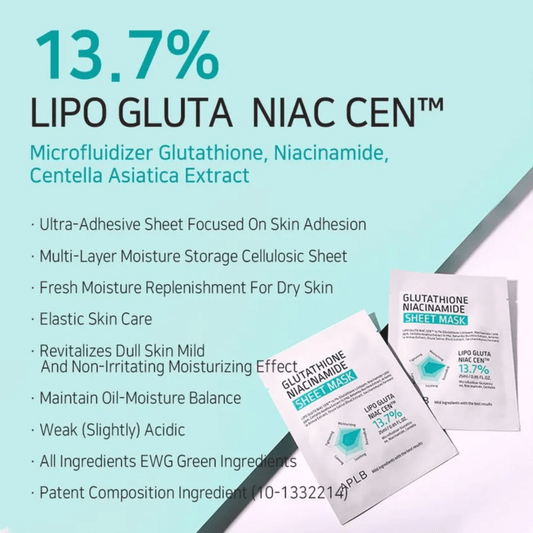
Niacinamide is the most valuable ingredient in sheet masks for oiliness. At five to ten percent concentration, it regulates oil gland activity and reduces the amount of sebum produced over time. Hyaluronic acid delivers water-based hydration without any added greasiness. Green tea extract provides antioxidant protection alongside mild sebum-balancing properties. Centella asiatica calms the inflammation that often accompanies oily, blemish-prone skin without clogging pores or adding weight to the skin.
- Niacinamide regulates oil gland activity
- Hyaluronic acid for water-based hydration without grease
- Green tea for antioxidant and mild oil-balancing
- Centella for calming without pore-clogging
Which Sheet Mask Format Suits Oily Skin
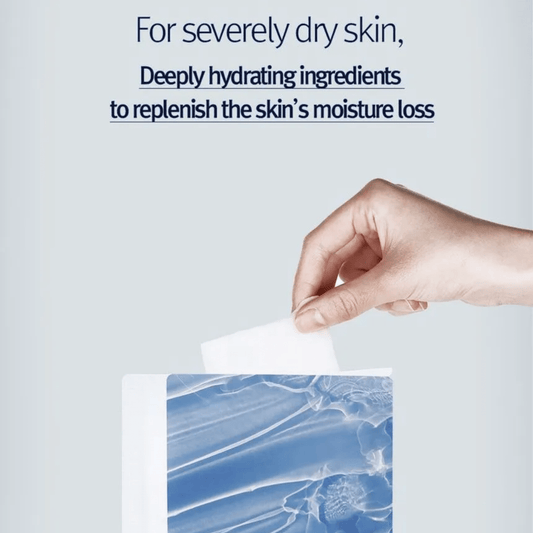
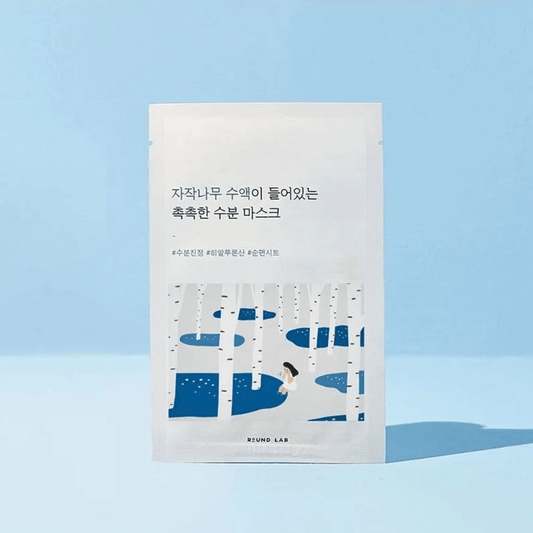
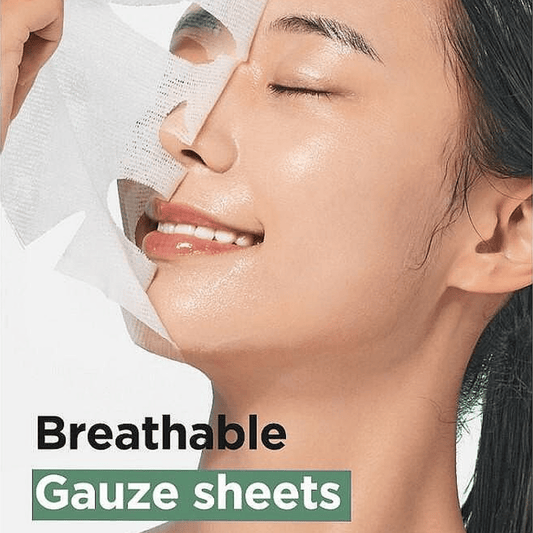
Lightweight microfibre or thin cotton sheet masks with watery, gel-type serums are the best choice for oily skin. Avoid thick, cream-like serums inside the mask, as these can feel heavy and occlusive on skin that already produces enough natural oil. The mask should feel refreshing rather than coating. After removal, skin should feel hydrated but completely clean, with no visible residue and no added shine beyond the natural surface hydration.
- Thin microfibre or cotton with watery serum
- Gel-type serum consistency, not thick cream
- Should feel refreshing rather than coating
- No visible residue or added shine after removal
How Often Oily Skin Should Mask
Oily skin benefits from one to two hydrating sheet mask sessions per week. More than this is unnecessary and wastes product. On mask days, use a gentle low-pH gel cleanser before and a lightweight gel moisturiser or skip the moisturiser if skin already feels balanced after the mask. Over four to six weeks of consistent hydrating care, most oily skin types show reduced midday shine and a more balanced-looking complexion throughout the day.
- One to two times per week is sufficient
- Gentle gel cleanser before, lightweight moisturiser after
- Skip moisturiser if skin already feels balanced
- Reduced midday shine visible after four to six weeks
Browse the oiliness-targeting sheet masks above. Your skin will find its balance when it has the hydration it has been looking for.