
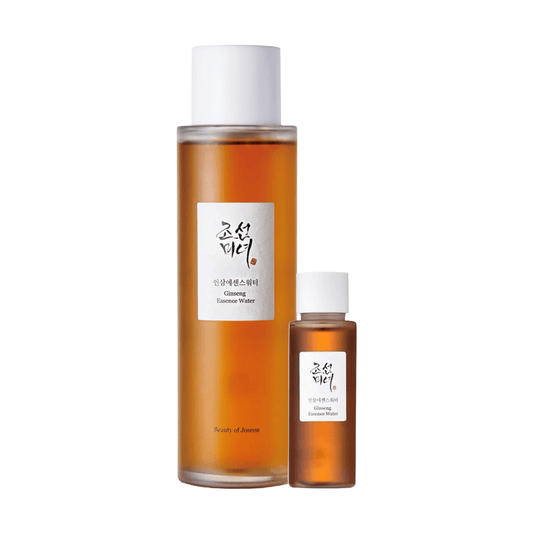
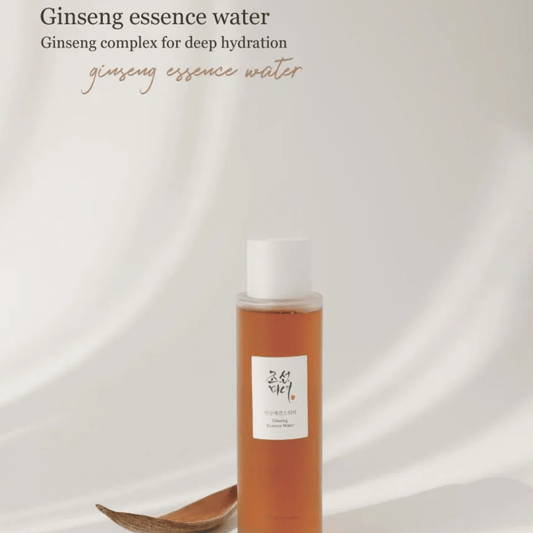
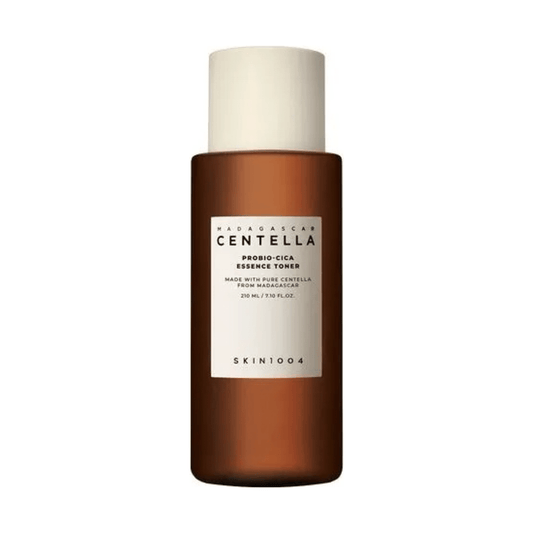
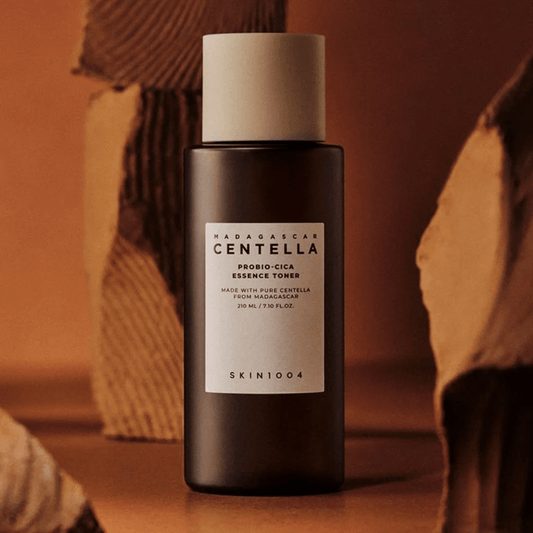


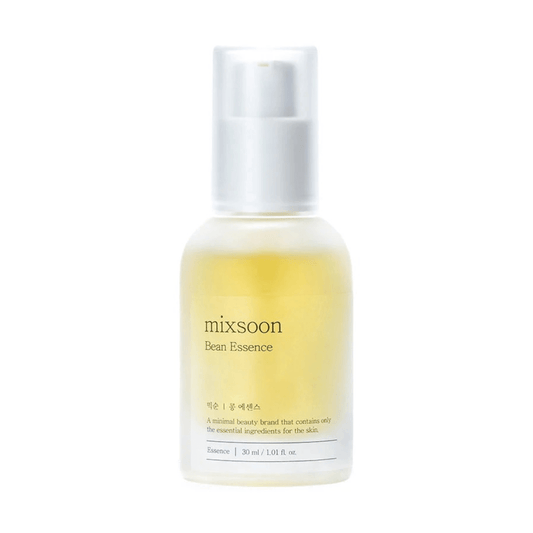
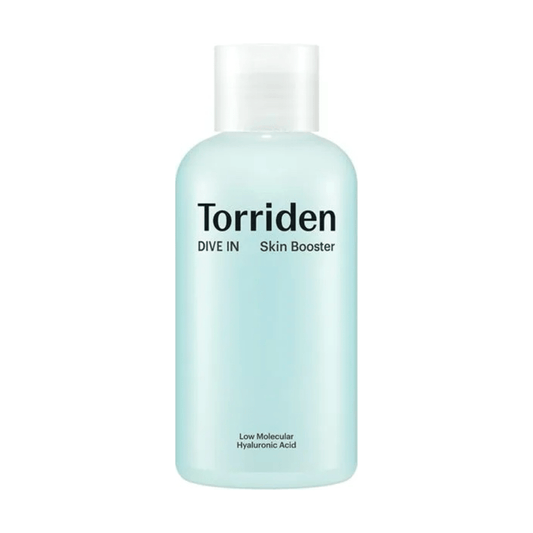
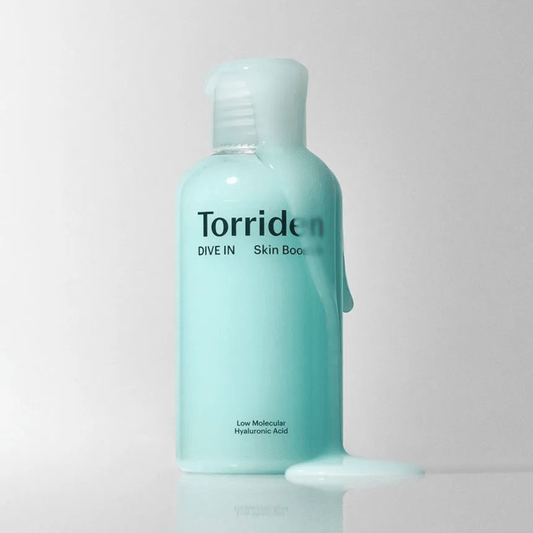

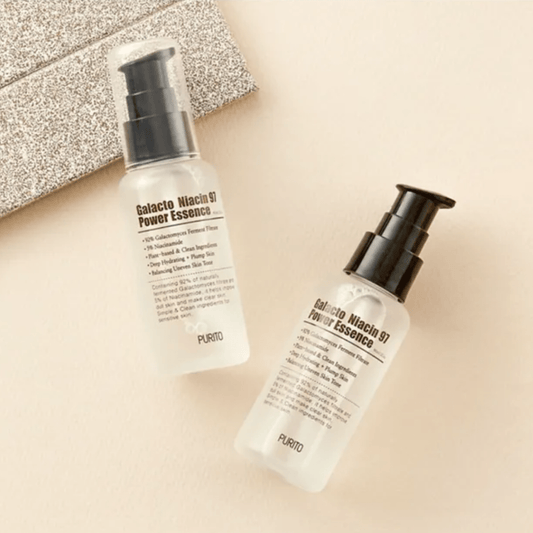



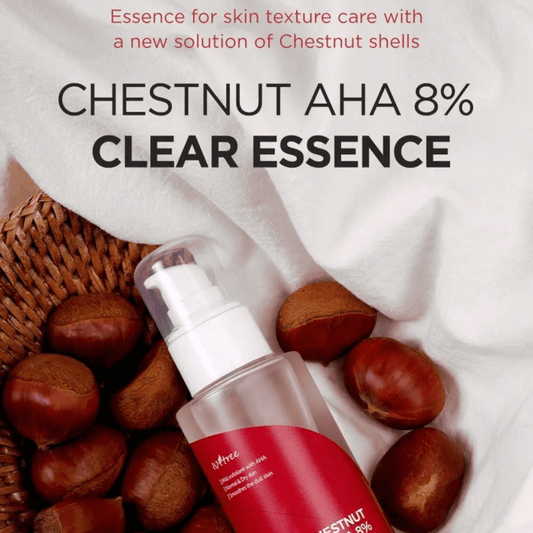

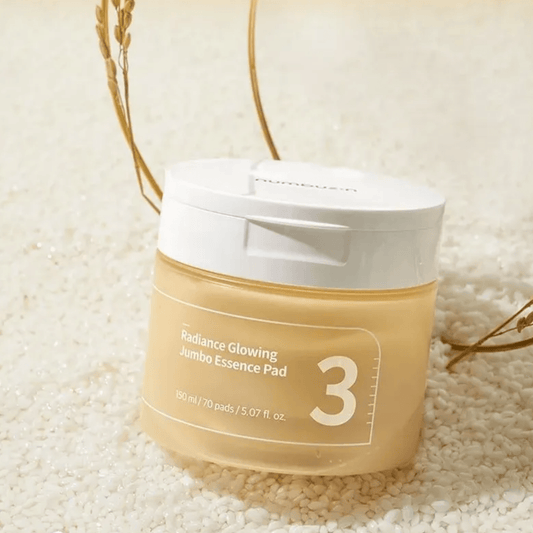
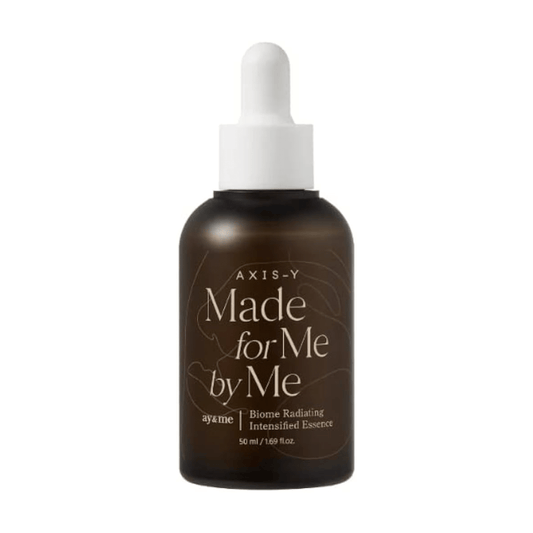
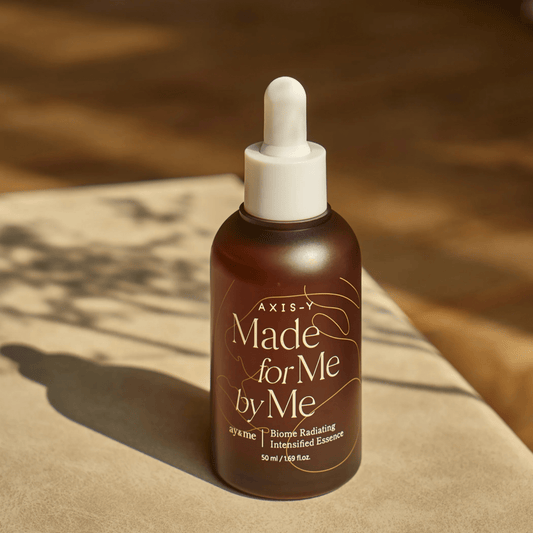



Korean Essences for Sensitivity are built around one principle: the fewer potential triggers an essence contains, the less likely it is to cause a reaction. Sensitive skin is not a fixed skin type but a condition, skin that responds disproportionately to products, weather, or stress. An essence for sensitivity focuses on calming and barrier support using ingredients with strong tolerance records, and avoids everything that commonly causes reactions in reactive skin.
What Triggers Sensitivity and How an Essence Helps
Skin sensitivity is usually driven by a compromised barrier that allows irritants to penetrate more easily. The barrier normally keeps the skin protected; when it is disrupted, allergens, fragrance molecules, and even water can trigger redness and discomfort. An essence that supports the barrier, with ceramides, panthenol, and gentle humectants, helps reduce sensitivity over time by rebuilding the layer that protects the skin from triggers. This is more effective than trying to manage reactions product by product. Consistent use of a barrier-supporting essence gradually makes the skin less reactive to the things it previously struggled with.
- Compromised barriers allow irritants through, repair reduces sensitivity
- Ceramides and panthenol rebuild barrier structure
- Consistent use makes skin less reactive over time
- Managing the barrier is more effective than managing individual reactions
What to Avoid in an Essence for Sensitivity
Fragrance is the most common trigger in skincare products, including essences. Both synthetic fragrance and natural fragrance (including essential oils) can cause sensitisation, and the reaction can develop over months of regular use rather than appearing immediately. Alcohol at high concentrations strips the barrier and dries the skin, increasing sensitivity. Strong actives, vitamin C at high concentrations, high-percentage AHAs, retinol, can trigger sensitivity if introduced without a stable barrier underneath. A well-formulated essence for sensitivity contains none of these and focuses on ingredients with established safety records for reactive skin.
- Avoid synthetic and natural fragrance including essential oils
- Avoid high-concentration alcohol in the first few ingredients
- Introduce strong actives only after the barrier is stable
- Simple formulas with few ingredients reduce cumulative trigger risk
Using a Sensitivity Essence Alongside Retinol
Retinol is one of the most effective ingredients for skin renewal but one of the most sensitising if used on a compromised barrier. Using a calming, hydrating essence before applying retinol, a technique called sandwiching, creates a buffer that reduces the direct contact between the retinol and the skin. Applying a gentle moisturiser on top of the retinol further reduces the irritation potential. With this approach, many people who previously reacted to retinol find they can tolerate it at low concentrations. The sensitivity essence is the foundation that makes other, stronger products usable.
- Apply sensitivity essence before retinol to create a hydrated buffer
- Follow retinol with a plain moisturiser to reduce irritation
- Start retinol at the lowest available concentration
- Use the sensitivity essence on both sides of the retinol step
Browse the range above. Reactive skin benefits most from consistency and simplicity, and a well-chosen sensitivity essence provides both as the foundation of a calmer, more resilient routine.