
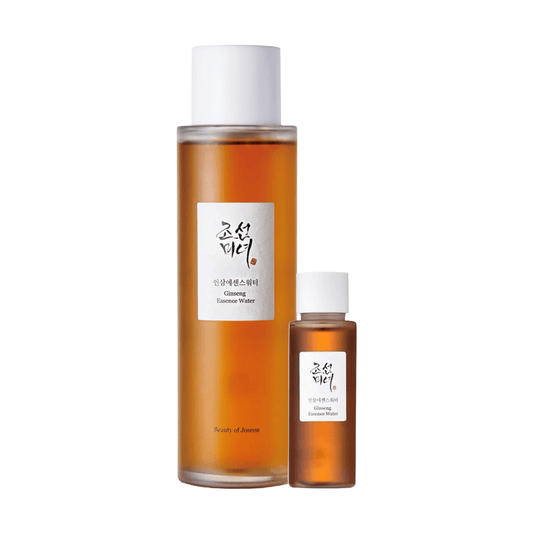
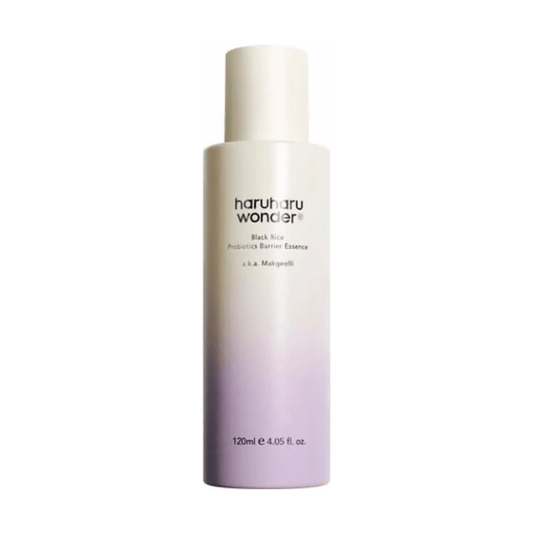




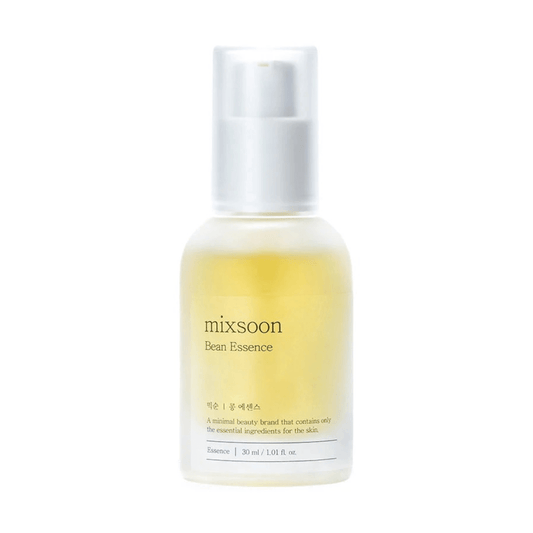
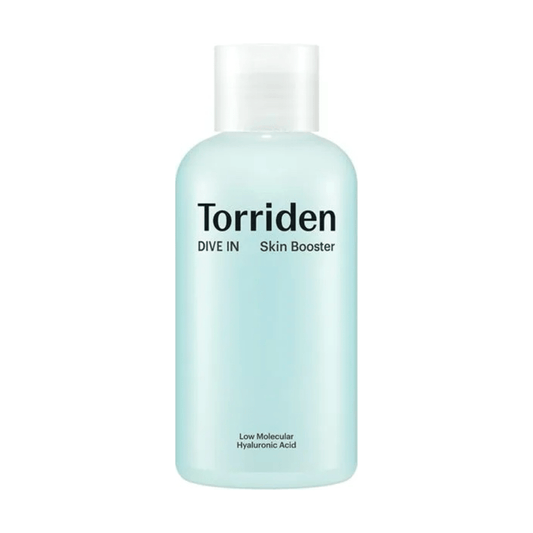
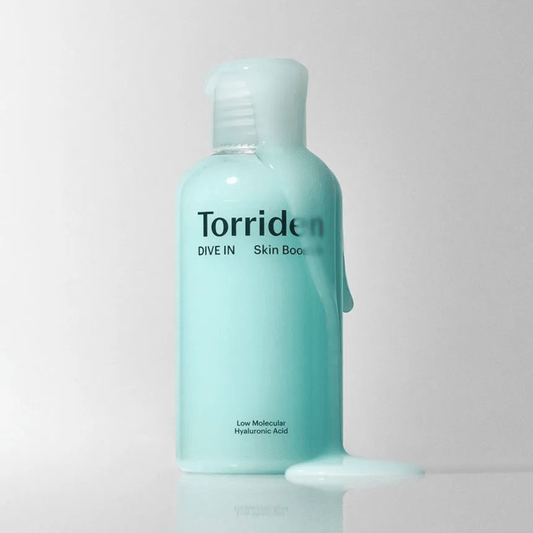

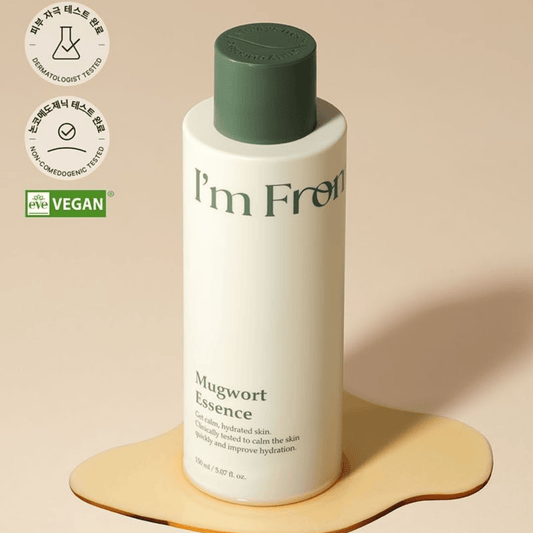




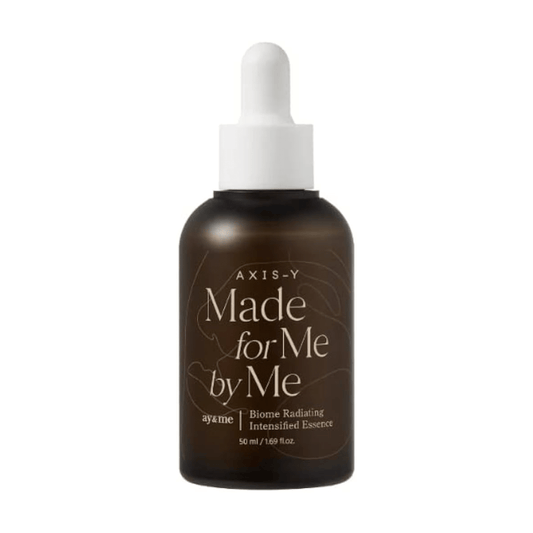
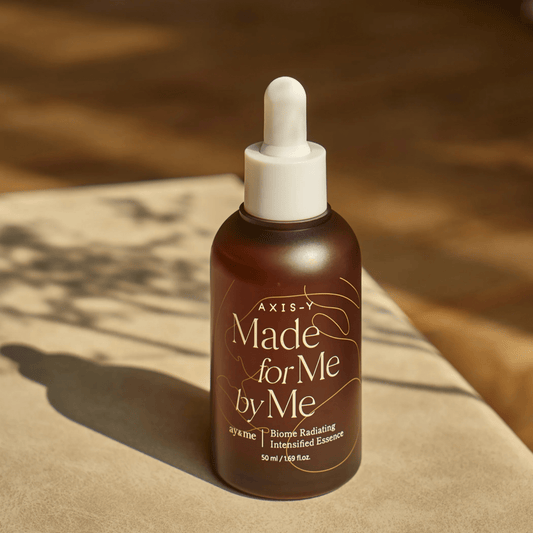
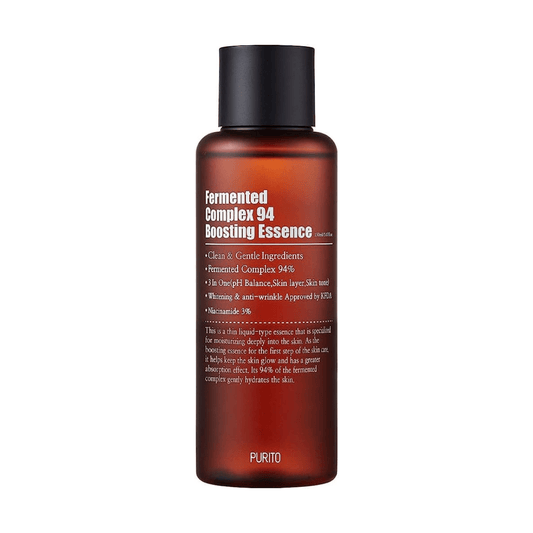
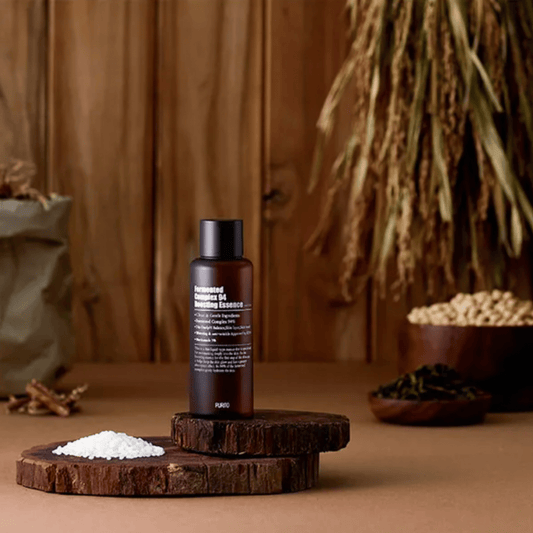

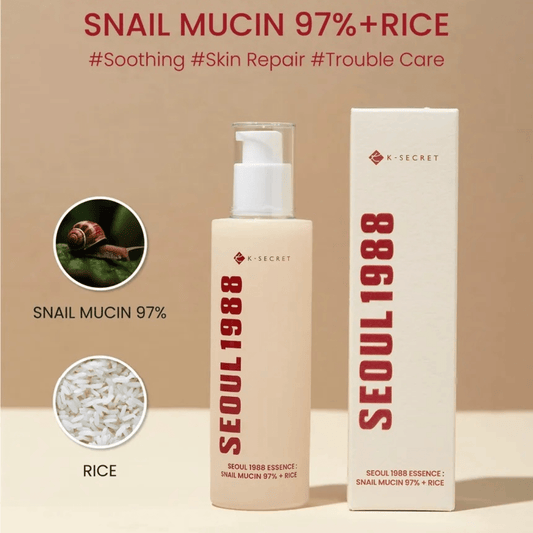
Korean Essences for Sensitive Skin are built on the principle that less is more. Sensitive skin reacts to fragrance, alcohol, essential oils, and even some active ingredients that normal skin tolerates without difficulty. An essence formulated for this skin type delivers hydration and barrier support in the simplest possible format, fragrance-free, minimal, and absorbed without friction. Used daily, it becomes the step that stabilises everything else in the routine.
Ingredients That Work for Sensitive Skin
The most reliable essences for sensitive skin contain a small number of proven, gentle ingredients. Centella asiatica reduces redness and supports repair without stimulating the skin. Panthenol hydrates and calms in the same step. Beta-glucan from oats or mushrooms forms a soothing barrier on the skin's surface and draws moisture in. Allantoin supports cell renewal without irritating. What these essences should not contain is equally important: no fragrance, no synthetic dyes, no denatured alcohol, and no essential oils. For sensitive skin, every unnecessary ingredient is a potential trigger, and a minimal formula reduces that risk significantly.
- Centella reduces surface redness and supports repair
- Panthenol hydrates and calms simultaneously
- Beta-glucan soothes and reinforces the surface barrier
- Allantoin supports gentle renewal without irritating
How Sensitive Skin Responds to Essence Layering
Sensitive skin often benefits from layering an essence rather than applying one thick layer. Thin, repeated applications allow each layer to absorb completely before the next is added, which prevents overloading the skin. This approach also lets you monitor how your skin responds at each stage, if any redness or discomfort appears, you can stop immediately. Many people with sensitive skin use a single layer of essence followed by a simple moisturiser, which is entirely sufficient. The key is not the number of products but the gentleness of each one.
- Apply in thin layers and let each one absorb before adding the next
- One layer followed by a simple moisturiser is often enough
- Monitor for redness or stinging at each step
- Use clean, cool palms to apply rather than cotton pads
Using Actives Alongside a Sensitive Skin Essence
Sensitive skin can still use active ingredients like niacinamide, low-percentage acids, and retinol, but the barrier must be in good shape first. A calming, hydrating essence used consistently helps build the resilience needed to tolerate mild actives without reacting. Introduce one active at a time, use it on alternate evenings, and apply your soothing essence both before and after. This approach gives sensitive skin the benefits of active ingredients while keeping the risk of irritation low.
- Build barrier strength with a daily calming essence first
- Introduce actives one at a time, on alternate evenings
- Apply essence before and after active products
- Stop any active if stinging or redness appears
Choosing Between Sensitive Skin Essence Textures
Even within sensitive skin care, essence textures vary. Water-like formulas are the most neutral and the least likely to cause any issue, they absorb fast and leave nothing behind. Light gel textures offer a little more slip and work well for skin that feels dry as well as sensitive. Avoid essences described as rich, emollient, or firming, as these typically contain ingredients that can feel heavy or reactive on sensitive skin. The simpler the ingredient list and the lighter the texture, the better the starting point for reactive skin types that are still learning their triggers.
- Water-like textures are the safest starting point for very reactive skin
- Light gel textures suit sensitive skin that is also dry
- Avoid rich or emollient essences on reactive skin
- Short ingredient lists reduce cumulative trigger risk
Scroll up to explore the collection. Sensitive skin thrives with consistency and simplicity, and a well-chosen essence is one of the most reliable foundations you can build on.