


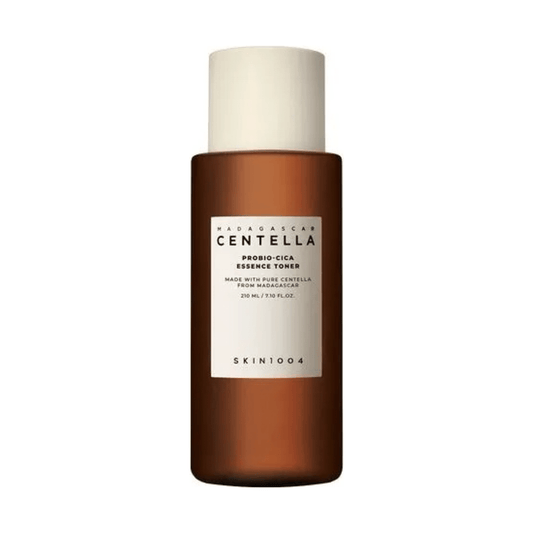
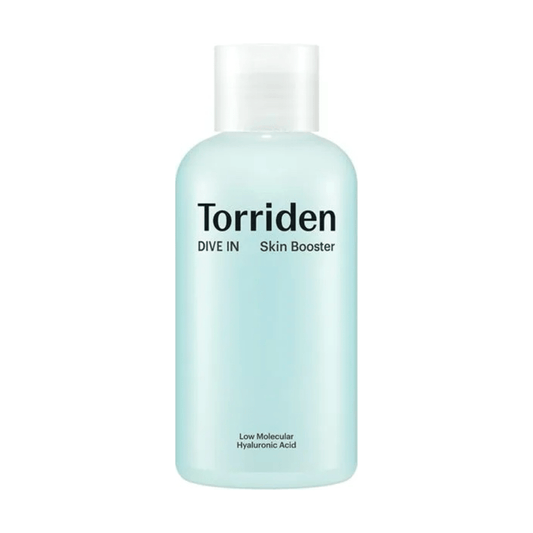
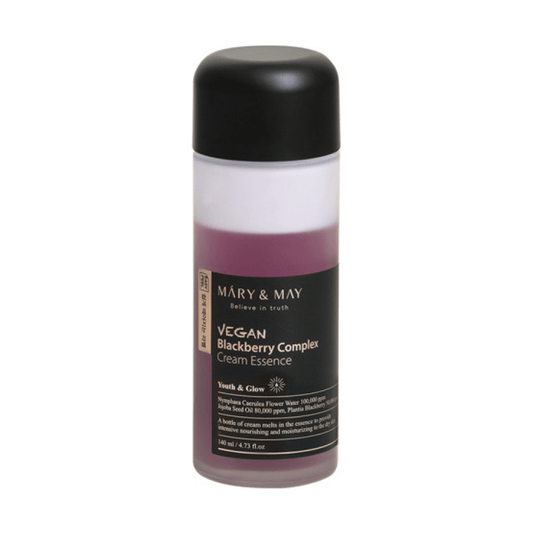
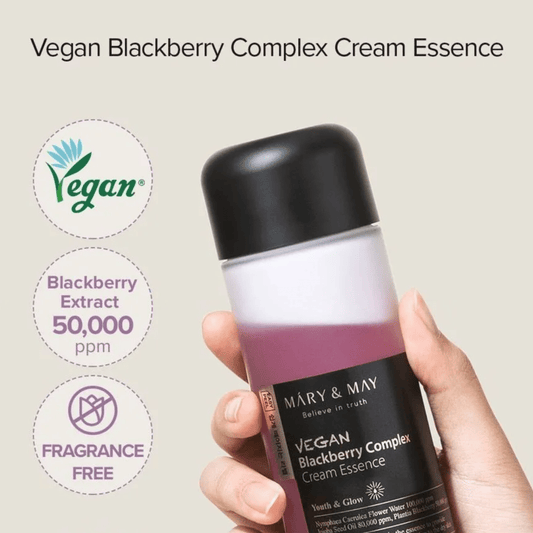
Korean Essences with Phytosphingosine deliver a naturally occurring skin lipid that supports the barrier, calms inflammation, and has antimicrobial properties that make it useful for both sensitive and breakout-prone skin. Phytosphingosine is a sphingolipid, part of the same lipid family as ceramides, that the skin produces itself to maintain barrier integrity and manage microbial balance on the surface. In an essence, it reaches the barrier quickly and provides a range of benefits that fewer skin types react to than almost any other active ingredient.
How Phytosphingosine Supports the Barrier
As a sphingolipid precursor, phytosphingosine converts to ceramide in the skin, which means it both directly supports barrier function and contributes to ceramide production. This makes it doubly useful for barrier-compromised skin: it acts as a barrier lipid itself and it helps the skin generate more of its own ceramides over time. Its anti-inflammatory properties come from its ability to reduce the activity of inflammatory cytokines, signalling molecules that drive the redness and swelling associated with skin sensitivity, eczema flares, and inflamed breakouts. Its antimicrobial properties help control the bacteria linked to breakouts without disrupting the skin's normal microbial balance.
- Converts to ceramide in the skin to directly support barrier function
- Supports the skin's own ceramide production over time
- Reduces inflammatory cytokines that drive redness and swelling
- Antimicrobial properties control breakout-linked bacteria without disruption
Skin Concerns Phytosphingosine Addresses
The combination of barrier support, anti-inflammatory action, and antimicrobial properties makes phytosphingosine one of the most versatile calming ingredients available. Sensitive skin benefits from the barrier reinforcement and inflammation reduction. Eczema-prone skin benefits from the ceramide-supporting and anti-inflammatory properties. Breakout-prone skin benefits from the antimicrobial and anti-inflammatory combination, phytosphingosine both reduces the bacteria that contribute to breakouts and calms the inflammation that makes existing blemishes more visible. Rosacea-prone skin benefits from the anti-inflammatory effect on vascular reactivity. Dry skin benefits from the ceramide precursor activity that improves moisture retention.
- Sensitive and eczema-prone skin benefits from barrier and anti-inflammatory support
- Breakout-prone skin benefits from antimicrobial and anti-inflammatory combination
- Rosacea-prone skin benefits from anti-inflammatory reduction of vascular reactivity
- Dry skin benefits from ceramide precursor improvement of moisture retention
Routine Placement for a Phytosphingosine Essence
A phytosphingosine essence works best as the first active step after toning, applied with clean palms and pressed gently into the skin. It pairs well with other barrier-supporting ingredients, ceramides, panthenol, niacinamide, and does not interact negatively with most actives. For breakout-prone skin, applying a phytosphingosine essence before a lightweight niacinamide serum gives a combined barrier and sebum-regulating effect. For eczema-prone or rosacea-prone skin, applying it before a plain ceramide moisturiser gives the most complete and gentle barrier support. Twice-daily use is safe and recommended for maximum benefit from consistent application.
- Apply after toning as the first active step
- Pairs well with ceramides, panthenol, and niacinamide
- For breakout-prone: essence then niacinamide serum
- For eczema or rosacea: essence then plain ceramide moisturiser
Browse the range above. Phytosphingosine is a quiet, highly effective ingredient for any skin type that needs both barrier support and calm, and a daily essence delivers it consistently in the format the skin absorbs most readily.