
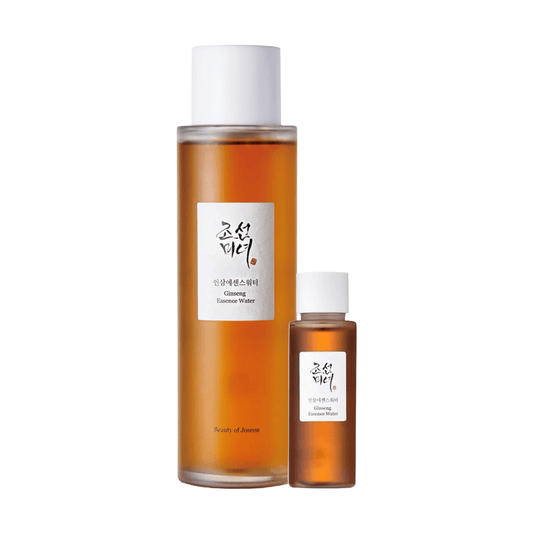
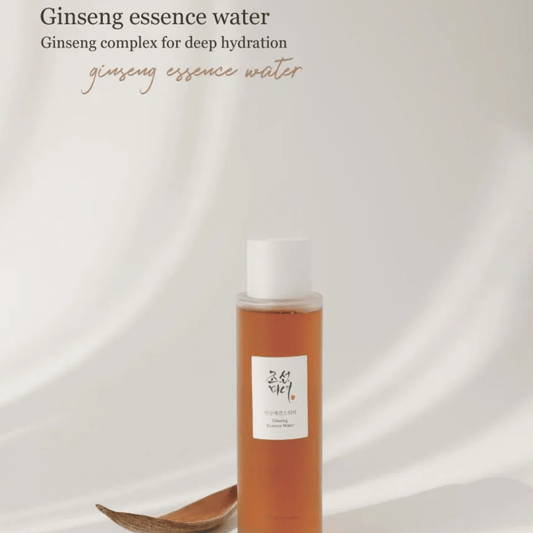
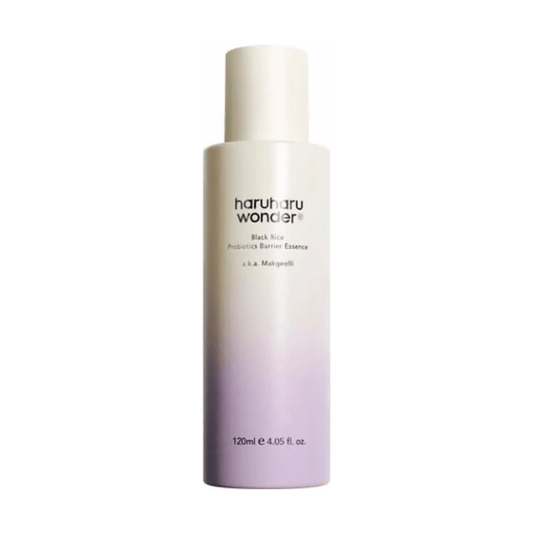


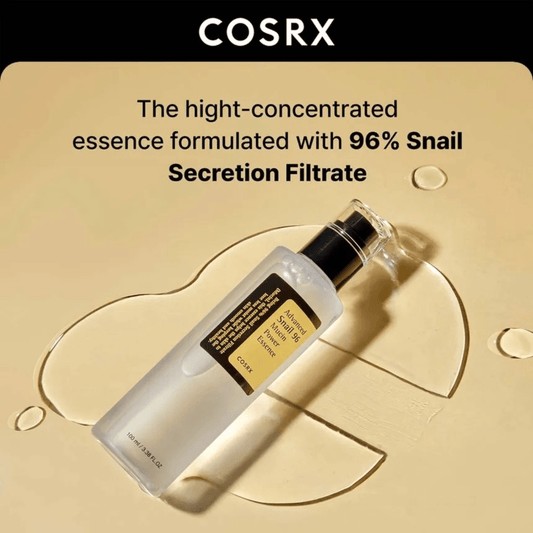
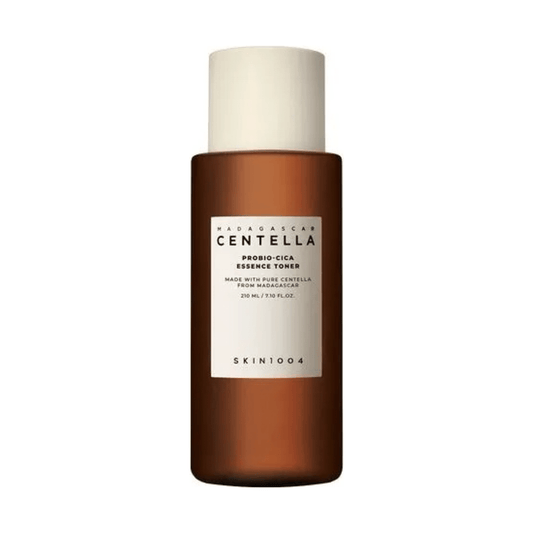
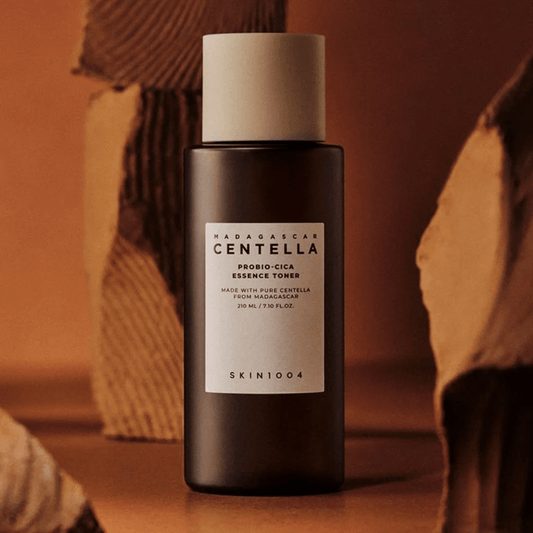

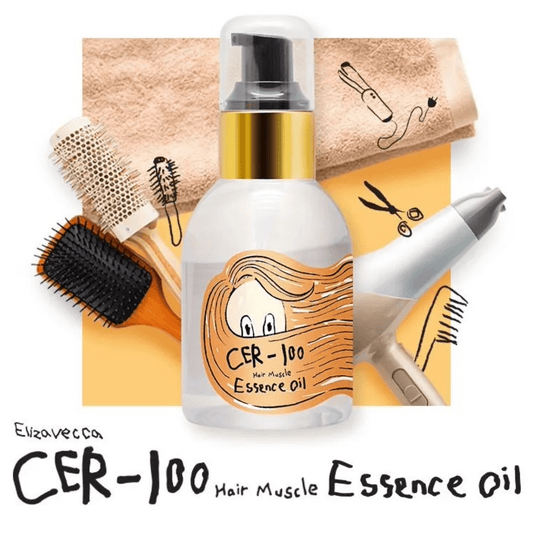


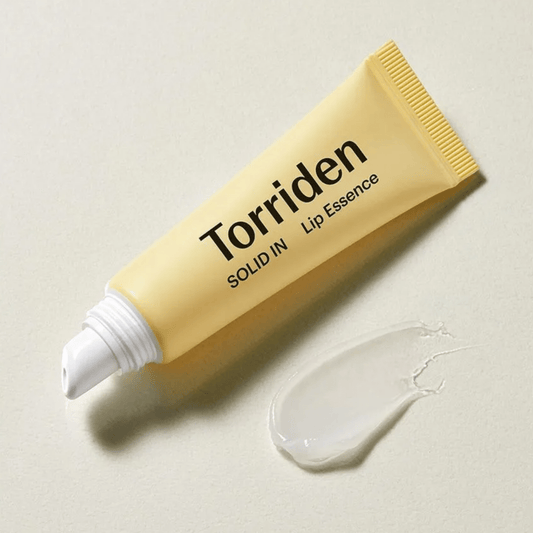

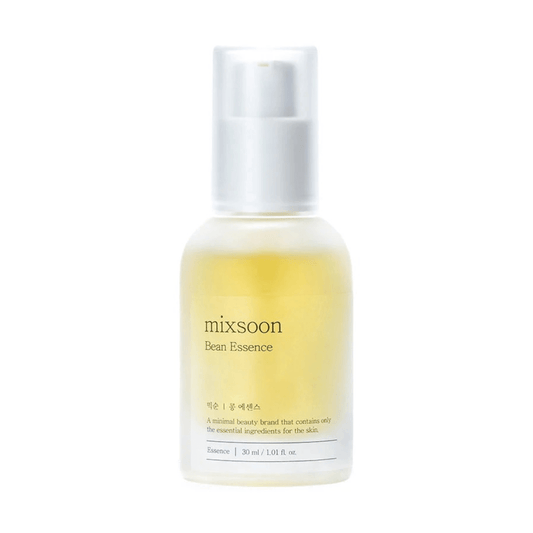
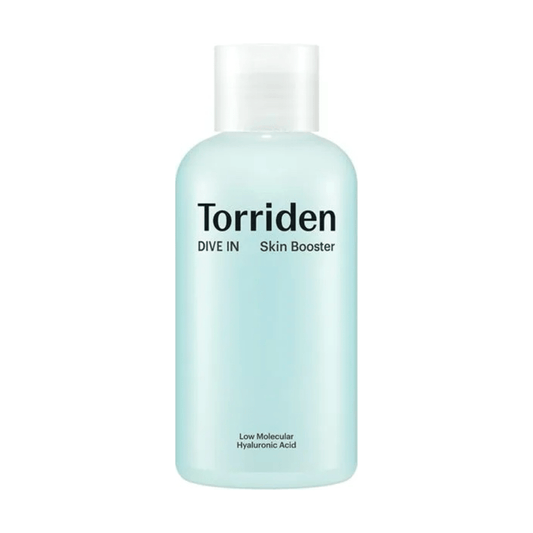
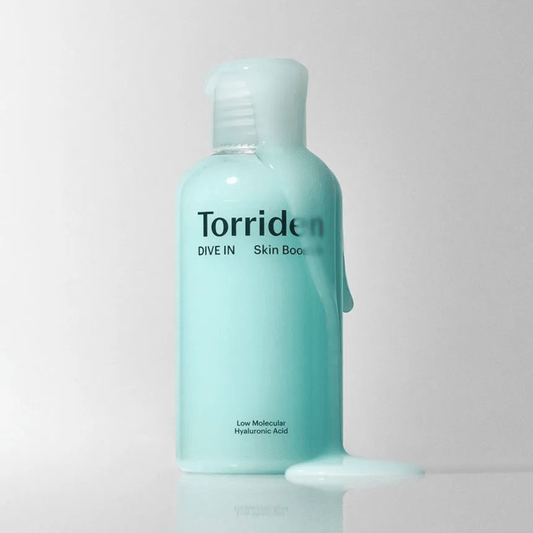

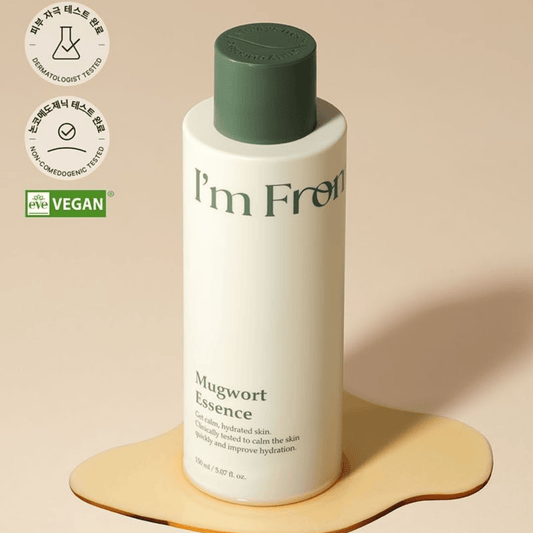

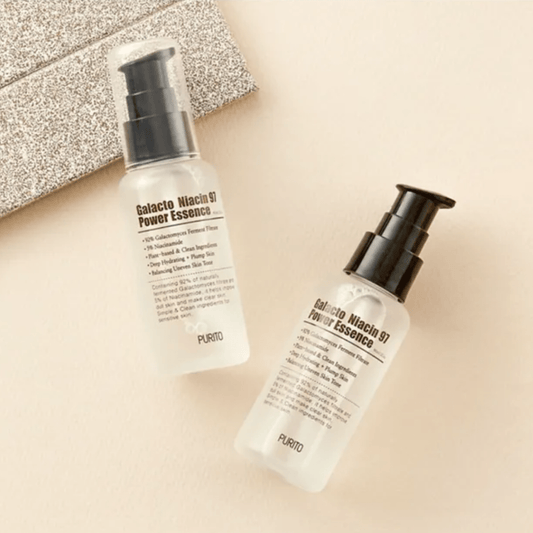



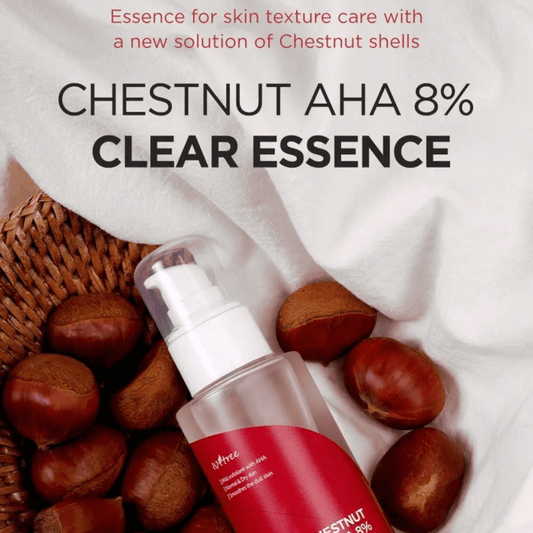

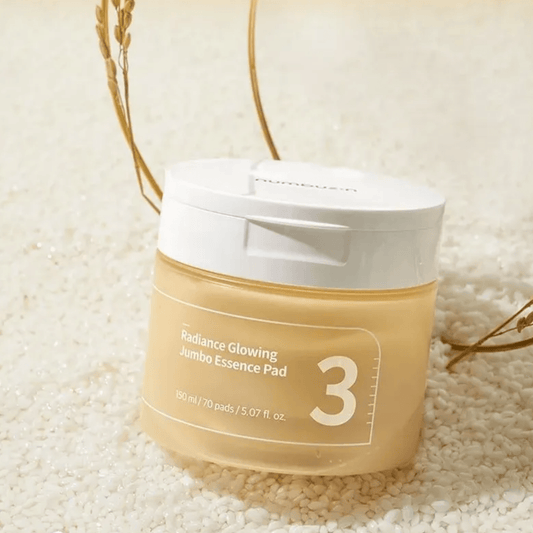
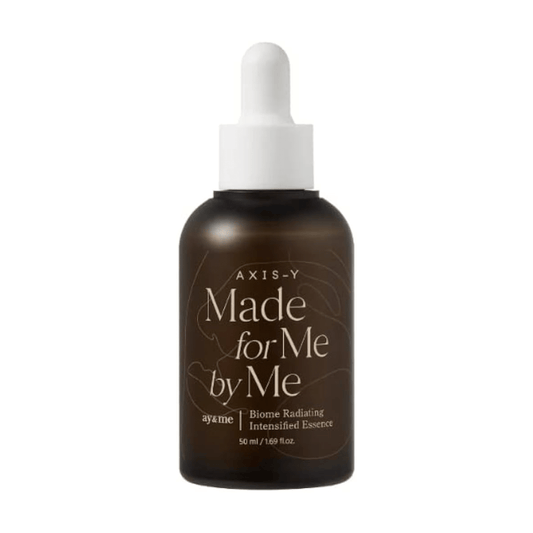
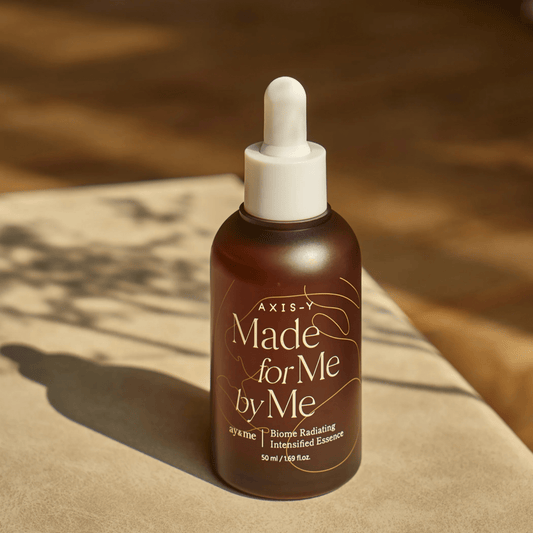
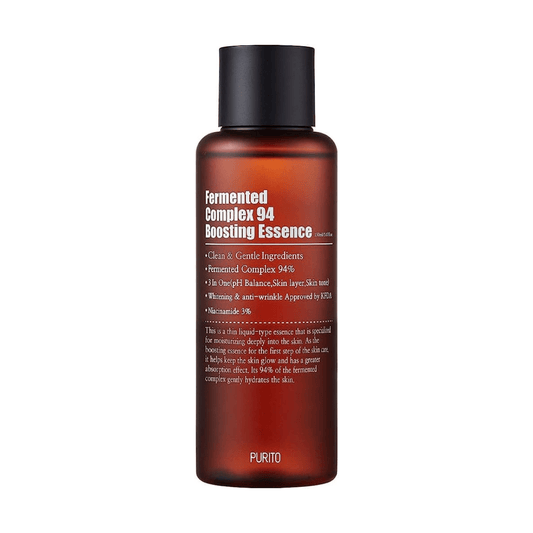
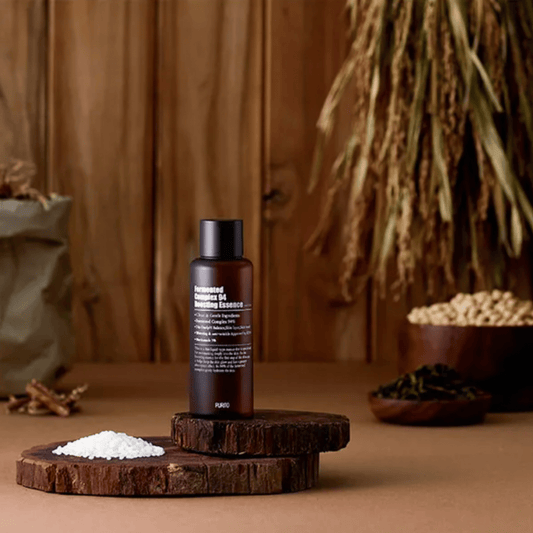
Korean Essences for Soothing are a practical choice for skin that reacts, flushes, or feels irritated after cleansing or exposure to the environment. Applied after toning and before serum, these watery formulas absorb within seconds and begin delivering calming ingredients to the surface and outer barrier before anything else goes on. For sensitive, reactive, or post-treatment skin, this step makes the whole routine feel kinder and more manageable.
What Makes an Essence Soothing
A soothing essence works because it combines a fast-absorbing, fragrance-free base with calming actives at concentrations low enough to avoid stimulating the skin further. The most effective ingredients include centella asiatica, which reduces inflammation and supports repair; allantoin, which softens the skin surface and promotes cell renewal; and panthenol, which binds moisture while calming redness. These ingredients work best when the skin is in a settled state to receive them, which is why routine consistency matters more than any single application. Using a soothing essence twice a day gives the barrier regular reinforcement so it becomes less reactive over time.
- Centella asiatica reduces surface redness and supports repair
- Allantoin softens and encourages healthy cell renewal
- Panthenol calms and binds moisture to the outer barrier
- Fragrance-free formulas reduce the chance of triggering a reaction
How Soothing Essences Differ from Regular Hydrating Ones
A standard hydrating essence focuses on delivering moisture to the skin surface, typically through humectants like hyaluronic acid and glycerine. A soothing essence does this too, but it also includes anti-inflammatory and barrier-repair actives that address the underlying reactivity rather than just the surface dryness. The ingredient list in a soothing essence is usually shorter and more conservative, with minimal or no fragrance, alcohol, or stimulating botanicals. The goal is to deliver hydration while simultaneously reducing the inflammatory signals that cause redness, tightness, and sensitivity after cleansing or product application.
- Hydrating essences focus on moisture delivery alone
- Soothing essences add anti-inflammatory actives to the base
- Shorter, cleaner ingredient lists reduce irritation risk
- Addresses underlying reactivity, not just surface dryness
Skin Types That Benefit Most
Reactive, sensitive, post-treatment, and rosacea-prone skin types all benefit from a soothing essence in their routine. Skin that stings after cleansing or flushes in warm environments needs a calming step before anything active is applied. Skin recovering from a peel, laser, or retinol irritation responds well to a gentle, hydrating essence because it helps the barrier rebuild without introducing new stressors. Even oily skin that experiences sensitivity can use a soothing essence without adding heaviness, as the texture stays completely lightweight throughout absorption.
- Reactive and redness-prone skin
- Post-treatment or post-peel recovery skin
- Skin sensitised by overuse of actives
- Rosacea-prone or easily flushed complexions
Where a Soothing Essence Sits in a Daily Routine
Apply a soothing essence after toning and before any serum or moisturiser. Use clean palms or clean fingertips to press it gently into the skin; rubbing increases friction and can worsen sensitivity. One application is usually enough, though a second layer can be added if skin feels particularly reactive. In an evening routine, a soothing essence pairs well with a repairing serum. In the morning, it provides a calm base before SPF. Both uses are effective and the texture is light enough not to interfere with any products applied on top.
- Apply after toning, before serum and moisturiser
- Press gently with palms rather than rubbing
- Use morning and evening for best results
- Layer a second time if skin is particularly reactive
Scroll up to explore the full range. If your skin tends to react to products or environments, a soothing essence used consistently is one of the most effective steps you can add to the routine.