


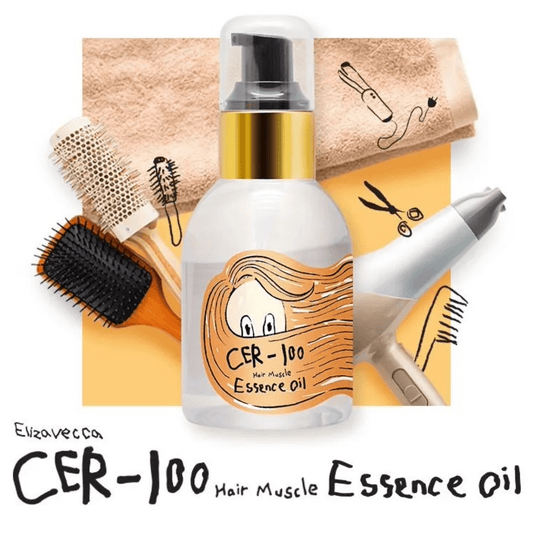

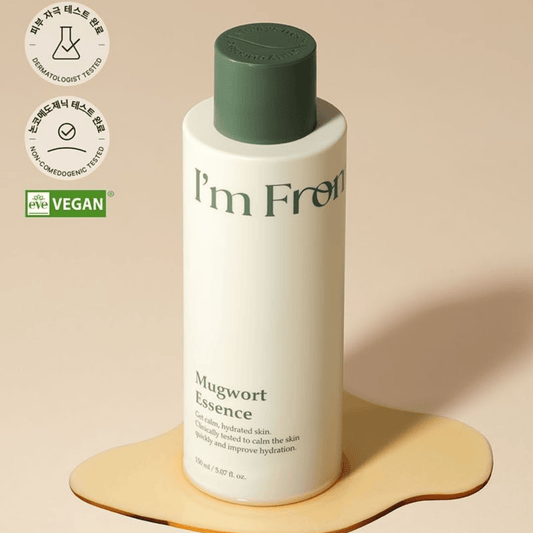

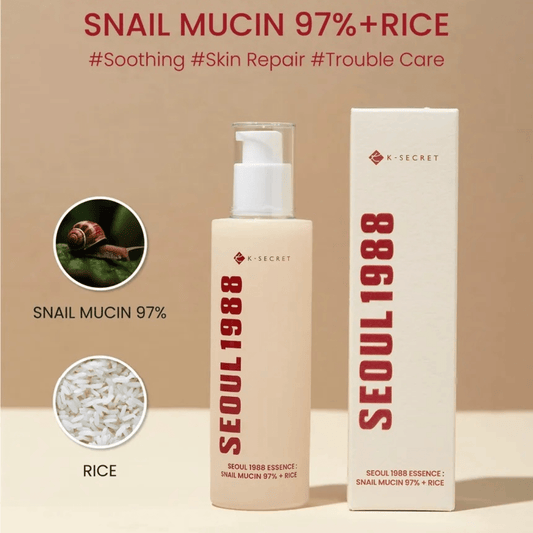
Korean Essences for Anti-Inflammatory support calm skin that is caught in a cycle of reactivity, redness, or persistent low-grade inflammation. Skin inflammation is the root cause of many common concerns, from breakouts and sensitivity to visible redness and barrier disruption. An essence formulated for anti-inflammatory action delivers calming compounds in the most absorbed, first-active step of the routine, helping reduce the inflammatory response before it has the chance to set off visible skin reactions.
Understanding Skin Inflammation
Skin inflammation is a normal immune response that becomes a problem when it is chronic or disproportionate. Acute inflammation, the redness and swelling that follows a cut or allergic reaction, is protective and resolves quickly. Chronic, low-grade inflammation, driven by UV exposure, pollution, stress, barrier disruption, or an overstimulated immune response, is less visible in the short term but accumulates over time to accelerate visible ageing, increase sensitivity, and worsen conditions like rosacea, eczema, and breakouts. Anti-inflammatory ingredients in skincare target the molecular signals that keep this chronic response active, gradually reducing the inflammatory baseline so the skin behaves more calmly.
- Chronic low-grade inflammation accelerates visible ageing over time
- Driven by UV exposure, pollution, stress, and barrier disruption
- Anti-inflammatory ingredients target molecular signals maintaining the response
- Reducing the inflammatory baseline makes skin behave more calmly
Key Anti-Inflammatory Ingredients in an Essence
The most studied anti-inflammatory ingredients for daily use in an essence are centella asiatica, niacinamide, azelaic acid, green tea extract, and allantoin. Centella contains active compounds that inhibit the inflammatory cytokines involved in both skin sensitivity and breakout inflammation. Niacinamide reduces barrier permeability that allows inflammatory triggers through and has direct anti-inflammatory properties. Green tea polyphenols, particularly EGCG, neutralise the free radicals that drive oxidative inflammatory stress. Allantoin soothes the surface and reduces the redness and discomfort associated with surface inflammation. Azelaic acid, in essences that contain it, reduces inflammatory mediators relevant to rosacea and breakouts. These ingredients work on different pathways and are most effective when two or more are combined in a single formula.
- Centella inhibits inflammatory cytokines in sensitivity and breakouts
- Niacinamide reduces barrier permeability and has direct anti-inflammatory effects
- Green tea polyphenols neutralise free radical-driven inflammatory stress
- Multiple anti-inflammatory ingredients together address different pathways
Using Anti-Inflammatory Essences With Active Ingredients
Anti-inflammatory essences are particularly useful as a buffer when introducing or maintaining active ingredients that have the potential to cause inflammation, retinol, vitamin C, exfoliating acids. Applying an anti-inflammatory essence before these actives creates a calm, reduced-inflammation baseline that allows the active to work without triggering a disproportionate skin response. This is not the same as diluting the active, the anti-inflammatory essence does not reduce the effectiveness of the products applied over it. It reduces the skin's reactivity to them, which means the actives can be used more consistently and at full effectiveness without the irritation cycles that often lead to reduced use or discontinuation.
- Apply before retinol, vitamin C, or acids to create a calm baseline
- Reduces reactivity without diluting the active ingredients above it
- Allows active ingredients to be used more consistently and effectively
- Prevents the irritation cycles that lead to reduced or stopped active use
Browse the range above. Reducing skin inflammation consistently, through a daily anti-inflammatory essence, is one of the most effective foundations for any routine, reactive skin that calms down simply works better with everything applied to it.