


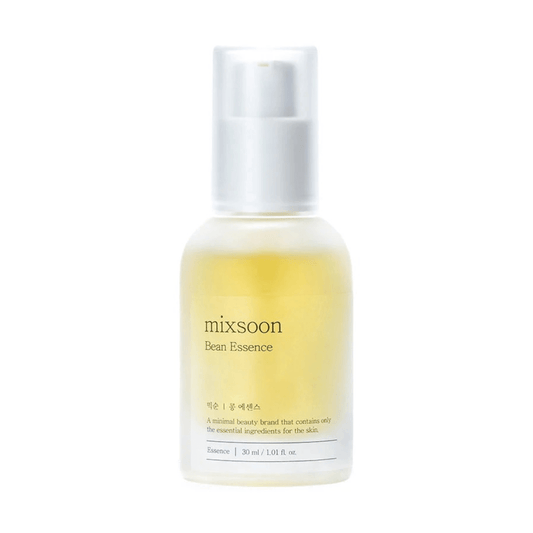
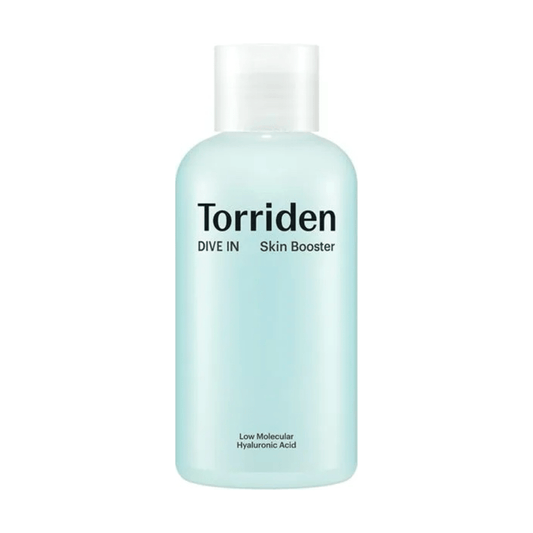
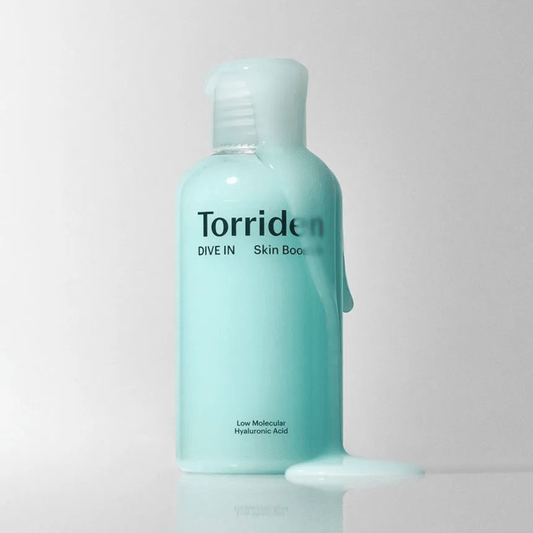

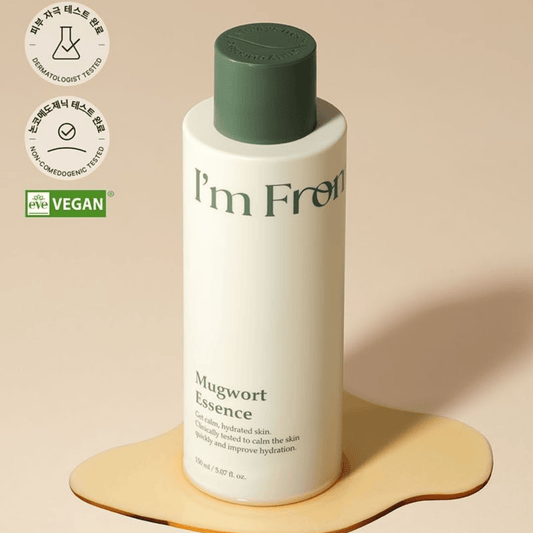
Korean Essences for Antimicrobial support bring a targeted approach to blemish-prone and breakout-prone skin that needs more than standard hydration. Antimicrobial properties in skincare refer to the ability of certain ingredients to reduce the population of microorganisms on the skin's surface, specifically the bacteria linked to breakouts, without disrupting the broader skin microbiome or causing the irritation that harsher treatments often produce.
How Antimicrobial Essences Help With Breakouts
Breakouts develop when excess sebum and dead skin cells create blocked pores in which Cutibacterium acnes bacteria multiply, triggering an inflammatory response. Antimicrobial ingredients reduce the bacterial load on the skin and inside pores, making this chain of events less likely to occur. Phytosphingosine is naturally antimicrobial against C. acnes while also supporting the beneficial bacteria in the skin's microbiome, it is selective in a way that harsh antimicrobials are not. Tea tree oil at controlled low concentrations provides antimicrobial activity without the drying that undiluted concentrations cause. Niacinamide reduces the sebum that feeds bacterial growth. Together in an essence format, these create a daily anti-blemish environment without the aggressive approach that sensitises skin over time.
- Phytosphingosine is antimicrobial against breakout-linked bacteria selectively
- Tea tree at low concentration provides antimicrobial action without dryness
- Niacinamide reduces sebum that feeds bacterial growth
- Daily gentle antimicrobial use prevents blemishes without sensitising skin
Antimicrobial Essences on Sensitive Skin
Sensitive and reactive skin can benefit from antimicrobial essences when the formula is built around gentle, well-tolerated ingredients. The critical distinction is between harsh antimicrobials, high-concentration benzoyl peroxide, strong alcohol, undiluted essential oils, and the gentle, skin-compatible antimicrobials used in well-formulated Korean essences. Phytosphingosine and centella asiatica are simultaneously antimicrobial and calming, making them the ideal ingredients for blemish-prone skin that is also sensitive. An essence built around these two ingredients provides antimicrobial support and soothing action at the same time, without the trade-off of irritation or barrier disruption that stronger treatments require.
- Harsh antimicrobials sensitise skin; gentle ones do not
- Phytosphingosine is simultaneously antimicrobial and calming
- Centella combines antimicrobial, anti-inflammatory, and repair properties
- Sensitive blemish-prone skin benefits from this gentle combination
Where Antimicrobial Essences Sit in a Routine
An antimicrobial essence works most effectively as the first active step after toning, when the skin is clean and there is nothing between the essence and the skin surface that would dilute or block its ingredients. Applied with clean palms pressed gently onto the face, it delivers its active compounds directly to the skin where bacterial activity occurs. Following with a lightweight niacinamide serum extends the anti-blemish effect with sebum regulation. A non-comedogenic gel moisturiser or cream on top completes the routine. Morning use is particularly useful because it creates the daily antimicrobial environment that lasts through the day; evening use supports overnight recovery and repair.
- Apply as first active step after toning on clean skin
- Follow with a niacinamide serum for combined anti-blemish effect
- Non-comedogenic gel moisturiser on top completes the routine
- Morning use creates the daily environment; evening supports recovery
Browse the range above. Consistent daily use of a gentle antimicrobial essence reduces the frequency and severity of breakouts over time, and the approach is far kinder to the skin than the harsh treatments that cause long-term sensitivity.