

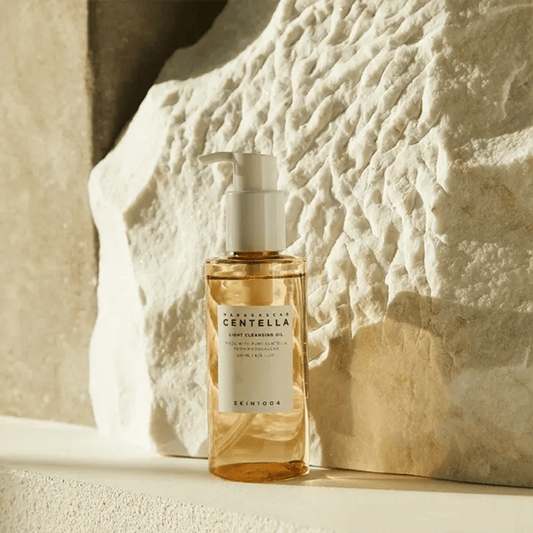

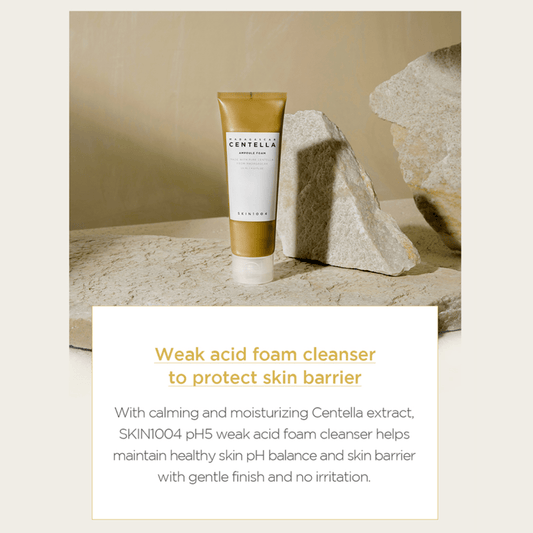
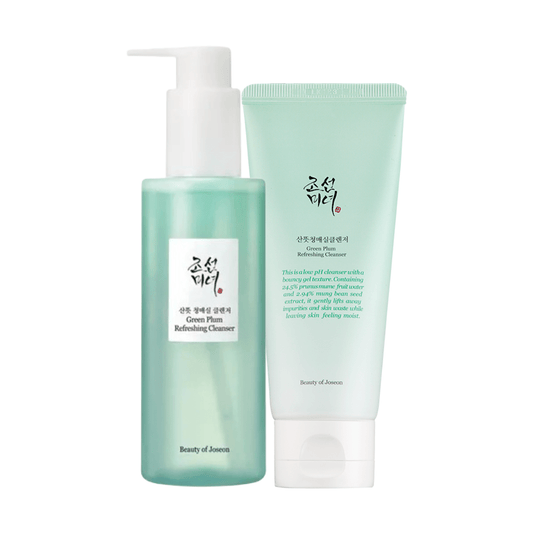
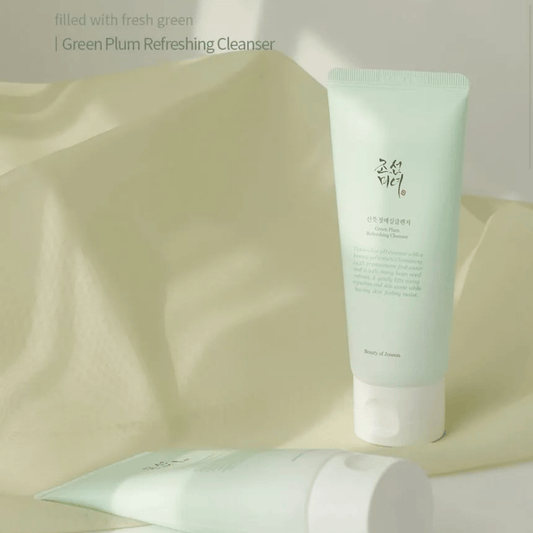







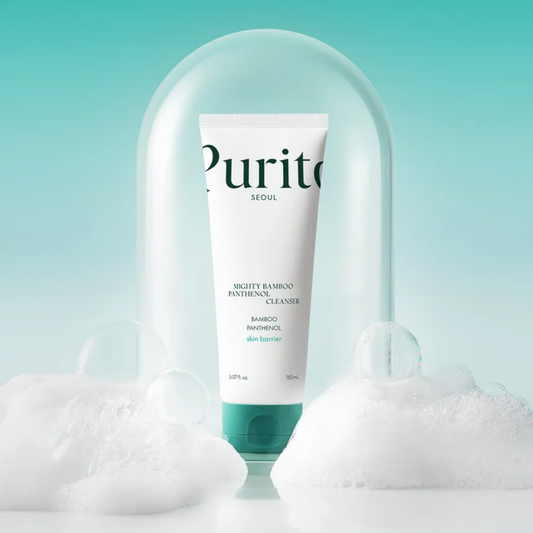

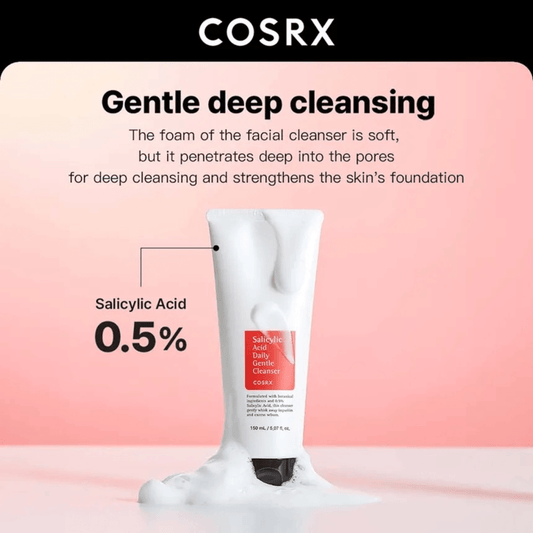
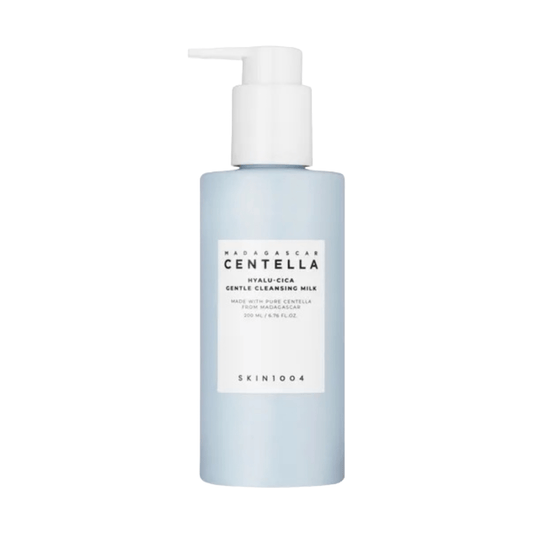
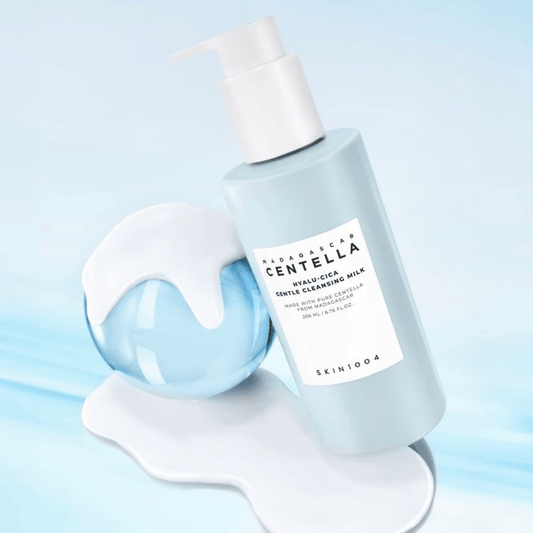

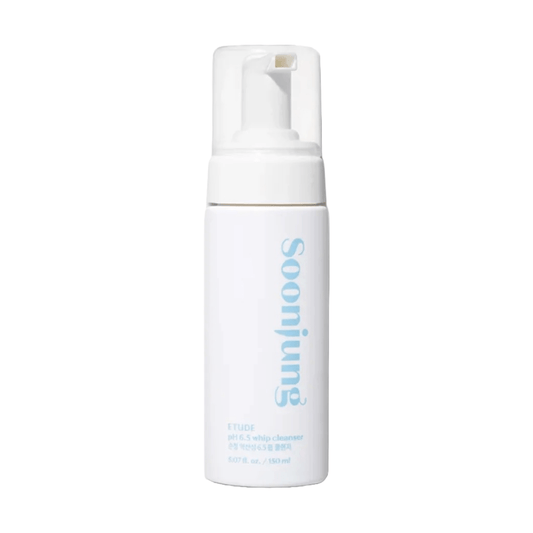

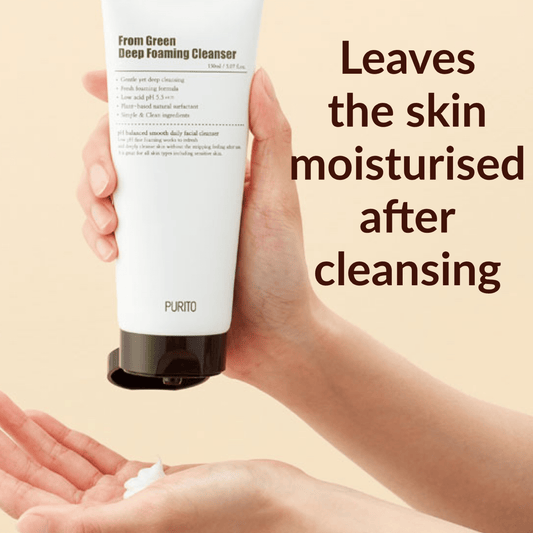

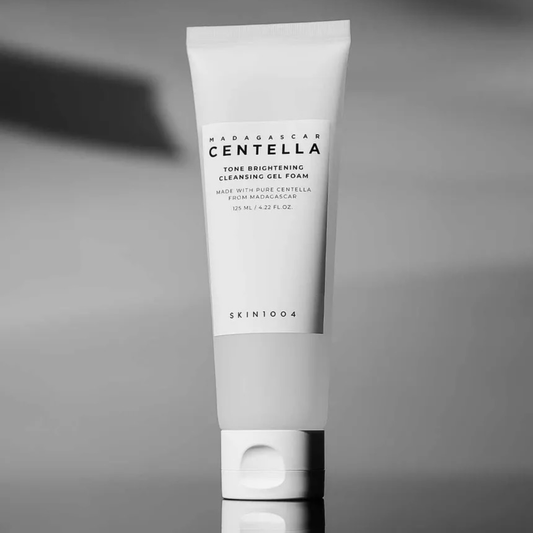
Cleansing is the step most likely to worsen dryness when done incorrectly. Harsh, high-pH cleansers strip the barrier's lipid layer and disrupt the slightly acidic surface that barrier enzymes need to function. For dry skin, this damage is cumulative: each stripping cleanse leaves the barrier slightly more compromised, making moisture retention harder and the skin more reactive to everything applied afterwards. Korean cleansers for dry skin are built to avoid this damage by using gentle surfactants and low-pH formulas.
What Dry Skin Needs in a Cleanser
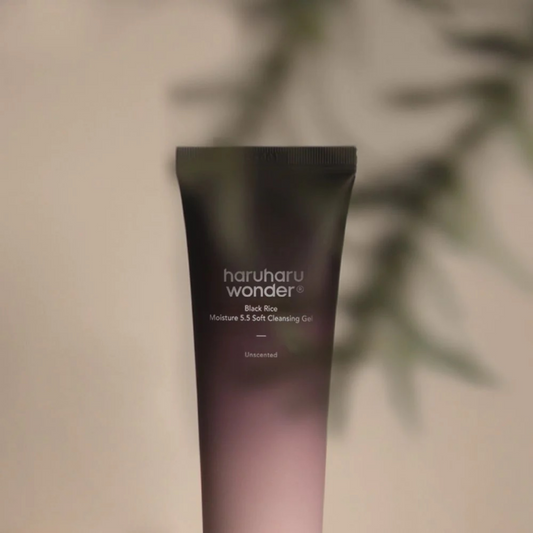
A cleanser for dry skin should have a pH close to 5.5 (the skin's natural acid mantle), use mild surfactants that lift impurities without stripping lipids, and ideally include some hydrating or emollient ingredients in the formula itself. Cream and milk cleansers deliver this combination naturally -- they use a lower-foaming surfactant system and often contain glycerin or other humectants that leave skin feeling soft rather than tight after rinsing. The test for any cleanser is how the skin feels thirty seconds after rinsing: tight means too harsh.
- Low pH (around 5.5) to protect barrier enzyme activity
- Mild surfactants that lift impurities without stripping lipids
- Cream or milk formats for best compatibility with dry skin
- Skin should feel soft, not tight, after rinsing
Why Foaming Cleansers Can Be Problematic
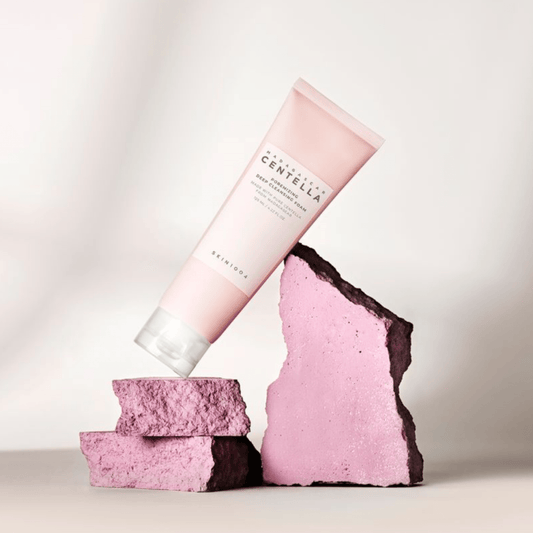
Foam requires more aggressive surfactants to produce, and these surfactants are more likely to disrupt the barrier lipids that dry skin already lacks. The perception that foam means cleanliness is a Western cosmetic habit rather than a reflection of how cleansers work -- a cream cleanser with mild surfactants can remove impurities just as effectively without the lipid cost. Korean skincare challenged the foam standard early, and K-beauty cleansers are now recognised globally for gentle effectiveness.
- High foam requires stronger surfactants that damage dry skin
- Foam level does not indicate cleaning effectiveness
- Cream and milk cleansers are gentler with equal cleaning ability
- K-beauty popularised the low-foam gentle cleanser category globally
Double Cleansing for Dry Skin
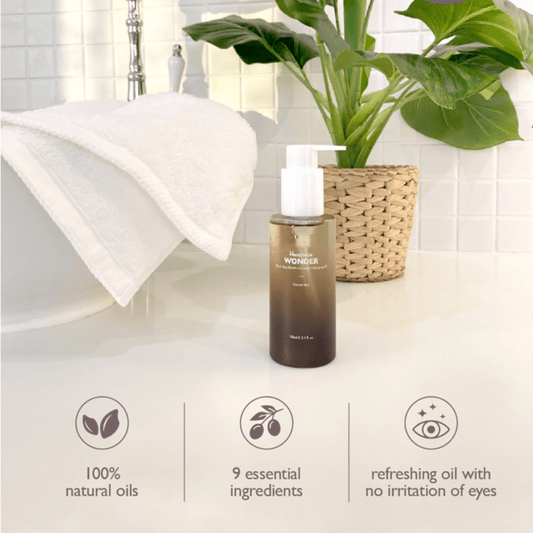
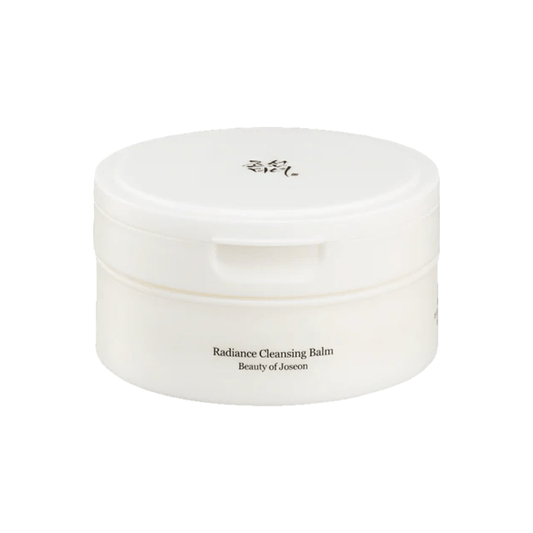
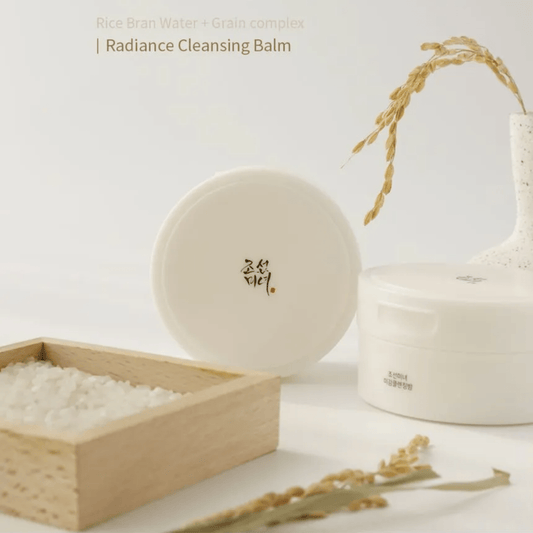
The Korean double-cleanse method uses an oil-based cleanser first (to remove makeup, sunscreen, and sebum) followed by a water-based cleanser (to clean the skin itself). For dry skin, double cleansing works well but both steps need to be gentle. An oil-based first cleanser -- balm or cleansing oil -- is naturally nourishing for dry skin, as it removes impurities using oil-dissolves-oil chemistry without any surfactant stripping. The second cleanser can be lighter, as the first step has already done the heavy work.
- Oil or balm cleanser first to remove sunscreen and makeup
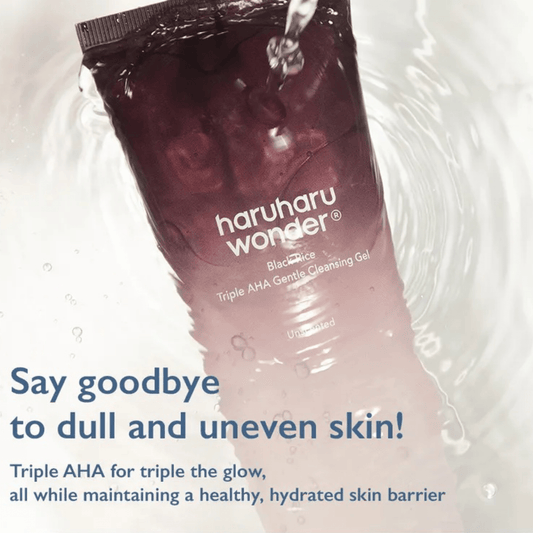
- Lighter cream or milk cleanser second to clean the skin
- Both steps should be gentle to protect dry skin's barrier
- Morning cleansing can often be water-only for dry skin
What to Avoid
Dry skin should avoid SLS (sodium lauryl sulfate) and SLES (sodium laureth sulfate) as primary surfactants -- these are effective but highly stripping. Sodium C14-16 olefin sulfonate and ammonium lauryl sulfate are similarly harsh. High-pH cleansers (above 7) disrupt the acid mantle. Cleansers with a high fragrance load can irritate dry, sensitive skin. Physical exfoliating particles in cleansers should be used sparingly and only in gentle formulations on dry skin.
- Avoid SLS and SLES as primary surfactants
- pH above 7 disrupts the acid mantle and barrier function
- High fragrance load irritates dry and sensitive skin
- Exfoliating particles only in gentle formulas, used sparingly
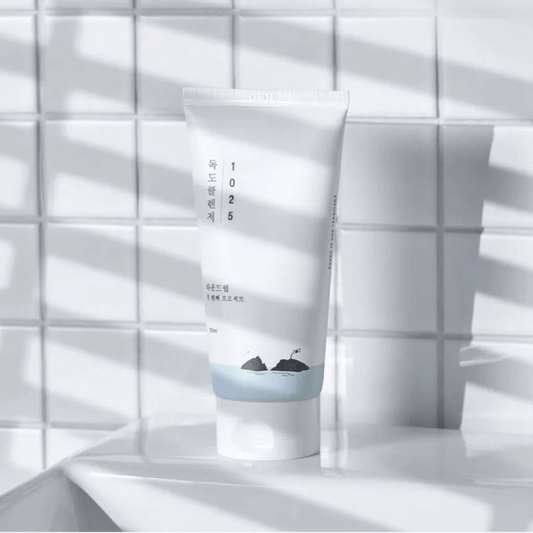
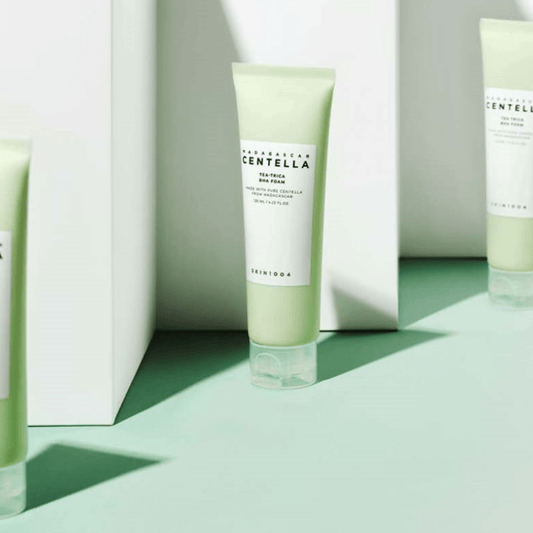
Browse the Korean cleansers for dry skin below -- cream and milk formulas with mild surfactant systems that clean without stripping the barrier.