
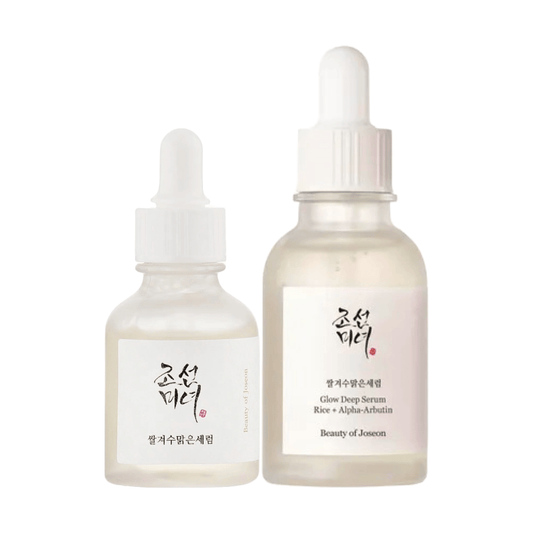
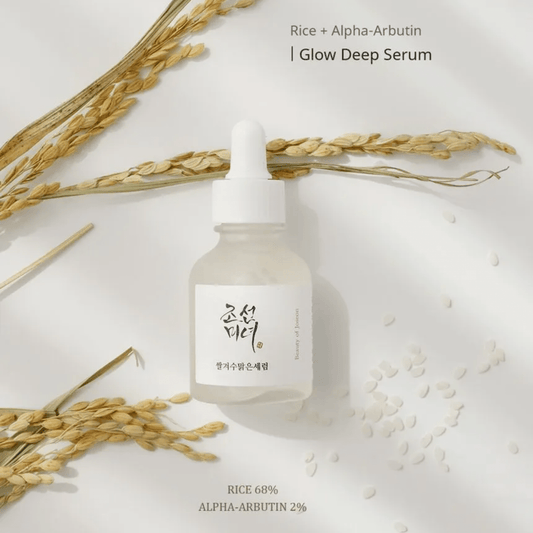

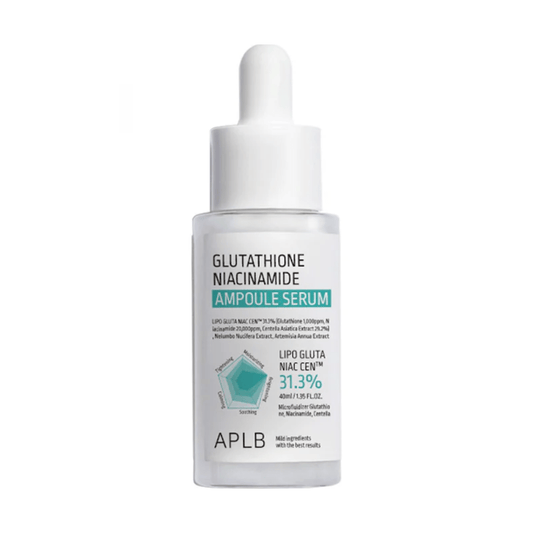
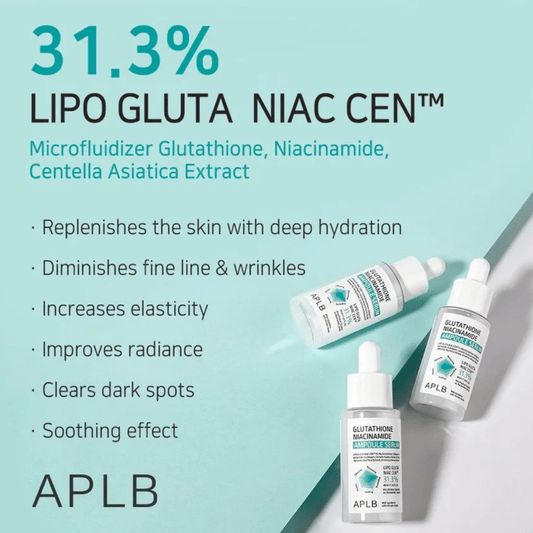

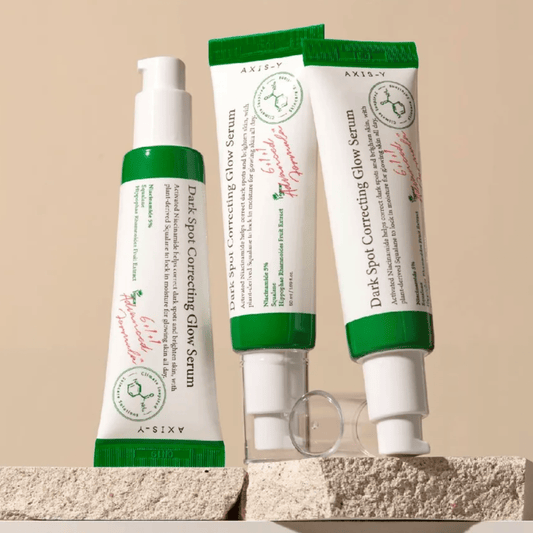


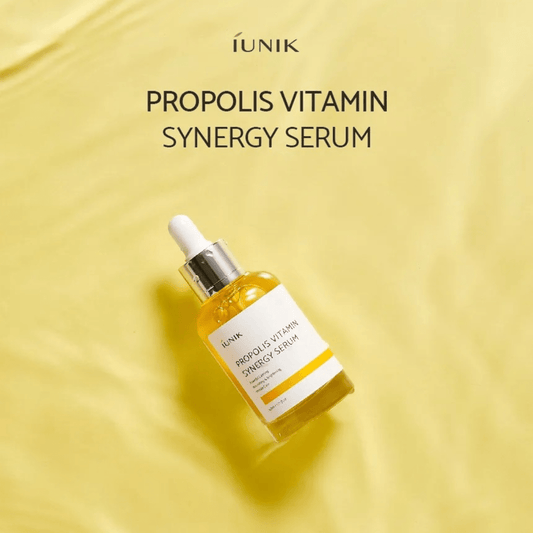

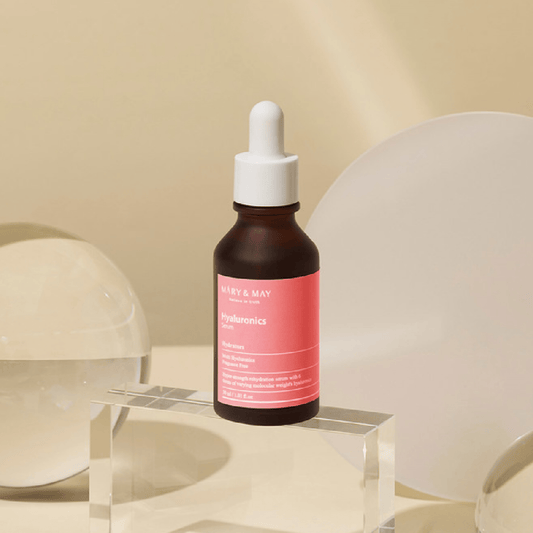

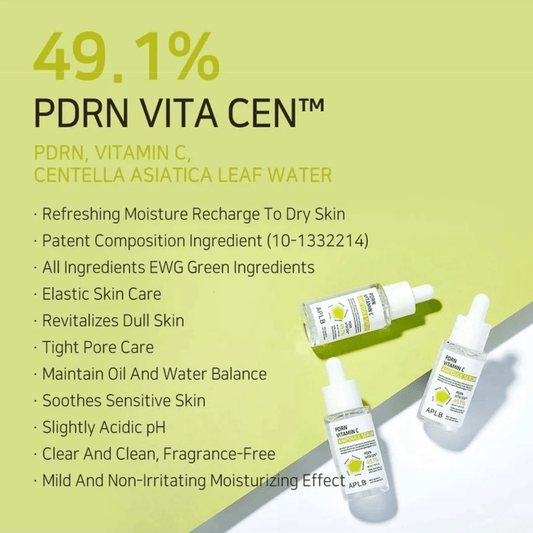

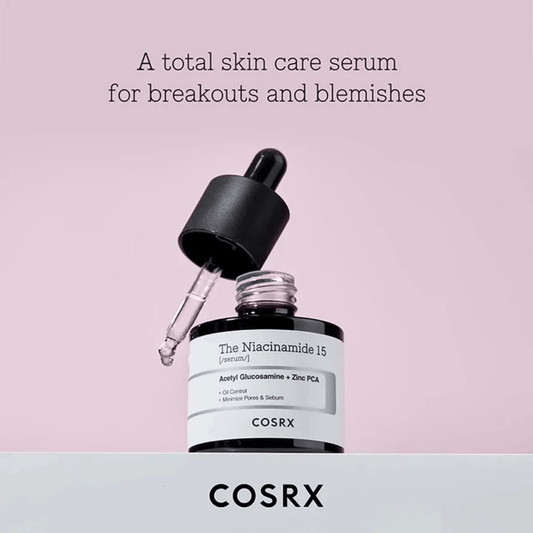

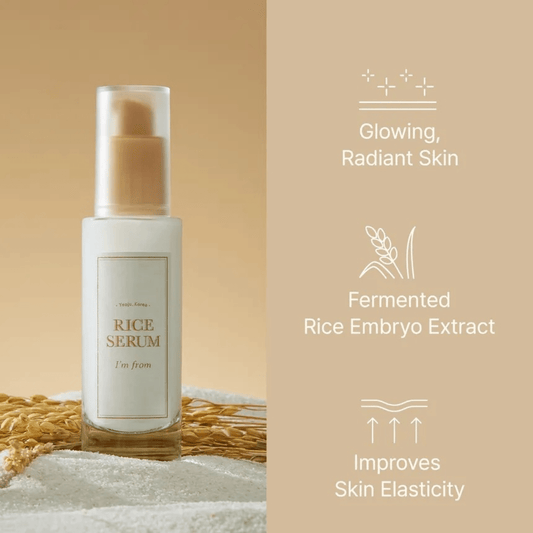

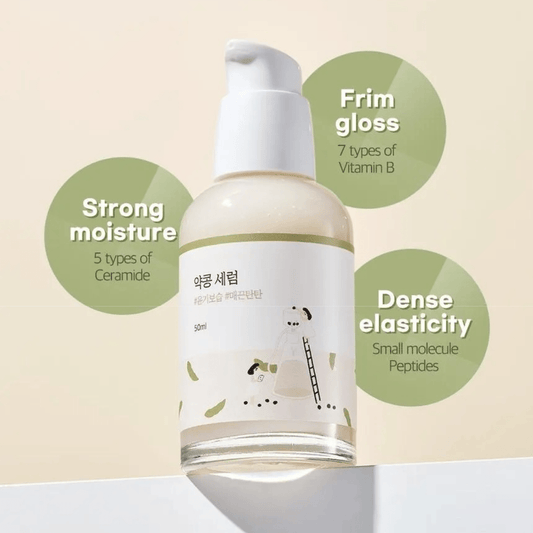

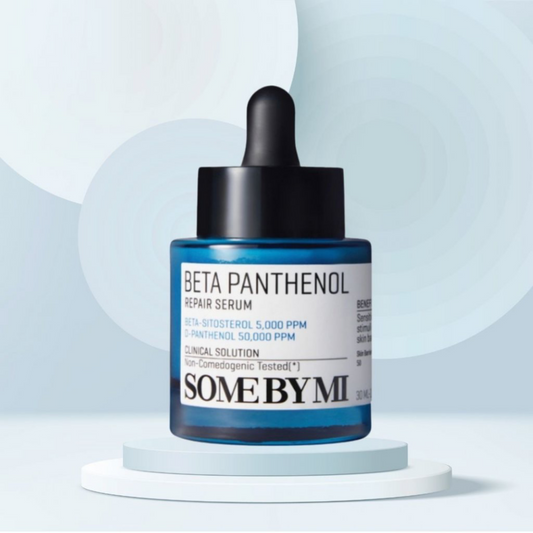
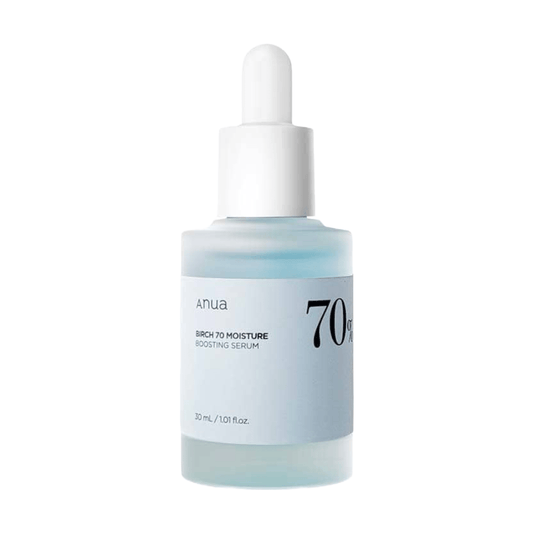
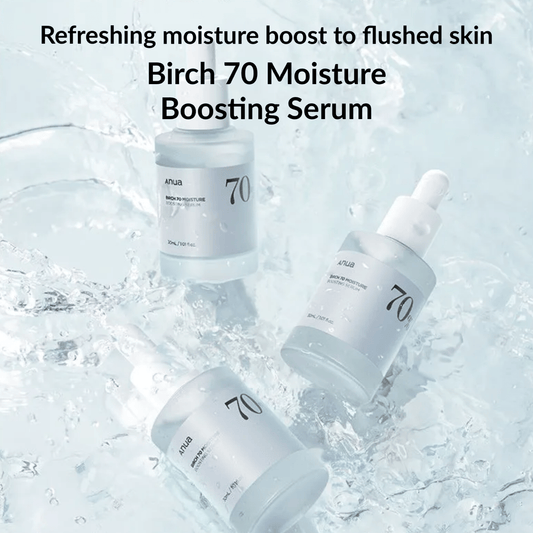
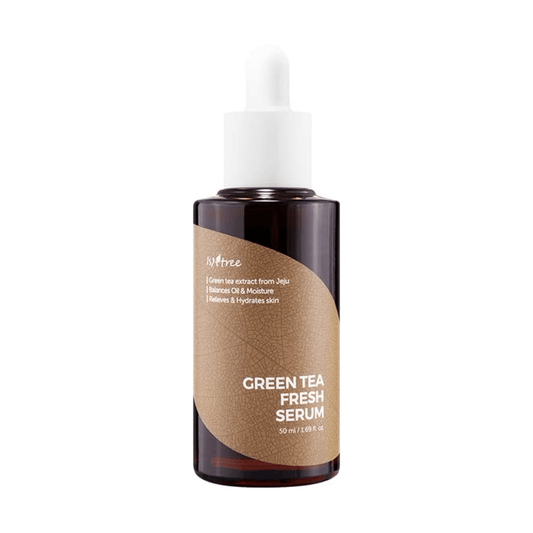
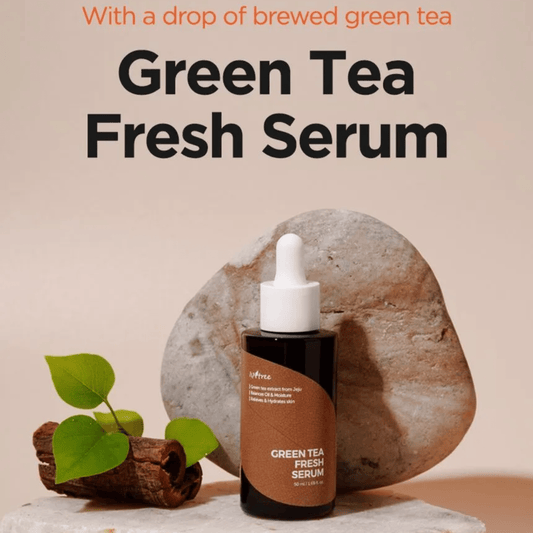
Fungal acne is caused by Malassezia. A yeast naturally present on skin that proliferates under certain conditions and causes uniform, itchy breakouts. K-Beauty Serums - Fungal Acne Safe are formulated without the ingredients that feed this yeast, making them a reliable choice for anyone managing a fungal-breakout prone skin type.
Which Serum Ingredients Are Not Fungal Acne Safe
Certain fatty acids are the main concern: lauric acid, myristic acid, and palmitic acid, found in many plant oils and some emollients, provide the lipid substrate that Malassezia feeds on. Fermented ingredients, despite their benefits for most skin types, can feed Malassezia in susceptible people. Many popular serum ingredients are safely non-feeding: niacinamide, hyaluronic acid, glycerine, centella, alpha-arbutin, and most water-based humectants are all Fungal Acne Safe. The key is verifying each ingredient rather than assuming any formula is safe. Checking the INCI (International Nomenclature of Cosmetic Ingredients) list on a brand's website gives a more complete picture than the marketing summary, and allows direct comparison of active concentrations across products.
- Lauric, myristic, and palmitic acids feed Malassezia
- Fermented ingredients can be problematic for some
- Niacinamide, hyaluronic acid, and centella are all safe
- Verify each ingredient. No regulatory safe label exists
How to Find a Fungal Acne Safe Serum
Check the full ingredient list against a reliable Fungal Acne Safe resource. There is no regulatory standard for this label, so manual verification is the only reliable method. Look for serums with short, water-based formulas and humectants like hyaluronic acid, glycerine, and sodium PCA. Avoid any serum with high levels of plant oils, certain fatty alcohol esters, or fermented ingredients until you have confirmed their safety for your skin. When in doubt, simpler formulas with well-known safe ingredients are the lower-risk choice. Apply the serum to clean, slightly damp skin and allow thirty to sixty seconds for the formula to fully absorb before applying moisturiser, this prevents dilution of the active layer and ensures it is sealed in effectively.
- Manual ingredient checking is the only reliable method
- Short, water-based formulas carry lower risk
- Avoid high-oil-content and fermented serums until verified
- Simpler formulas are easier to verify and safer overall
Are Korean Serums Generally Fungal Acne Safe
Korean serums are more often Fungal Acne Safe than Western ones because of the K-beauty preference for water-based, lightweight formulas over oil-rich ones. However, Korean skincare also heavily features fermented ingredients, which may not suit everyone with fungal breakout concerns. The popularity of snail mucin and galactomyces-based serums in K-beauty means ingredient verification is still necessary. The good news is that many of the most popular Korean serum actives, niacinamide, centella, hyaluronic acid, and tea tree, are all safe options. Korean skincare formulations are subject to Korean FDA (MFDS) cosmetic safety regulations, which require safety assessments before market release, providing a regulatory baseline that makes Korean products generally well-tested for tolerability.
- K-beauty water-based preference reduces but does not reduce risk
- Fermented ingredients are common in Korean serums, verify each
- Niacinamide, centella, and tea tree are all Fungal Acne Safe
- Verification is always needed despite Korean formula preferences
Browse the collection above. Every serum here is chosen to keep your routine safe. Effective, targeted, and fungal-breakout friendly throughout.