





An antimicrobial serum is not the same as an antibacterial cleanser, it works at a different level and through a more measured approach. Korean Serums for Antimicrobial reduce the microbial load on and within the skin in a way that is targeted and barrier-respecting, rather than wholesale stripping of everything on the surface including what the skin needs to stay healthy.
How Antimicrobial Serums Work
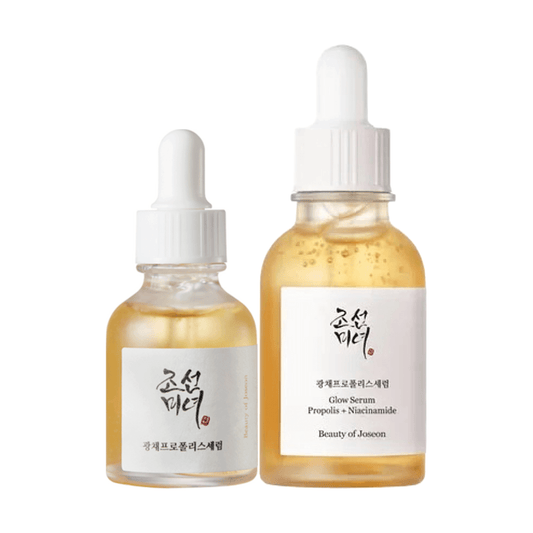
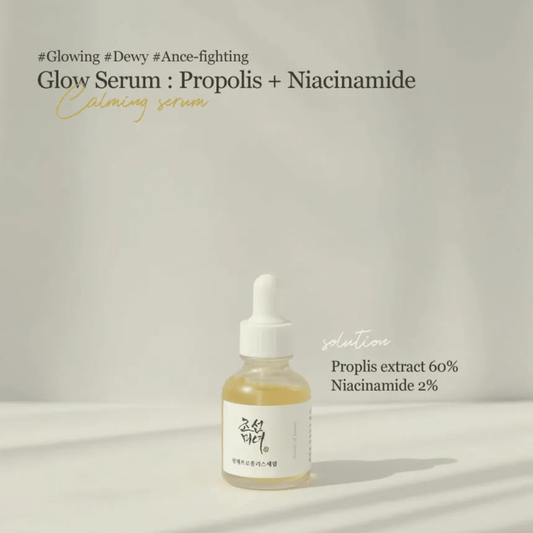
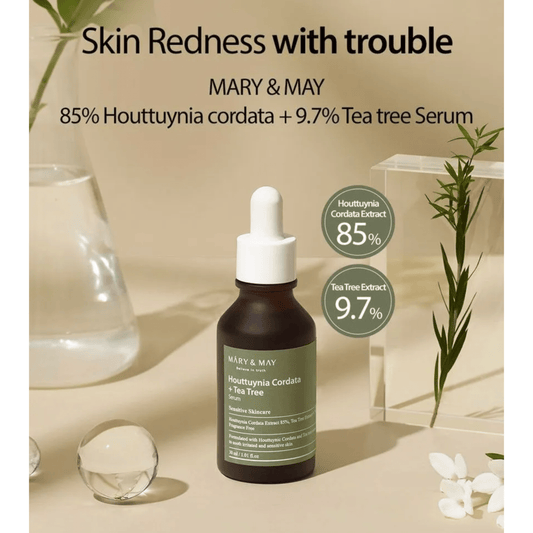
Korean antimicrobial serums typically work through one or more of these mechanisms: antimicrobial botanicals that directly reduce pathogenic bacteria, sebum regulation that reduces the substrate those bacteria feed on, and anti-inflammatory action that reduces the inflammatory response to bacterial activity. Tea tree oil reduces Cutibacterium acnes populations directly. Propolis has broad antimicrobial action alongside strong calming properties. Niacinamide regulates sebum to reduce the environment that supports bacterial overgrowth. Together, these mechanisms address the microbial issue comprehensively without the collateral damage that harsher approaches cause. Apply the serum to clean, slightly damp skin and allow thirty to sixty seconds for the formula to fully absorb before applying moisturiser, this prevents dilution of the active layer and ensures it is sealed in effectively.
- Tea tree directly reduces blemish-causing bacterial populations
- Propolis provides broad antimicrobial and calming action
- Niacinamide reduces sebum that feeds bacterial growth
- Multi-mechanism approach is more effective and less damaging
Which Serum Ingredients Have Antimicrobial Properties
Tea tree oil, terpinen-4-ol specifically, is the most potent Korean skincare antimicrobial ingredient, active against Cutibacterium acnes and Staphylococcus epidermidis. Propolis brings broad-spectrum antimicrobial action alongside skin-calming properties that make it particularly suitable for inflamed skin. Centella has mild antimicrobial properties alongside its well-known calming and repair benefits. Salicylic acid creates an environment within the pore that is less hospitable to bacterial growth, contributing to the antimicrobial effect through pH modulation rather than direct bacterial action. Checking the INCI (International Nomenclature of Cosmetic Ingredients) list on a brand's website gives a more complete picture than the marketing summary, and allows direct comparison of active concentrations across products.
- Tea tree terpinen-4-ol, potent and targeted against blemish bacteria
- Propolis, broad spectrum with calming properties
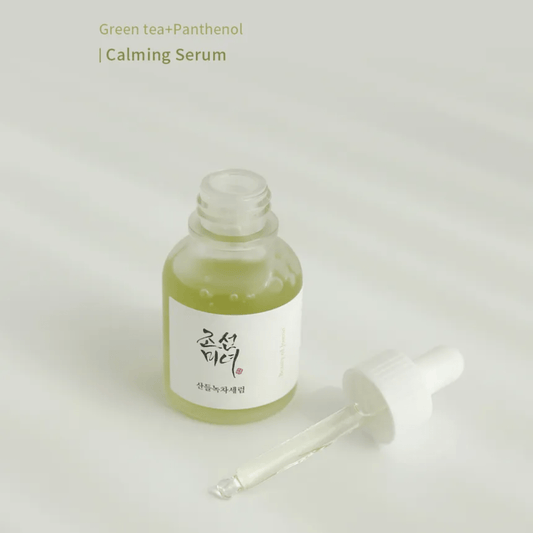
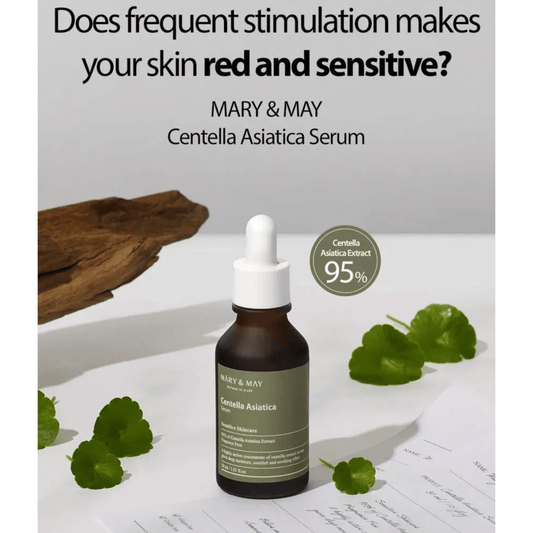
- Centella, mild antimicrobial alongside calming and repair
- Salicylic acid, indirect antimicrobial through pH modulation
Can You Use an Antimicrobial Serum Every Day
A well-formulated antimicrobial serum at appropriate concentrations can be used daily for most skin types. Tea tree at low serum concentrations is well-tolerated twice daily for non-sensitive skin. Propolis serums are gentle enough for twice-daily use even on mildly sensitive skin. For very reactive or eczema-prone skin, once daily is a safer starting point. Always pair with a hydrating moisturiser to support the barrier alongside the antimicrobial action, dry, stripped skin is more vulnerable to bacterial colonisation, not less. A buffer layer, applying moisturiser between an active and a sensitive area, reduces the concentration of actives reaching the most reactive skin zones while still allowing the rest of the face to receive full treatment.
- Low-concentration formulas are well-tolerated daily for most
- Tea tree and propolis suit twice-daily use on non-reactive skin
- Very reactive skin should start with once-daily application
- Always moisturise after, barrier health supports antimicrobial effectiveness
Explore the full range above and find the Antimicrobial serum that matches your skin and your routine. Gentle, consistent antimicrobial care is more effective than aggressive, occasional treatment.