

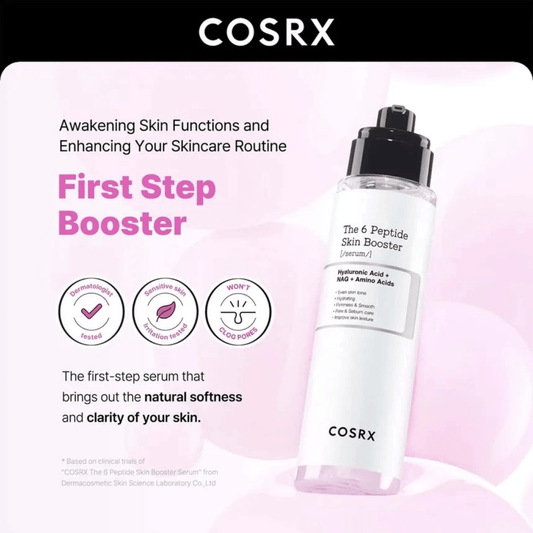


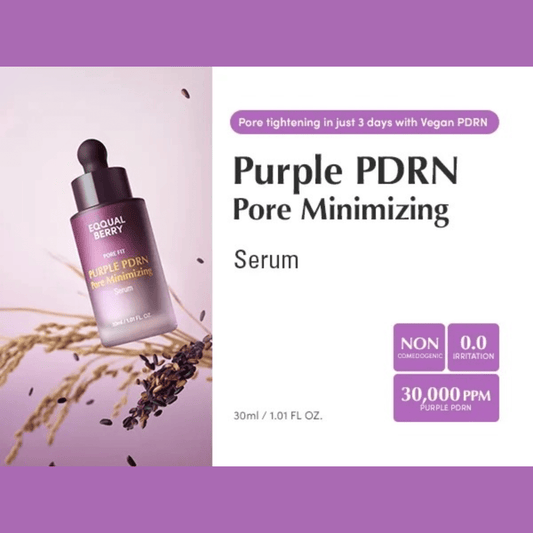


For skin that congests easily, the serum step can be the source of the problem rather than the solution, heavy emollients, certain oils, and specific silicones in poorly matched formulas can contribute to the blockages that cause breakouts. Korean Serums - Non Comedogenic are chosen to avoid this entirely: effective, targeted treatment with pore health as a baseline requirement.
What Non Comedogenic Means in a Serum
Non Comedogenic means built without ingredients known to clog pores. In serum context, this primarily concerns the base and emollient components: oils high in saturated fatty acids, certain wax esters, and some silicones carry varying comedogenicity risk. The active ingredients in serums, niacinamide, salicylic acid, hyaluronic acid, centella, are essentially all non-comedogenic. The risk comes from the vehicle: heavy emollients designed for dry skin do not belong in serums intended for congestion-prone types, regardless of how beneficial the actives are. Look for clinical or consumer study data on the brand's product page, reputable Korean skincare brands routinely provide this, and it gives a more reliable indication of real-world performance than ingredient-list analysis alone.
- Non Comedogenic refers primarily to base and emollient components
- Active ingredients like niacinamide and hyaluronic acid are non-comedogenic
- Risk comes from heavy emollients in poorly matched formulas
- Water-based serums carry the lowest comedogenic risk
Which Serum Ingredients Are Most Likely to Clog Pores
Isopropyl myristate and isopropyl palmitate are among the most consistently comedogenic serum additives. Coconut oil-derived ingredients, including caprylic/capric triglyceride at high concentrations, carry some risk. Wheat germ oil is highly comedogenic. Lanolin-derived emollients and certain silicone blends have moderate risk. For oily and blemish-prone skin, checking for these ingredients in a serum formula is a worthwhile step, particularly for any serum with an oil-forward or rich, emollient texture that might suggest their presence. Checking the INCI (International Nomenclature of Cosmetic Ingredients) list on a brand's website gives a more complete picture than the marketing summary, and allows direct comparison of active concentrations across products.
- Isopropyl myristate and palmitate are high-risk emollients
- Wheat germ oil is consistently comedogenic
- Coconut-derived triglycerides carry moderate risk at high concentrations
- Rich, oil-forward textures are a signal to check the ingredient list
How to Find a Truly Non Comedogenic Serum
Check the ingredient list against a reliable comedogenicity reference. The label alone is not sufficient, it is not regulated. Water-based serums with simple humectant formulas are the safest starting point for congestion-prone skin. For targeted treatment, look for serums where niacinamide, salicylic acid, or centella are the main actives and the base is clearly lightweight and water-dominant. Patch testing on a congestion-prone area, forehead or chin, for two weeks is the most reliable personal verification method. Apply the serum to clean, slightly damp skin and allow thirty to sixty seconds for the formula to fully absorb before applying moisturiser, this prevents dilution of the active layer and ensures it is sealed in effectively.
- Non Comedogenic label is not regulated, check the ingredient list
- Water-based serums with simple humectants are safest
- Niacinamide and salicylic acid as actives, both non-comedogenic
- Two-week patch test on a congestion-prone area for personal verification
Browse the full collection above. Non Comedogenic serums make the treatment step safe for pore-prone skin, effective, targeted, and supporting rather than setting back your skin goals.