



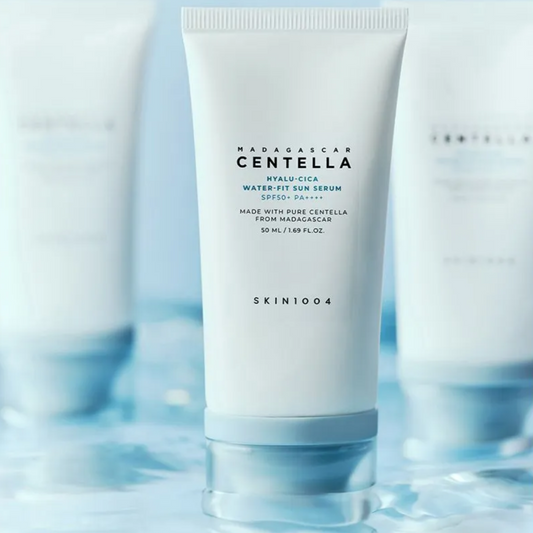

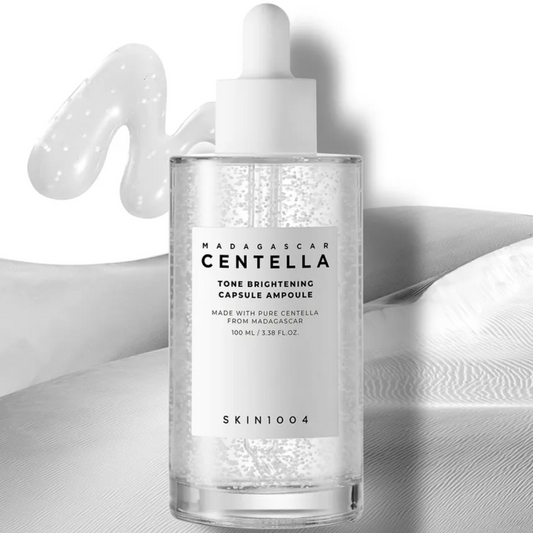
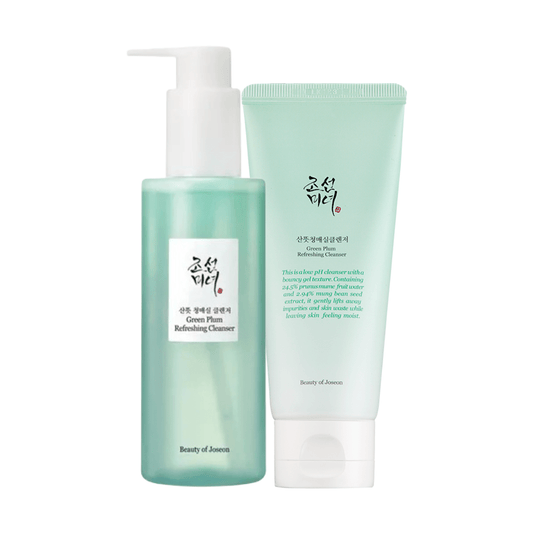



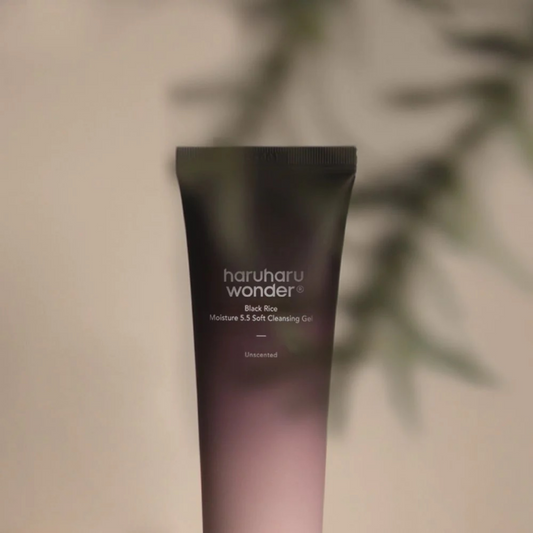

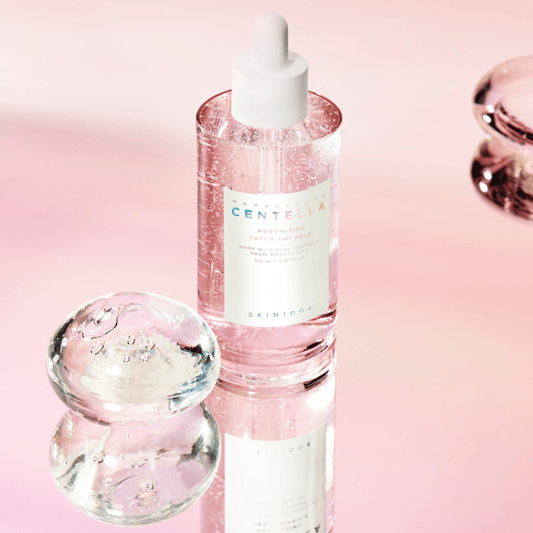

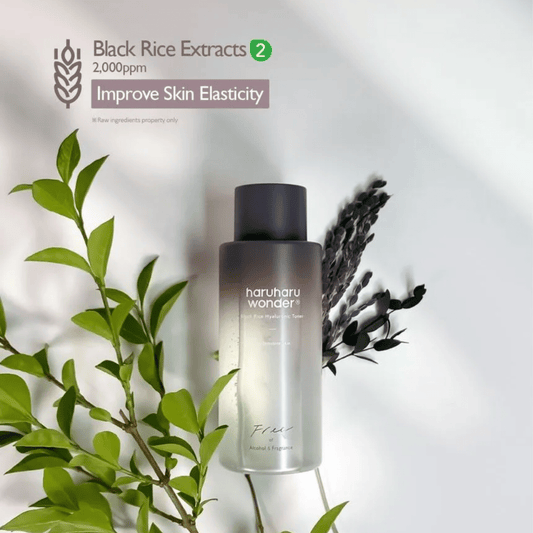
Sensitivity means the skin reacts to things that others barely notice: new products, temperature changes, wind, stress. Soothing K-Beauty for Sensitivity gathers Korean formulas that respect this reality: fragrance-free, minimal, and built around calming ingredients with long safety records. These are products you can rely on, not just try once.
What Makes a Soothing Product Safe for Very Sensitive Skin
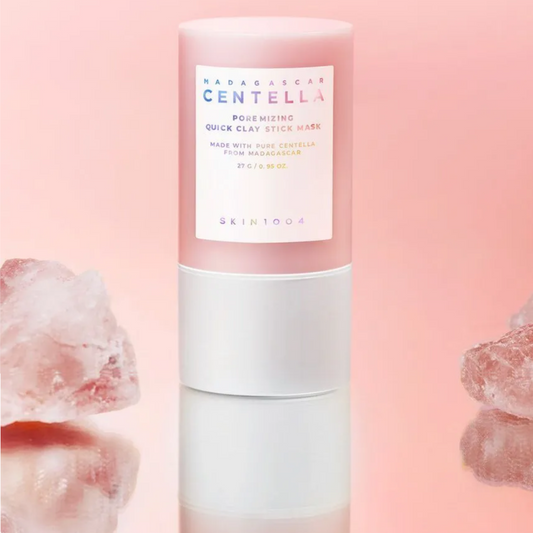
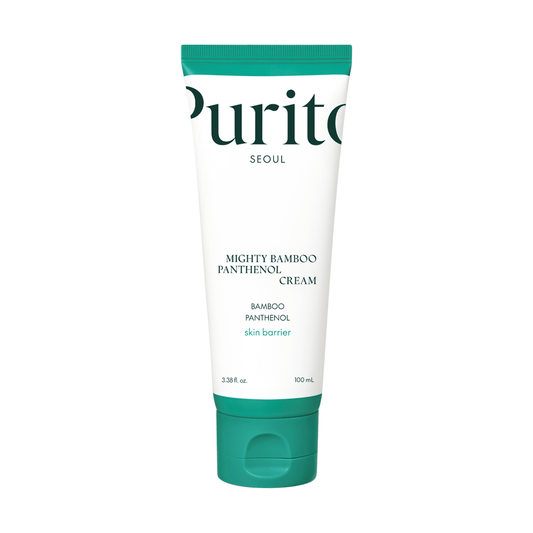
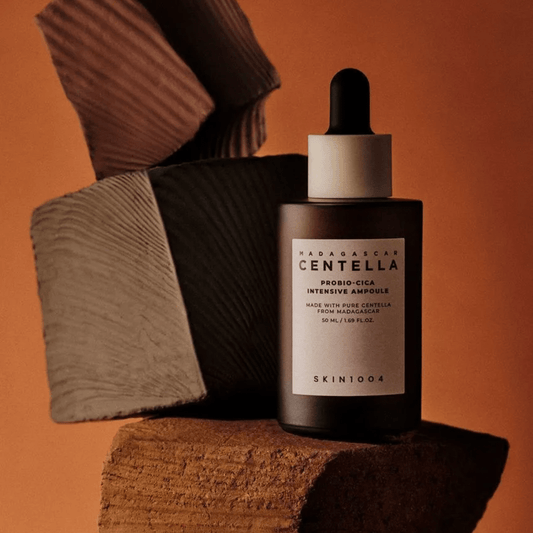
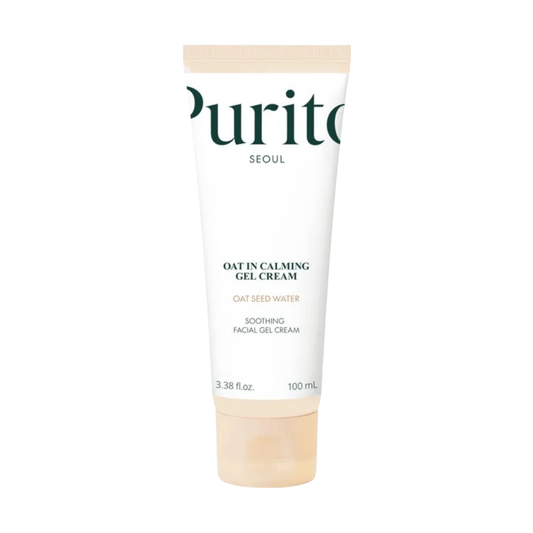
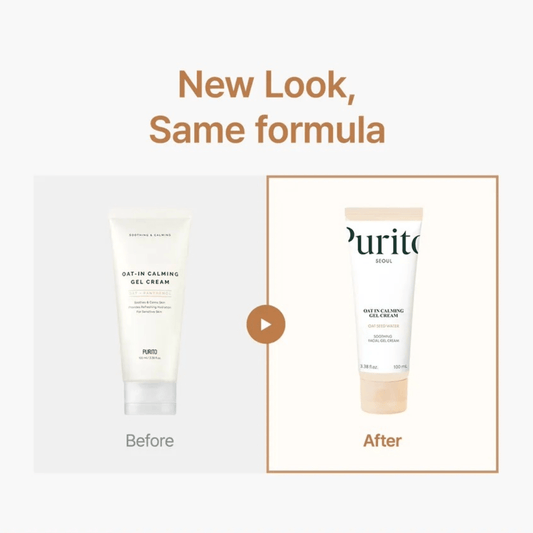
Safety for very sensitive skin comes down to ingredient selection and formulation choices. Fragrance (both synthetic and natural) is one of the most common triggers for sensitivity reactions and should be absent. Alcohol denat., which strips the barrier, is another ingredient to avoid. The core calming ingredients (centella asiatica, panthenol, allantoin, ceramides) all have strong safety records across diverse skin types. Short ingredient lists reduce the chance of encountering something the skin disagrees with. Korean dedicated sensitive-skin lines like Etude House SoonJung and Purito build their formulas around exactly these principles.
- Fragrance-free: no synthetic or natural fragrance
- No alcohol denat. that strips the barrier
- Proven calming ingredients with strong safety records
- Short ingredient lists reduce risk
How Korean Soothing Formulas Differ for Sensitivity
Korean sensitivity-focused formulas tend to be simpler and more restrained than many Western alternatives. Where Western calming products sometimes include a long list of botanical extracts alongside calming actives, Korean brands tend to choose fewer ingredients and select them carefully. The Korean "skip care" philosophy (using multi-tasking minimal products) originated partly as a response to the needs of reactive and sensitive skin. Textures are typically lighter and less occlusive, which reduces the risk of suffocating already-stressed skin while still delivering calming hydration.
- Simpler formulas with fewer ingredients
- Skip care philosophy supports minimal routines
- Lighter textures avoid suffocating reactive skin
- Multi-tasking products reduce how many you need
How to Introduce Soothing Products into a Sensitive Skin Routine
The safest approach is to introduce one new product at a time, with at least a week between additions. Patch test on the inner arm or behind the ear before applying to the face. Start with the most foundational product first (a gentle cream cleanser, then a soothing moisturiser) and add treatment products only once the skin is stable. A consistent minimal routine is more valuable than a full multi-step routine that includes products the skin cannot tolerate. Resist the urge to add multiple products at once, even if they are all gentle.
- One new product at a time, one week between additions
- Patch test before applying to the full face
- Start with cleanser and moisturiser, then add treatment
- Consistent minimal routine beats a complex unstable one
Ingredients Sensitive Skin Should Avoid in Soothing Products
Fragrance (synthetic or natural) tops the list for most sensitive skin types. Essential oils, even those marketed as calming, can be significant irritants for reactive skin. Alcohol denat. strips the barrier and worsens sensitivity. High-concentration exfoliating acids should wait until the skin is stable. Even some plant extracts widely considered "natural" and "gentle" cause reactions in some individuals. The most reliable approach is a simplified routine centred on proven ingredients, with all additions tested carefully.
- Fragrance: synthetic and natural
- Essential oils including lavender and rose
- Alcohol denat. in significant concentrations
- Exfoliating acids until skin is fully stable
Browse the collection above and start with the most minimal option. Sensitive skin responds best to steady, gentle care rather than quick fixes.