



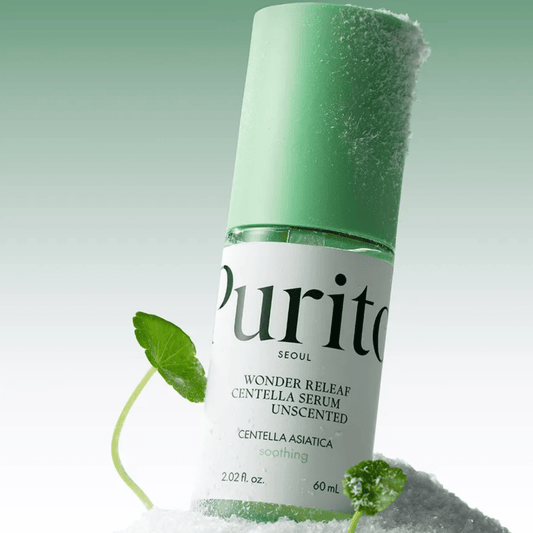

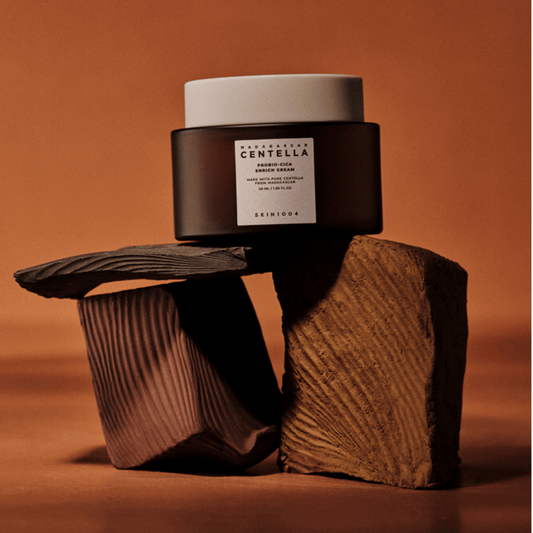

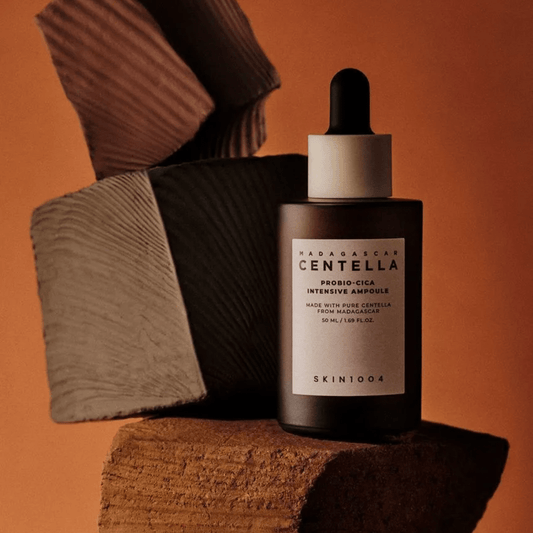
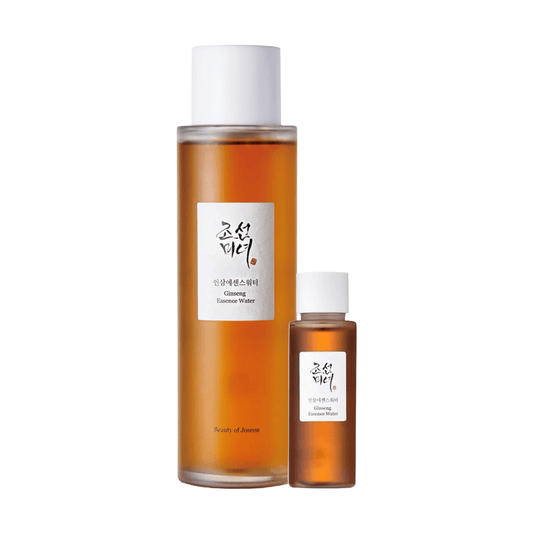
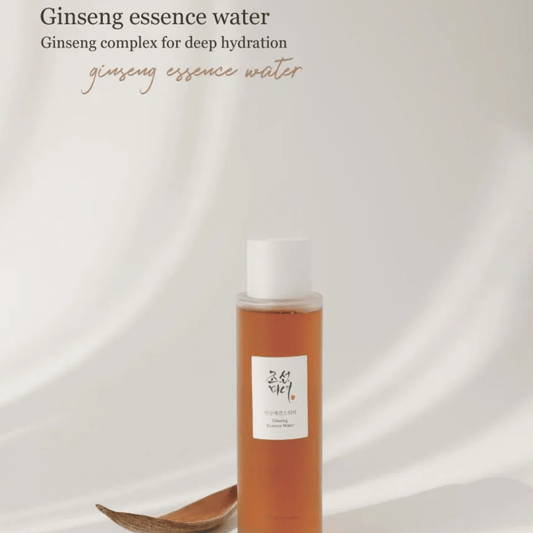
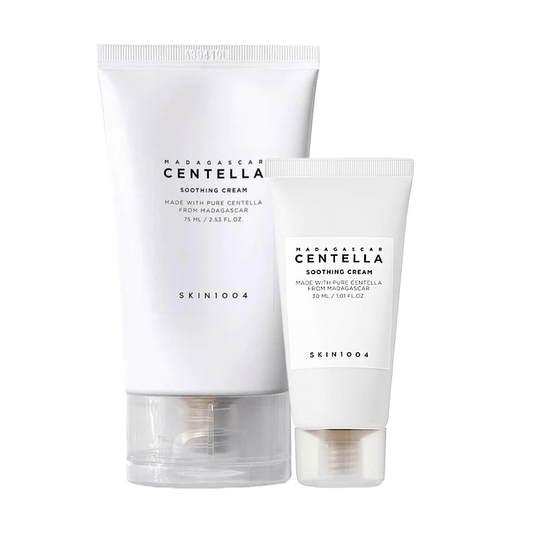
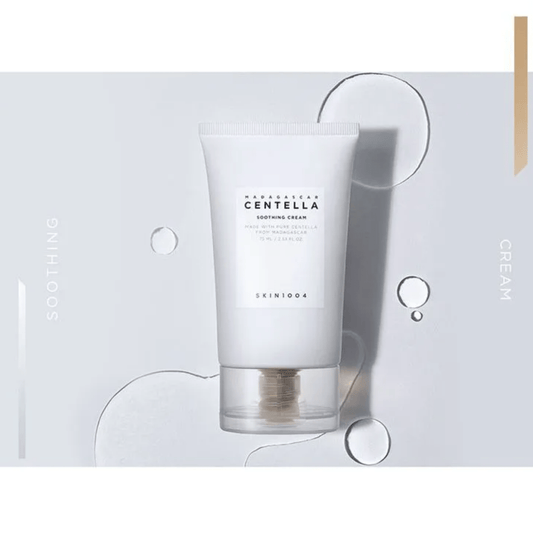


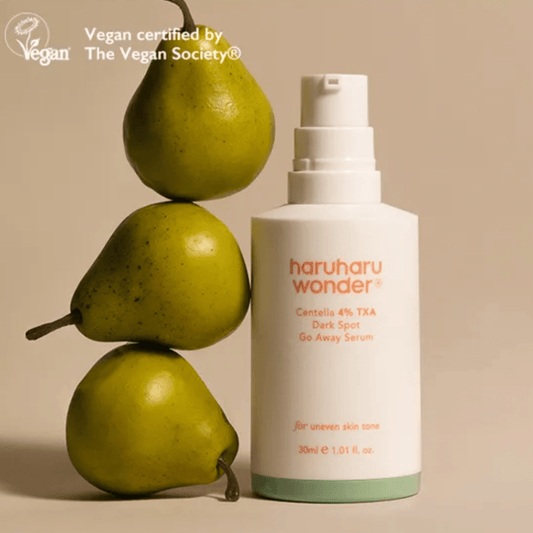



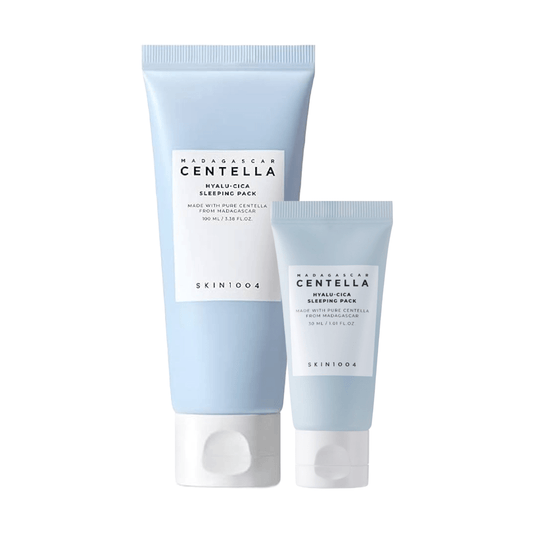
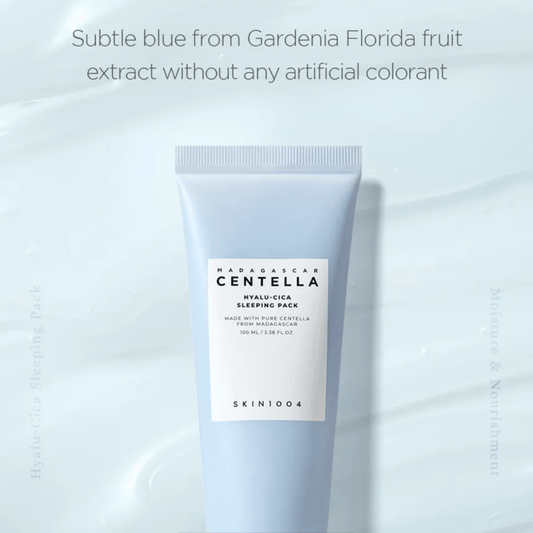

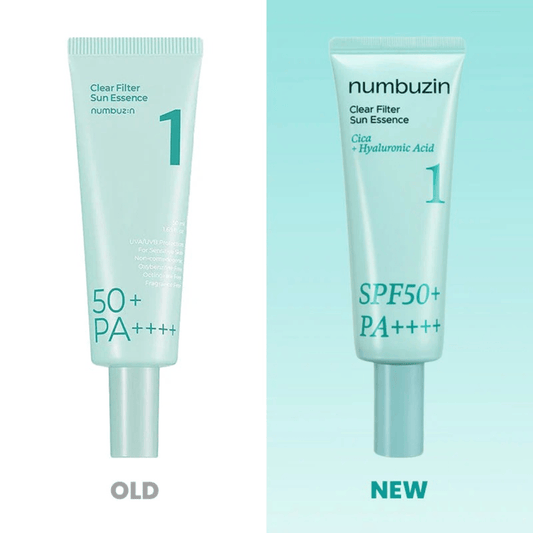
Soothing K-Beauty for Redness targets this chain of events at multiple points: reducing the inflammation that produces redness, rebuilding the barrier that lets irritants trigger it, and supporting the skin's own recovery between flare-ups. Korean skincare has developed the most effective and most gentle toolkit for this problem, refined through decades of formulating specifically for reactive skin types.
What Causes Persistent Redness in Sensitive Skin
Persistent facial redness is usually driven by a combination of barrier dysfunction, chronic low-level inflammation, and vascular reactivity. A compromised barrier allows environmental triggers (temperature, pollution, ingredients) to reach the skin's immune cells more easily, triggering inflammatory responses that dilate blood vessels and produce redness. This becomes self-reinforcing: inflammation weakens the barrier further, creating more vulnerability. Korean soothing care breaks this cycle by addressing both the inflammation and the barrier damage simultaneously, rather than treating redness as a surface cosmetic issue.
- Barrier dysfunction allows triggers to reach immune cells
- Chronic inflammation dilates blood vessels
- The cycle is self-reinforcing without targeted intervention
- Korean care addresses inflammation and barrier together
Korean Ingredients Most Effective for Redness Reduction
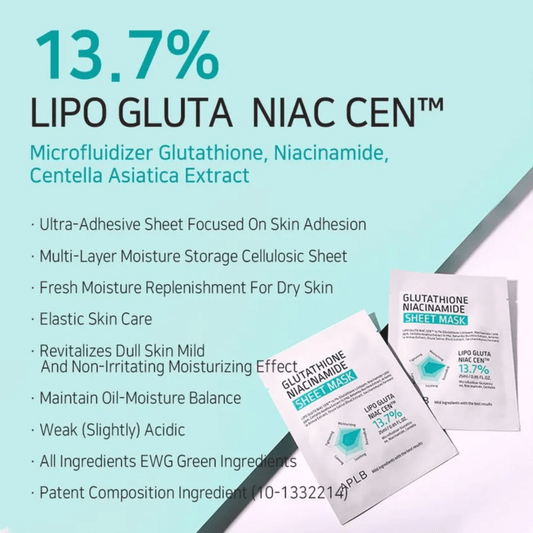
Centella asiatica, particularly madecassoside, provides the most direct anti-inflammatory action on redness-causing pathways. Niacinamide reduces inflammation and inhibits the melanin transfer that produces post-redness marks, and also strengthens the barrier through ceramide production. Beta-glucan from oats or mushrooms calms the immune response that triggers vessel dilation. Liquorice root extract (glycyrrhizin and glabridin) has both anti-inflammatory and skin-lightening properties, helping with both active redness and the residual marks it leaves. Panthenol supports cell recovery and moisture retention through the healing process.
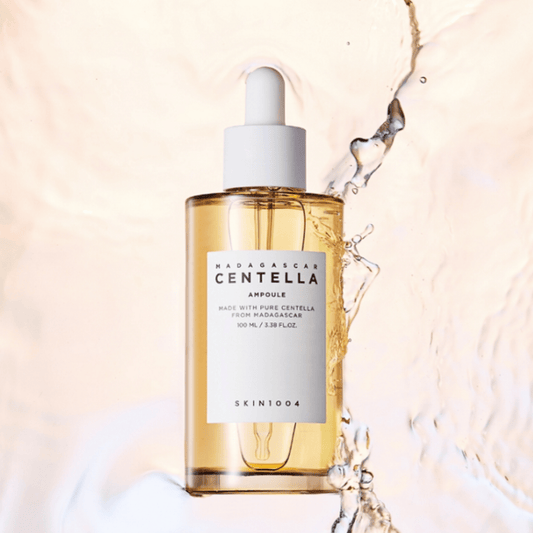
- Madecassoside: direct action on redness-causing inflammation
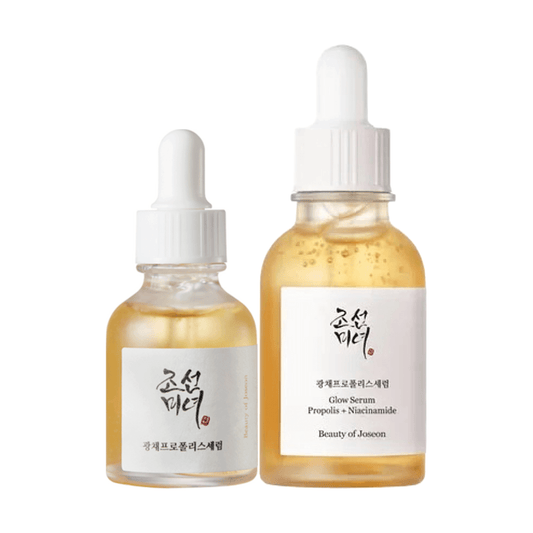
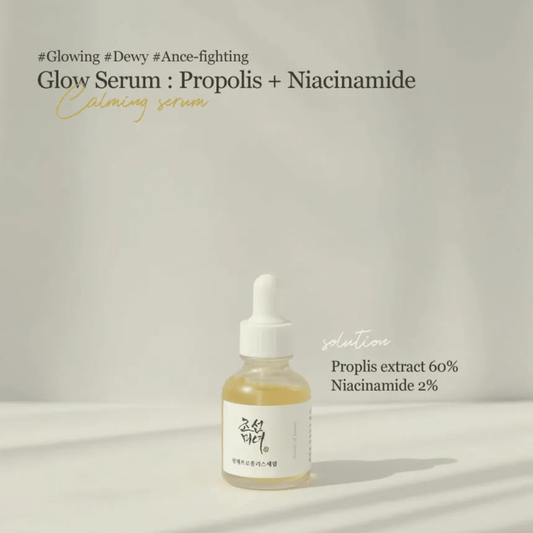
- Niacinamide: barrier strength and post-redness mark reduction
- Beta-glucan: calms the immune response driving vessel dilation
- Liquorice root: anti-inflammatory and mark-reducing
How to Build a Routine for Redness-Prone Reactive Skin
A redness-focused Korean routine prioritises barrier rebuilding at every step. A gentle, fragrance-free cream cleanser avoids triggering further redness. A centella or beta-glucan toner delivers immediate calming to freshly cleansed skin. A niacinamide or centella serum in the treatment step addresses the underlying inflammation. A ceramide-rich calming cream seals the routine and maintains barrier integrity through the day or overnight. SPF is essential and must be fragrance-free and chemical-filter-free for redness-prone skin: mineral SPF with zinc oxide is preferred. Keep the routine short: five well-chosen steps outperform ten poorly-selected ones.
- Fragrance-free at every step without exception
- Centella or beta-glucan toner immediately after cleansing
- Ceramide cream as the closing moisture step
- Mineral SPF with zinc oxide: preferred for redness-prone skin
What Results to Expect from Soothing Products for Redness
Active redness from recent irritation typically eases within one to three days of consistent soothing care. Background redness, the persistent baseline flush of chronically reactive skin, reduces over four to eight weeks as barrier function improves and inflammation decreases. Post-redness marks (the brownish or pinkish residue left after a flare-up) improve over six to twelve weeks with consistent niacinamide and liquorice root use. Skin that has been consistently soothed becomes less reactive over time: it requires less to trigger a response and recovers faster when it does react.
- Active redness eases within one to three days
- Background flush reduces over four to eight weeks
- Post-redness marks improve over six to twelve weeks
- Consistent soothing care reduces baseline reactivity over time
Browse the full collection above to find the right Korean approach for redness-prone skin. Consistent care is the most effective treatment.