
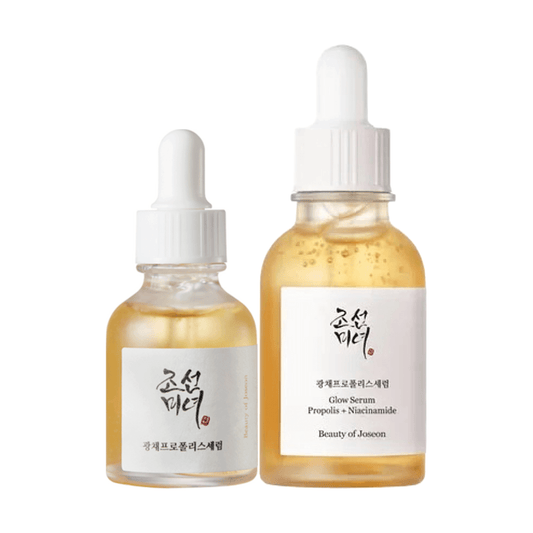
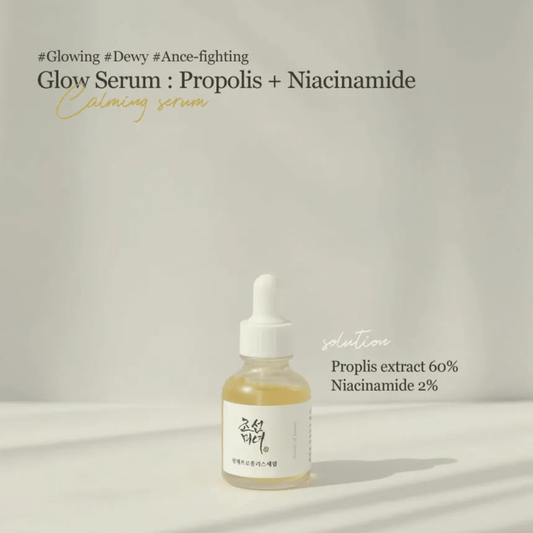

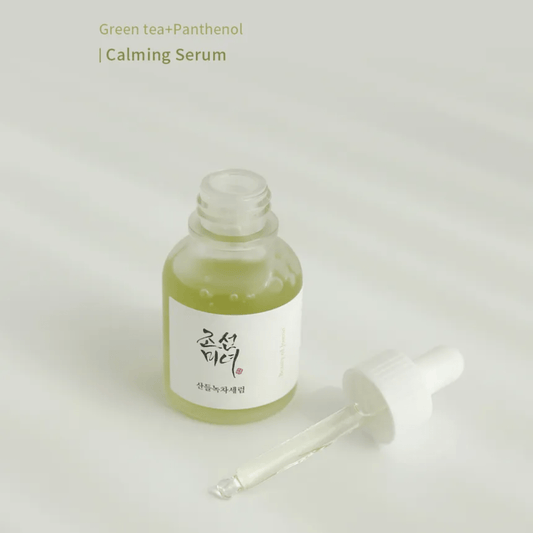

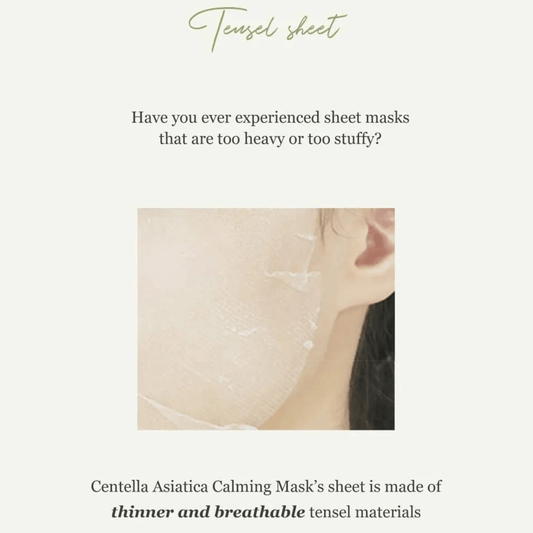

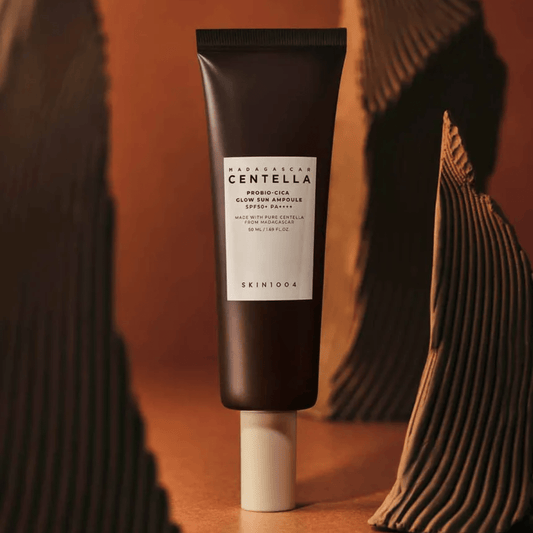


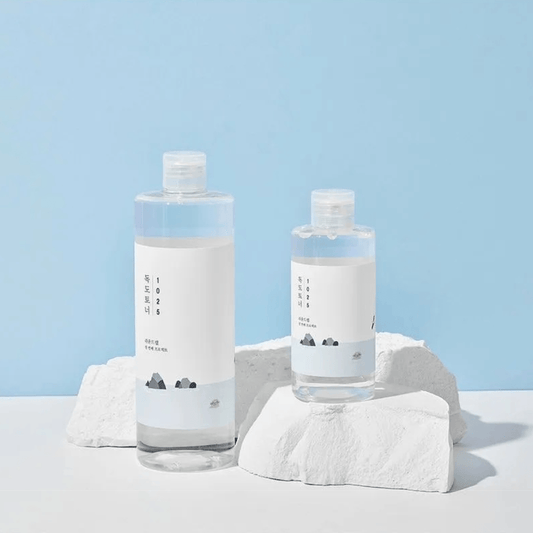

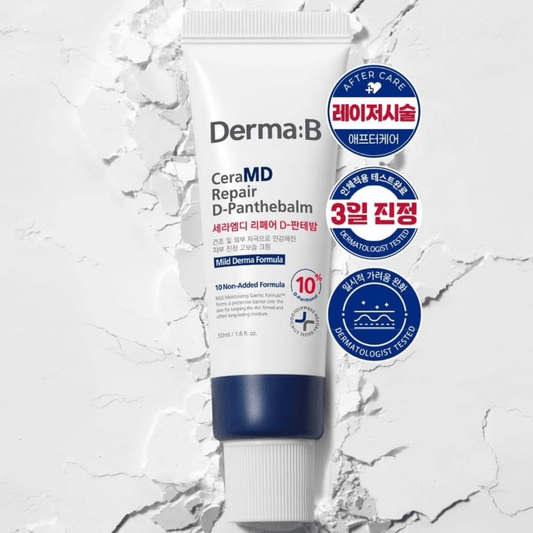

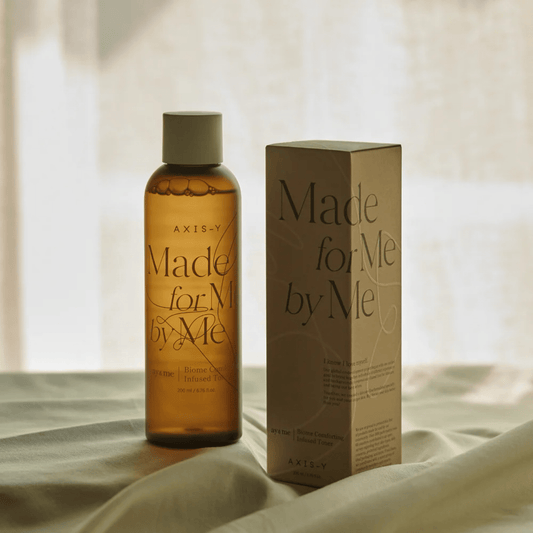

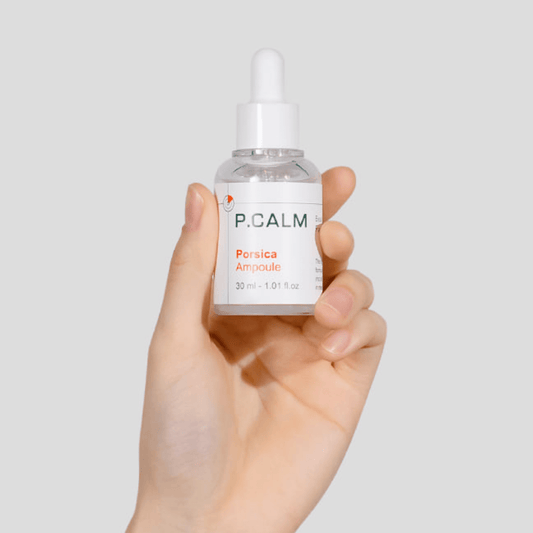

Soothing K-Beauty for Reactive Skin speaks directly to a pattern many people recognise: skin that flares with little warning, stings on contact with new products, and takes longer to settle than it should. K-beauty's barrier-first, ingredient-minimal approach is particularly well suited to this skin pattern. The products here prioritise calming botanicals, gentle textures, and formulas built around tolerance, not trend.
Understanding What Reactive Skin Needs
Reactive skin has a compromised or thin barrier that allows irritants to penetrate easily, triggering an over-active inflammatory response. Nerve endings near the skin surface are sensitive and quick to signal discomfort. The priority is to reduce that sensitivity by reinforcing the barrier with ceramides, panthenol, and calming botanicals and by removing the triggers that keep the inflammatory cycle going. A minimal routine with well-tolerated ingredients is the fastest route to a calmer, steadier skin baseline. Consistency matters more than complexity here.
- Strengthen the barrier with ceramides
- Use panthenol to reduce surface sensitivity
- Choose fragrance-free, minimal-ingredient formulas
- Keep the routine short and consistent
- Prioritise tolerance over trend
Ingredients That Reactive Skin Trusts
K-beauty's herbal calming tradition delivers several ingredients that reactive skin responds well to. Centella asiatica reduces inflammation and supports barrier repair. Madecassoside, a purified compound from centella, is particularly effective at calming redness. Mugwort brings anti-inflammatory flavonoids without strong scent. Heartleaf extract is a newer Korean hero with powerful calming properties. These botanicals are well tolerated even by highly reactive skin because they work gently and support the barrier rather than challenging it. Allantoin and beta-glucan are two more quiet performers that show up often in K-beauty calming lines.
- Centella asiatica for inflammation and repair
- Madecassoside for visible redness
- Mugwort for gentle herbal calming
- Heartleaf extract for intense reactivity
- Allantoin and beta-glucan for soft, steady comfort
Introducing New Products Safely
Reactive skin needs a slow approach to new products. Introduce one product at a time, wait two full weeks before adding anything else, and patch test on the inner arm before applying to the face. Start with the simplest formula, a soothing toner or essence, before adding serums. Evening is the safer time for introductions, when you can observe the skin overnight without makeup or sunscreen interfering. If a product causes immediate stinging or redness, remove it and return to what the skin knows and trusts.
- One new product at a time
- Two-week waiting period between introductions
- Patch test before full application
- Introduce in the evening first
What to Avoid with Reactive Skin
Knowing what to leave out is as important as knowing what to include. Fragrance, both synthetic and essential-oil based, is the most common trigger for reactive skin. High-concentration exfoliating acids should be paused during flare-ups. Physical scrubs and rough washcloths cause micro-damage to an already thin barrier. Hot water dilates blood vessels and worsens redness. Alcohol-heavy toners strip the lipid layer the skin is trying to rebuild. Keeping these out of the routine reduces the number of variables that could set the skin off again.
- Avoid fragrance in all formats
- Pause strong exfoliating acids during flares
- No physical scrubs or rough textured tools
- Use lukewarm water, never hot
Browse the collection above and build from what your skin already tolerates. Reactive skin settles when it feels supported, not tested.