

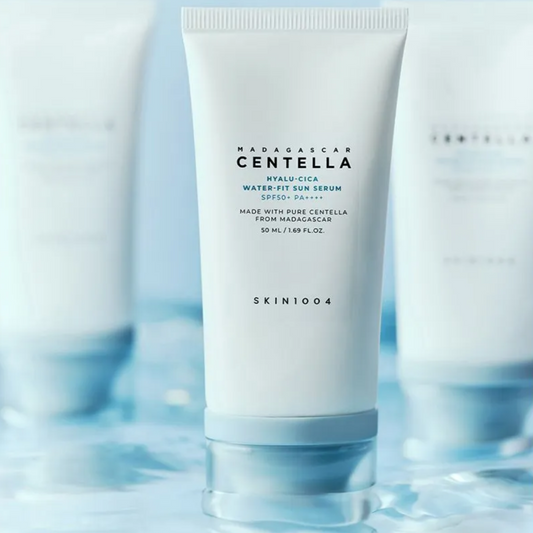
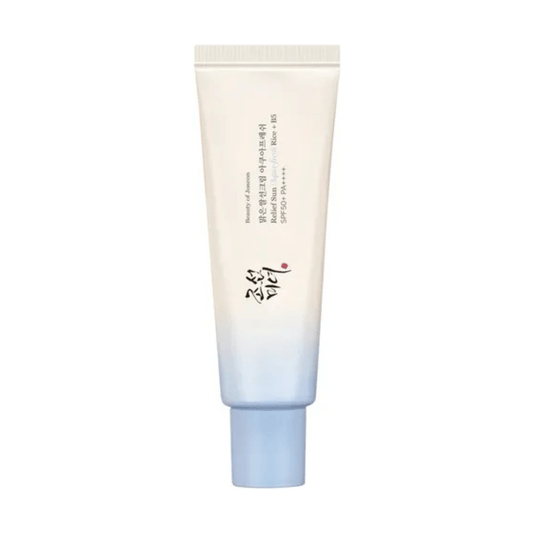

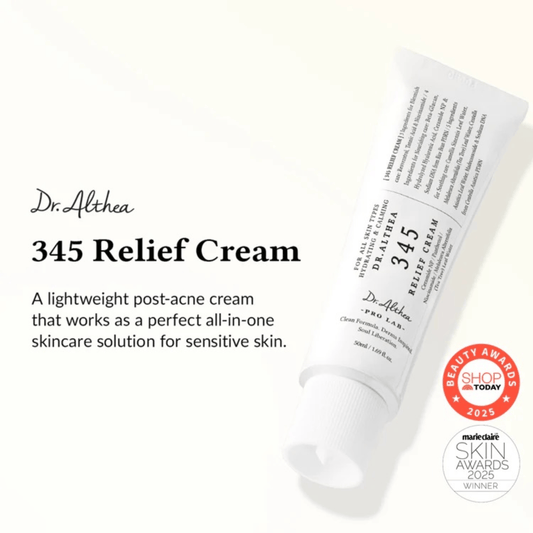

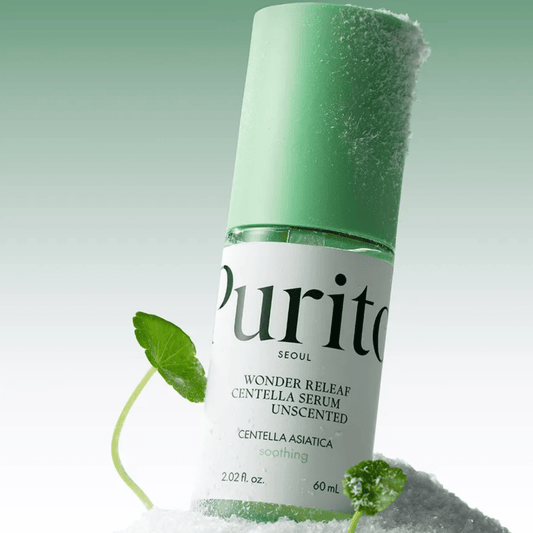

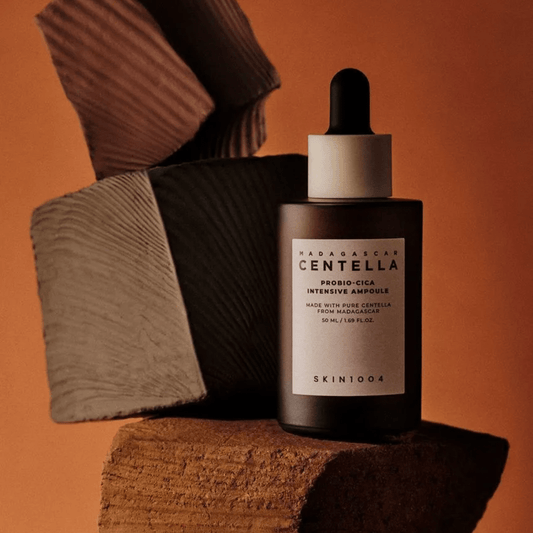

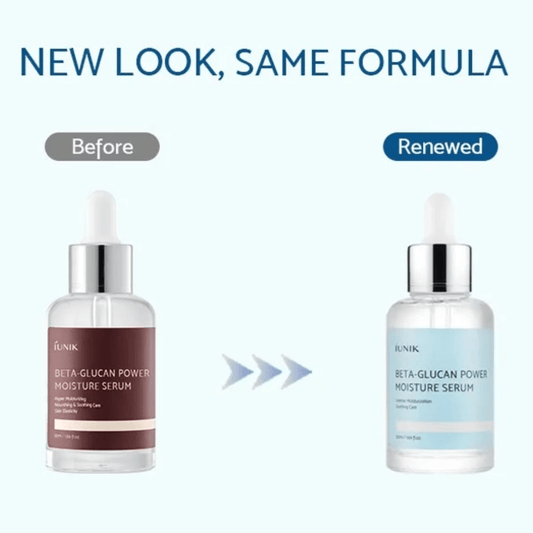

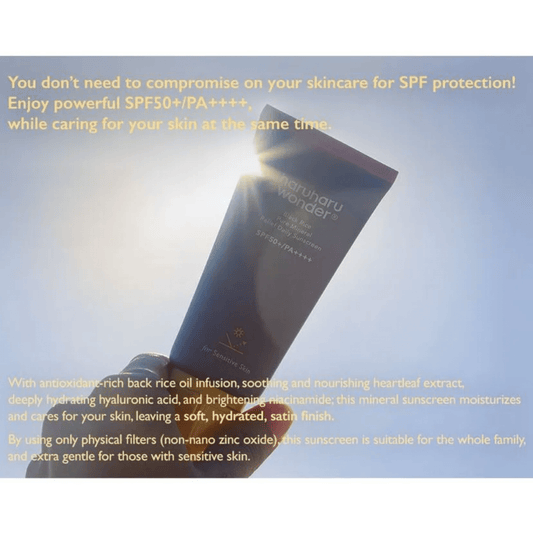




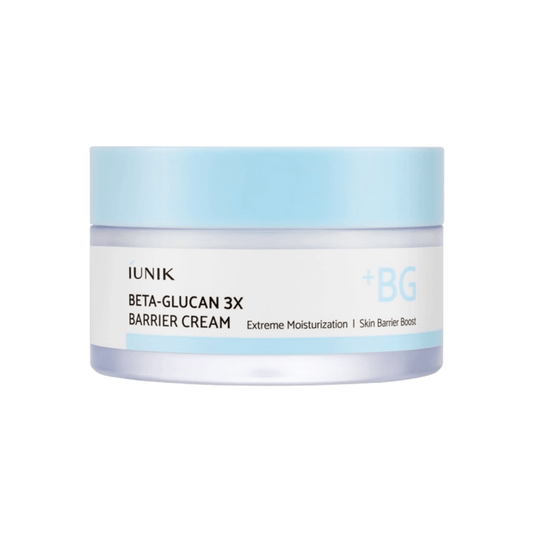



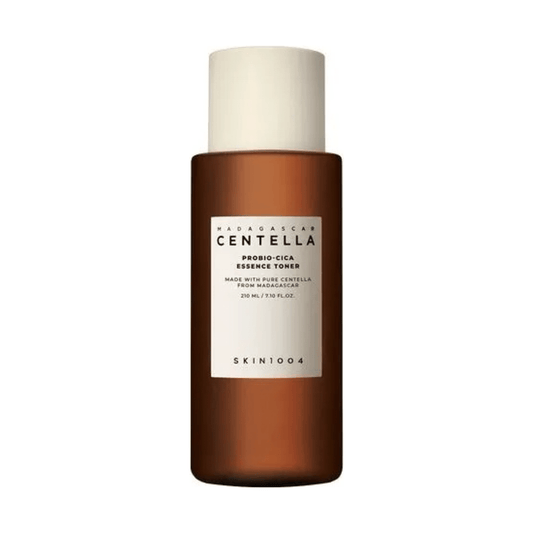
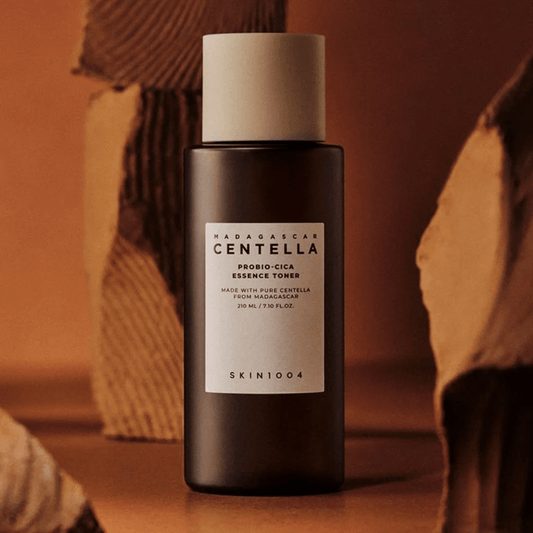

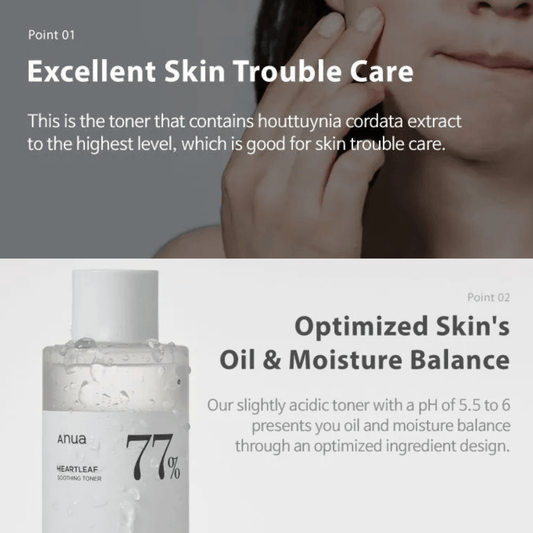
Eczema-prone skin has a weaker barrier than average, an easily triggered inflammatory response, and a tendency toward dryness and itching that makes daily care both essential and risky. Soothing K-Beauty for Eczema Prone Skin gathers Korean formulas that are gentle enough to support eczema-prone skin between flares. Fragrance-free, barrier-focused, and built around the calming ingredients that the most reactive skin can actually tolerate.
What Ingredients Eczema-Prone Skin Should Look for in Soothing Products
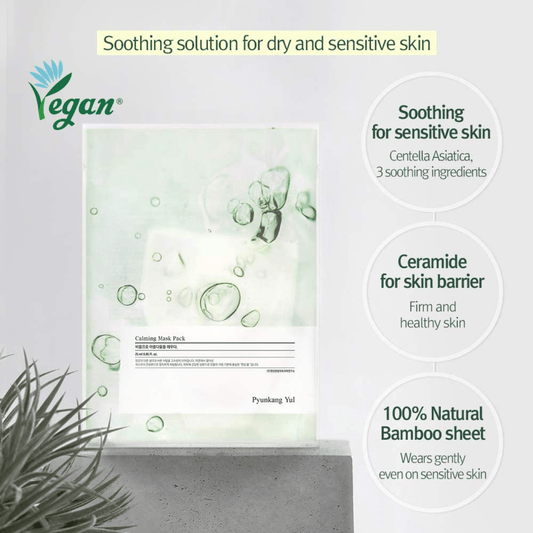
Ceramides are the most important ingredient category for eczema-prone skin, replenishing the barrier lipids that eczema-prone skin chronically lacks. Centella asiatica and madecassoside provide the calming, anti-inflammatory support that eases the reactive tendencies of a compromised barrier. Panthenol supports cell recovery and barrier lipid production gently. Allantoin soothes and protects the surface with an exceptionally safe profile. Colloidal oat is a well-established skin-soothing ingredient for eczema-prone skin. Beta-glucan provides deep hydration and immune support with no known irritation risk. All of these are common in Korean eczema-suited products and have strong safety profiles for highly reactive skin.
- Ceramides: most important for eczema-prone barrier repair
- Centella and madecassoside: calming and anti-inflammatory
- Panthenol: cell recovery and barrier lipid support
- Beta-glucan: deep hydration with immune support
Are Korean Soothing Products Gentle Enough for Eczema-Prone Skin
Many Korean soothing products are specifically suited to eczema-prone skin precisely because Korean skincare culture emphasises fragrance-free, low-irritation formulas across its entire approach. Brands like Etude House SoonJung (centred on panthenol and minimal ingredients), Dr. Jart+ Ceramidin (ceramide-rich barrier repair), and Illiyoon Ceramide (specifically developed for dry and eczema-prone skin) have built product lines that are consistently well tolerated by reactive and eczema-prone skin. Korean formulas tend to be lighter than Western eczema creams, which suits eczema-prone skin that needs moisture without suffocation.
- Korean fragrance-free formulas well suited to eczema-prone skin
- Etude House SoonJung, Dr. Jart+ Ceramidin, Illiyoon Ceramide as starting points
- Lighter textures than Western eczema creams
- Minimal ingredient lists reduce reaction risk
How to Patch Test Soothing Products on Eczema-Prone Skin
Patch testing is essential for eczema-prone skin before any new product is applied to the full face. Apply a small amount of the product to the inner arm or behind the ear. Areas with sensitive skin similar to the face. Wait 24-48 hours and check for redness, itching, or any reaction. If no reaction occurs, apply to a small area of the face for three to five days before extending to full use. Introduce only one new product at a time, with at least a week between additions. During a flare-up, stop all new products and return to the minimal routine of cleanser, ceramide moisturiser, and SPF only.
- Patch test on inner arm or behind ear first
- Wait 24-48 hours before assessing
- One new product at a time, one week between additions
- Return to minimal routine during any flare-up
What Ingredients Eczema-Prone Skin Should Avoid
Fragrance (both synthetic and natural, including essential oils) is the most common trigger for eczema-prone skin. Alcohol denat. strips the barrier and worsens dryness and reactivity. Strong exfoliating acids should be avoided entirely during flares and introduced very carefully between them. Some plant extracts that seem natural and gentle (including certain botanical oils) can trigger reactions in eczema-prone skin. Even ingredients with positive reputations like lavender essential oil are significant irritation risks. The safest approach is a minimal routine built entirely on ingredients with strong safety records for highly reactive skin, with all additions carefully patch tested.
- Fragrance: synthetic and natural, including essential oils
- Alcohol denat.: strips barrier and worsens dryness
- Strong exfoliating acids: avoid during flares
- Botanical oils: many are not safe for eczema-prone skin
Browse the collection above and start with the most minimal, ceramide-focused option. Eczema-prone skin responds best to the simplest, most carefully chosen routine.