

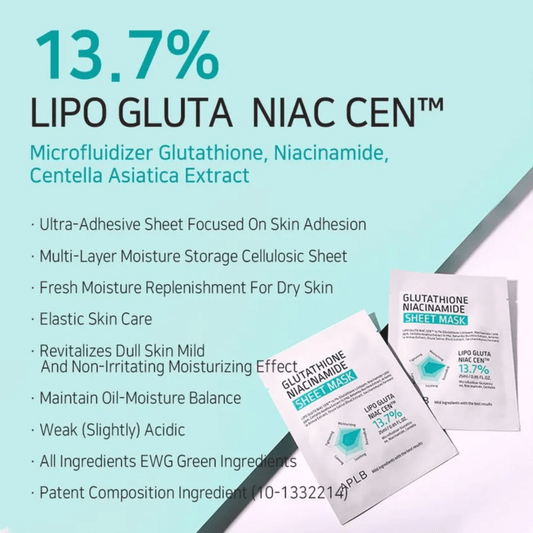

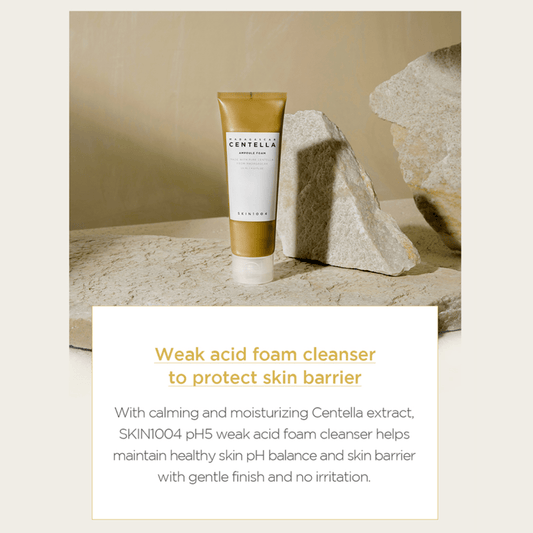

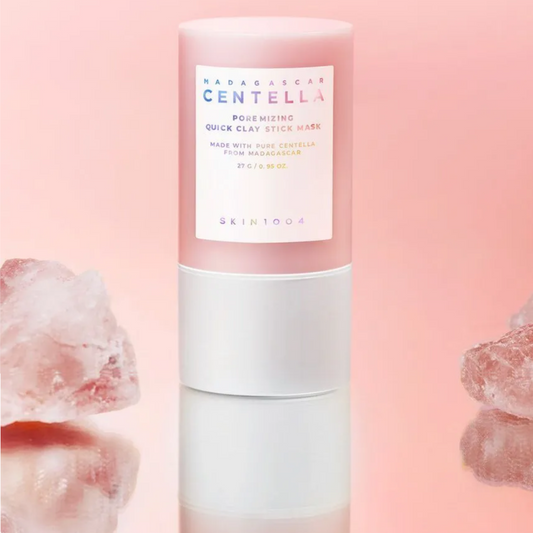
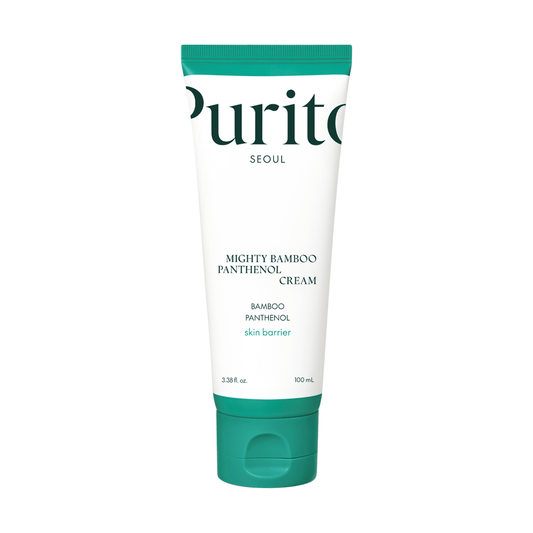
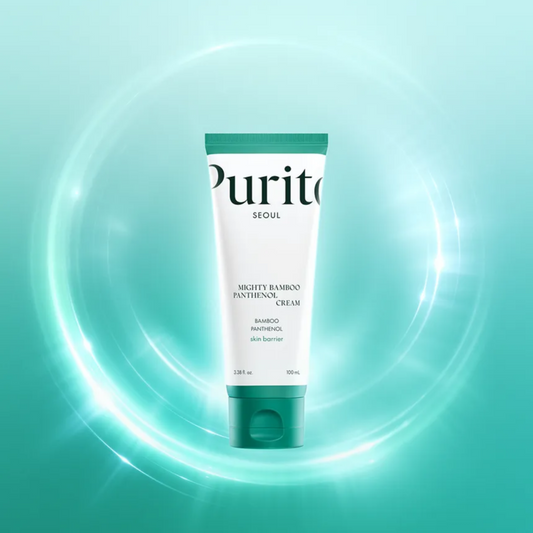

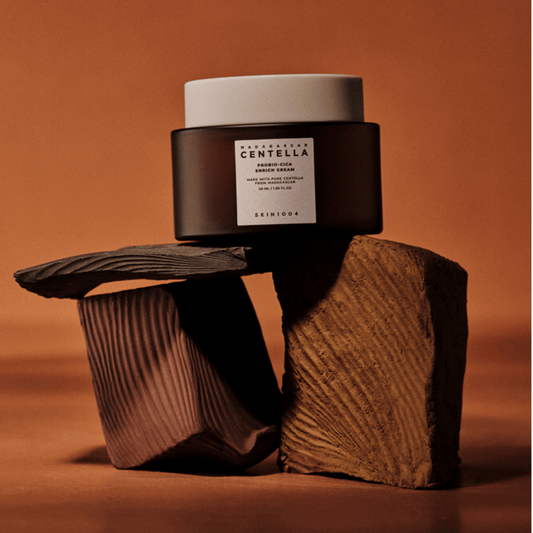

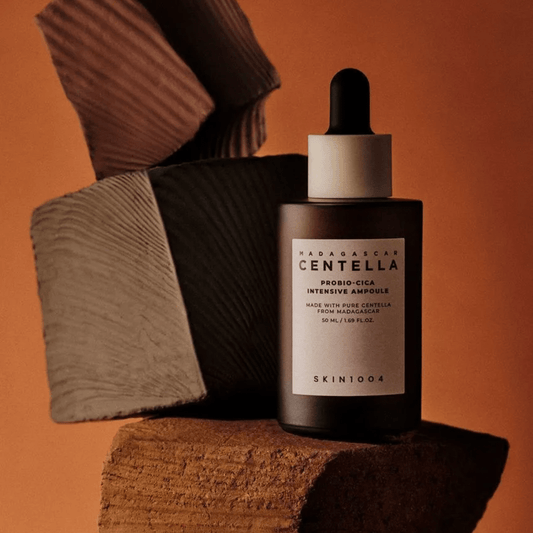

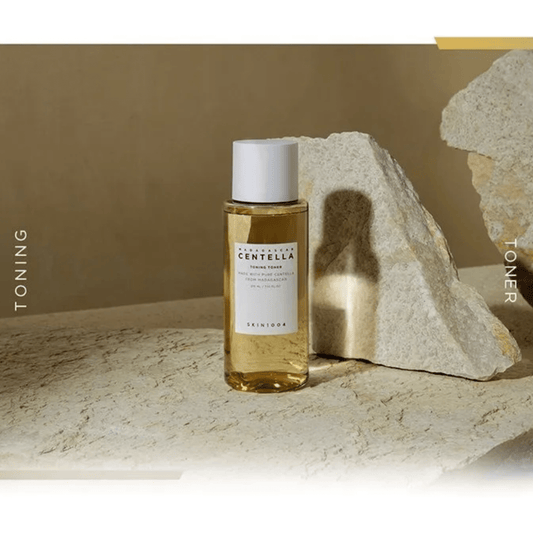
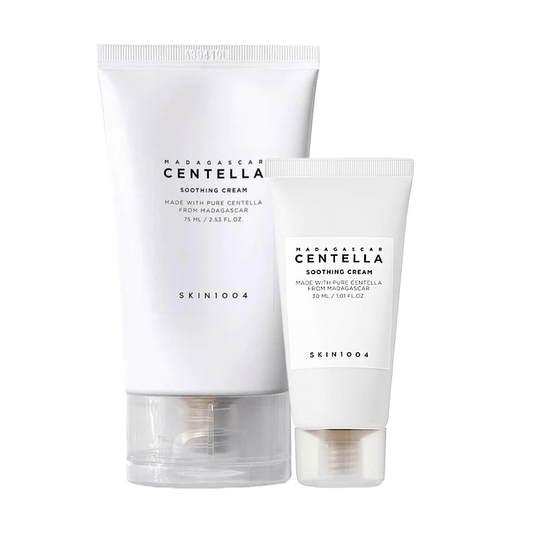

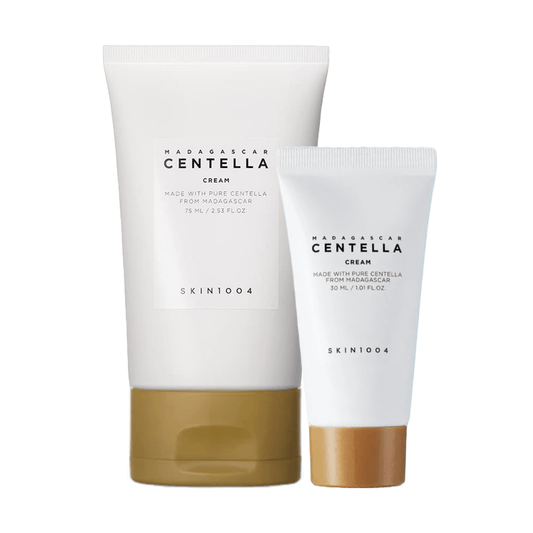



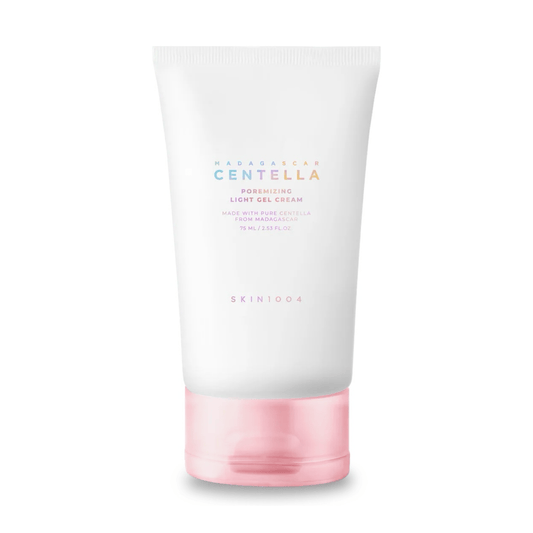

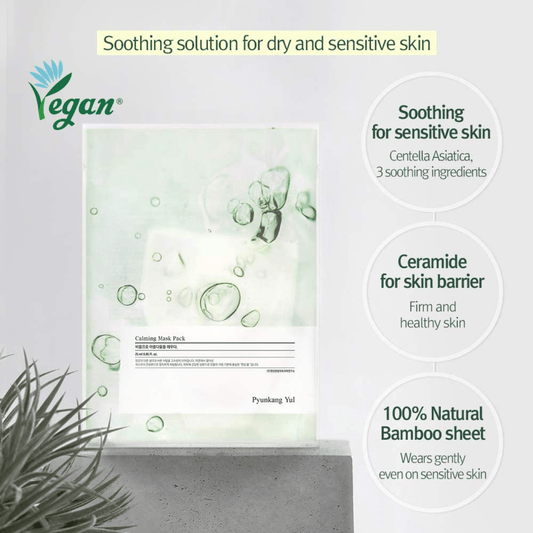

Sensitive Skin K-Beauty with Wound Healing focuses on ingredients and products that help the skin recover from damage, blemishes, and minor injuries without causing further irritation. Sensitive skin takes longer to recover from any kind of damage because the barrier is already compromised. Korean skincare offers gentle, targeted products that support the skin's natural recovery process.
Wound-Healing Ingredients Safe for Sensitive Skin
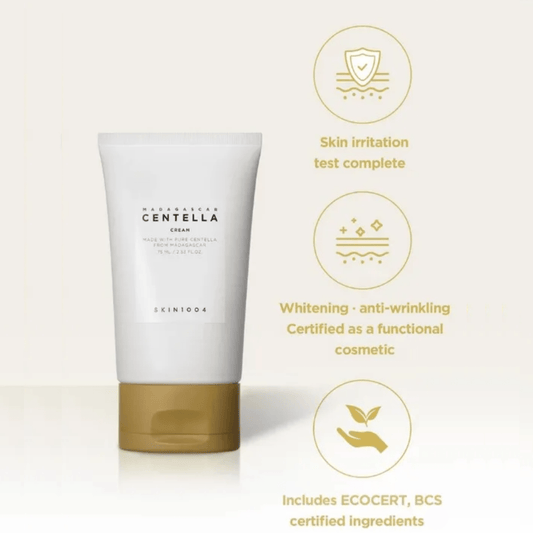
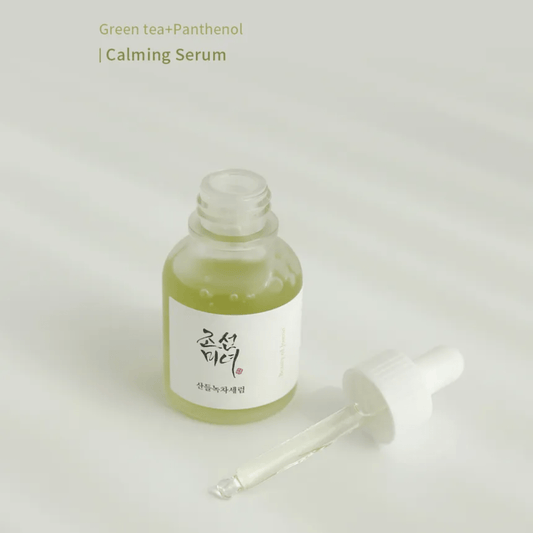
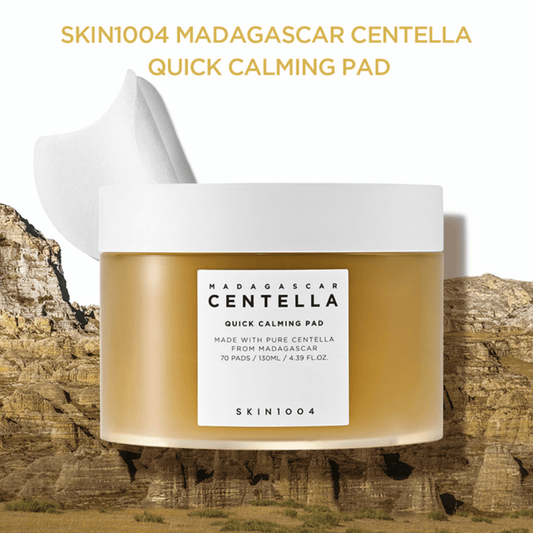
Centella asiatica is the most important wound-healing ingredient in Korean skincare. Its compounds (madecassoside and asiaticoside) support collagen production and speed tissue repair while calming inflammation. Panthenol accelerates cell turnover in damaged areas and keeps the skin moisturised during recovery. Allantoin promotes gentle cell renewal without irritation. Snail mucin contains glycoproteins that support skin repair and provide a protective moisture layer over damaged areas. Propolis has natural antimicrobial properties that protect minor wounds from infection while the skin recovers.
- Centella: speeds tissue repair and calms inflammation
- Panthenol: accelerates cell turnover during recovery
- Allantoin: promotes gentle cell renewal without irritation
- Snail mucin: glycoproteins that support repair and protect
- Propolis: antimicrobial protection during recovery
How Korean Wound-Healing Products Support the Barrier
During the recovery process, the barrier around the damaged area is weaker than usual. Korean wound-healing products provide barrier support alongside the active recovery ingredients. Ceramides replenish the lipid layer around the damaged site. Hyaluronic acid maintains moisture levels so the recovering cells have the hydration they need. Squalane creates a breathable protective layer that prevents environmental irritants from reaching the vulnerable area. This combination of recovery support and barrier protection is what sets Korean wound-healing products apart from simple wound creams.
- Ceramides replenish the lipid barrier around the damaged area
- Hyaluronic acid maintains moisture for recovering cells
- Squalane creates a breathable protective layer
- Recovery plus barrier support in a single product approach
Can Wound-Healing Products Help with Post-Blemish Marks
Yes. Post-blemish marks (post-inflammatory hyperpigmentation and post-inflammatory erythema) are caused by the skin's recovery response to the blemish. Centella speeds this recovery, reducing the duration of the mark. Niacinamide fades the melanin deposits that cause dark marks. Snail mucin supports the rebuilding of damaged tissue so the surface returns to normal more quickly. For sensitive skin, these gentle healing ingredients work better than aggressive treatments like strong chemical peels or laser alternatives, which can worsen the marks by causing new inflammation.
- Centella speeds recovery and shortens mark duration
- Niacinamide fades melanin deposits that cause dark marks
- Snail mucin supports tissue rebuilding for smoother recovery
- Gentle healing avoids the new inflammation that worsens marks
How to Treat Damaged Sensitive Skin with Korean Skincare
During active damage or a post-blemish recovery period, simplify the routine. Use a gentle cream cleanser, a centella or panthenol essence on the affected area, and a ceramide barrier cream. Hydrocolloid patches over blemish wounds protect them from bacteria and friction while promoting a moist recovery environment. Avoid all actives, exfoliants, and fragrance during the recovery phase. Reintroduce other products one at a time only after the damaged area has fully recovered. Sun protection with a gentle mineral SPF is essential during recovery, as UV exposure can darken healing marks.
- Simplify to cleanser, centella essence, and barrier cream
- Hydrocolloid patches protect and promote moist recovery
- Remove all actives and fragrance during recovery
- Mineral SPF prevents UV darkening of healing marks
Explore the collection above to find Korean wound-healing products that support sensitive skin recovery gently.