













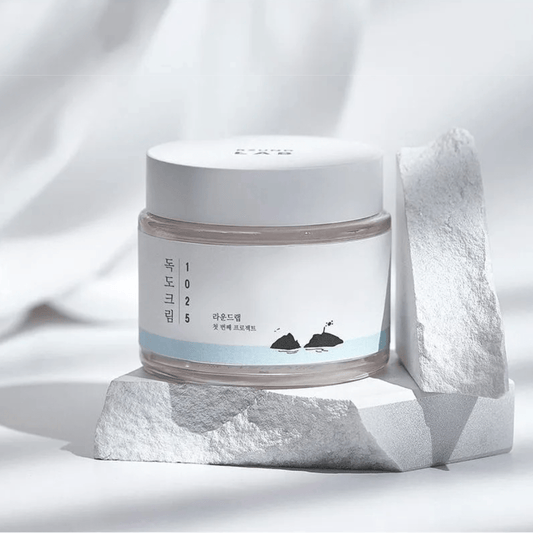

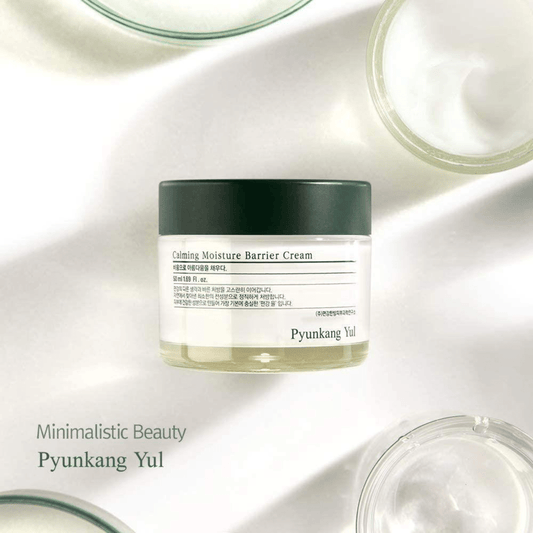

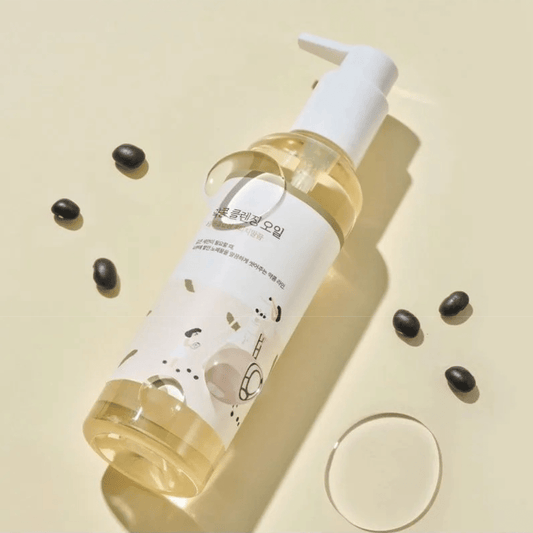

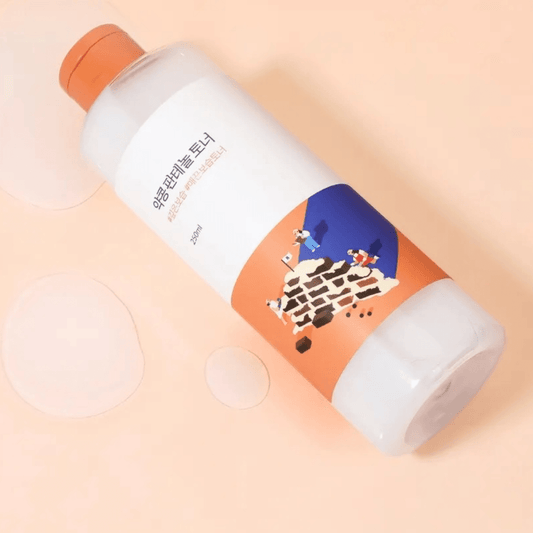
Sensitive Skin K-Beauty with Nourishment focuses on products that feed the skin with oils, lipids, and nutrient-rich ingredients. Nourishing products go beyond basic hydration. They replenish the lipid layer, deliver vitamins and antioxidants, and support the skin's long-term health and resilience. For sensitive skin, the right nourishing products strengthen the barrier while keeping the skin comfortable and calm.
Nourishing Ingredients Safe for Sensitive Skin
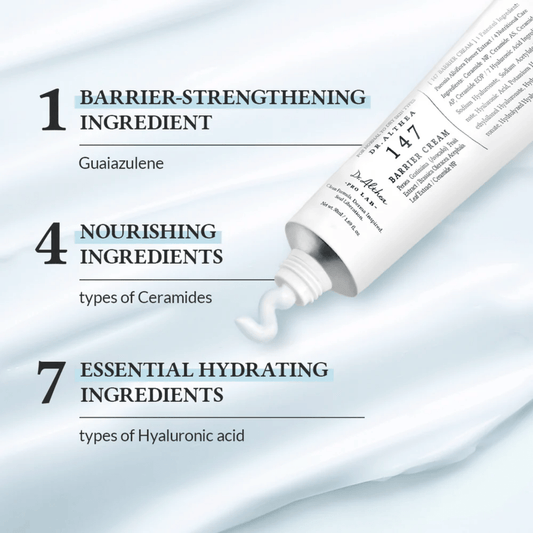
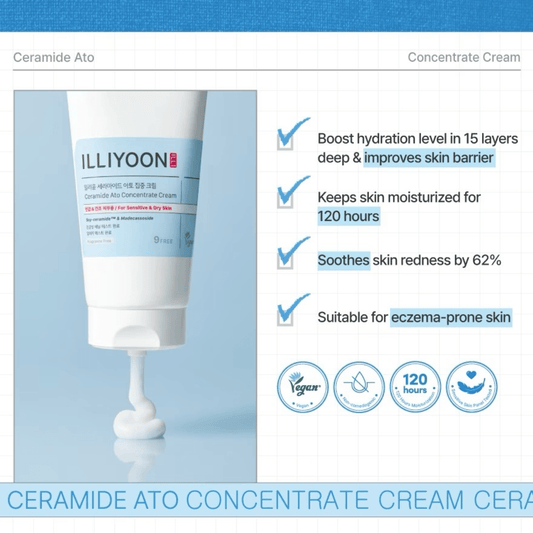
Ceramides nourish the lipid barrier directly, replenishing the fats that sensitive skin depletes more quickly. Squalane is a lightweight, nourishing oil that mimics the skin's own natural lipids. Shea butter in small amounts provides rich emollient nourishment without heaviness. Rice bran oil delivers vitamin E and fatty acids gently. Panthenol nourishes while soothing, adding moisture and supporting cell renewal. Jojoba oil is structurally similar to human sebum and nourishes without clogging pores. These ingredients work best in fragrance-free formulations with minimal additional complexity.
- Ceramides: direct lipid barrier nourishment
- Squalane: lightweight oil mimicking natural skin lipids
- Shea butter: rich emollient in small amounts
- Rice bran oil: vitamin E and fatty acids gently delivered
- Panthenol: nourishes, soothes, and supports cell renewal
How Nourishing Products Differ from Hydrating Ones
Hydrating products deliver water to the skin using humectants like hyaluronic acid and glycerin. Nourishing products deliver oils, lipids, and fat-soluble nutrients that strengthen the barrier and prevent that water from escaping. Both are essential for sensitive skin, but they serve different roles. A hydrating toner provides the water layer. A nourishing cream provides the lipid seal. Without hydration, nourishing products sit on top of dry skin. Without nourishment, hydrating products evaporate. The best routines for sensitive skin include both, layered in order from water to oil.
- Hydrating: delivers water with humectants
- Nourishing: delivers oils and lipids for barrier strength
- Both are essential, serving different roles
- Layer in order from water (hydration) to oil (nourishment)
When Sensitive Skin Needs Extra Nourishment
Sensitive skin needs extra nourishment during winter when cold air and central heating strip moisture and lipids from the barrier faster than the skin can replace them. After illness or stress, the barrier often weakens and benefits from richer nourishment. During barrier repair phases, extra lipid support helps the skin rebuild faster. At night, the skin is in repair mode and can absorb and use nourishing ingredients more effectively. A sleeping mask or facial oil added two or three times a week during these periods provides the extra nourishment the skin needs without overloading it daily.
- Winter: cold and heating strip moisture and lipids faster
- After illness or stress: weakened barrier needs extra support
- During barrier repair: extra lipids speed rebuilding
- At night: skin absorbs nourishing ingredients more effectively
Can Over-Nourishing Cause Breakouts on Sensitive Skin
Yes, if the products are too heavy, too comedogenic, or applied too frequently for the skin's needs. Over-nourishing with thick creams containing comedogenic oils can clog pores and cause congestion. Using multiple heavy products at the same time creates layers that the skin cannot absorb, trapping heat and promoting breakouts. The solution is to match nourishment to the skin's actual need. Oily sensitive skin needs lighter nourishing products like squalane. Dry sensitive skin can handle richer options. Adjust the weight and frequency of nourishing products by season and skin condition rather than using the richest option all year round.
- Too-heavy products can clog pores and cause congestion
- Multiple heavy layers trap heat and promote breakouts
- Match nourishment weight to actual skin need
- Adjust by season: lighter in summer, richer in winter
Explore the collection above to find Korean nourishing products that feed sensitive skin gently and effectively.