
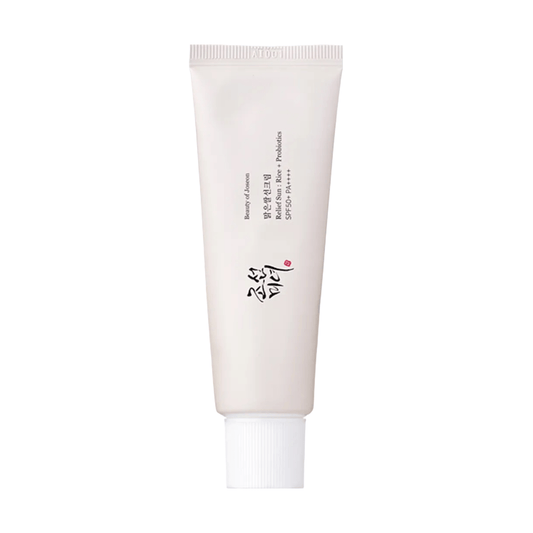
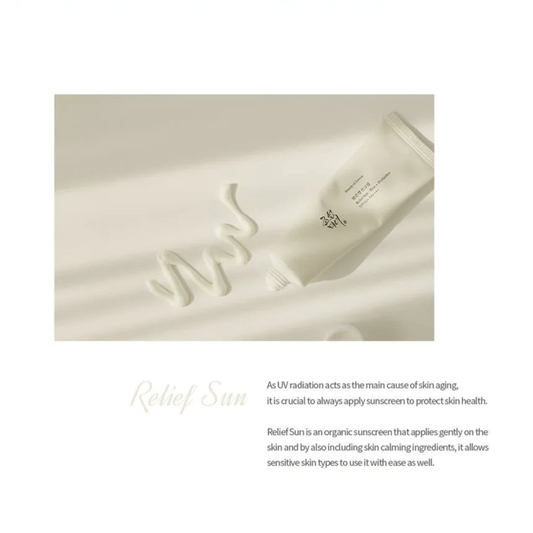
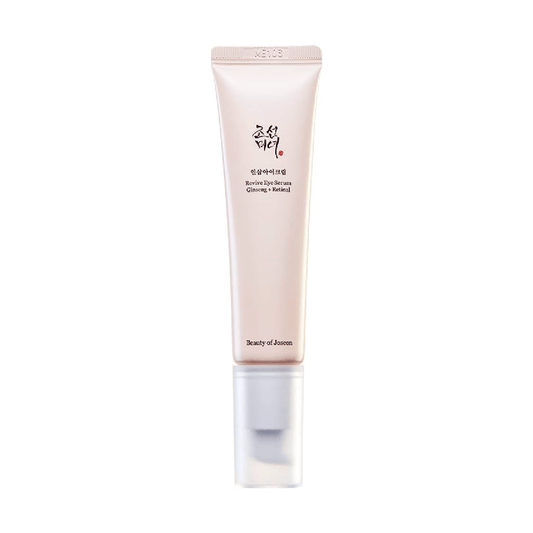
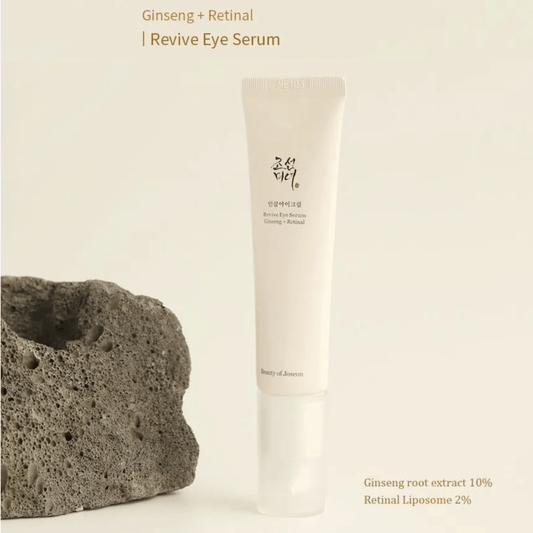

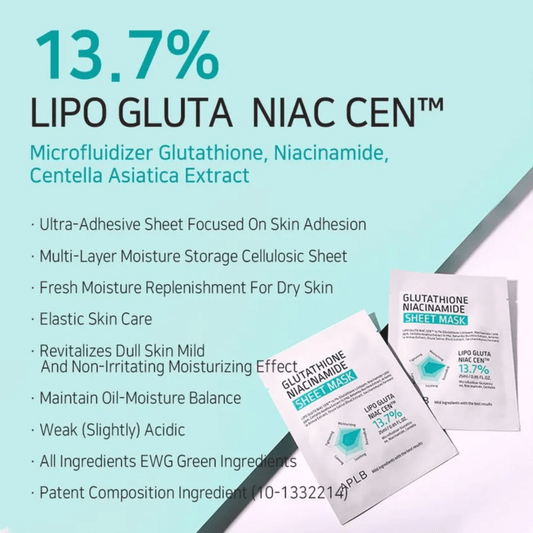

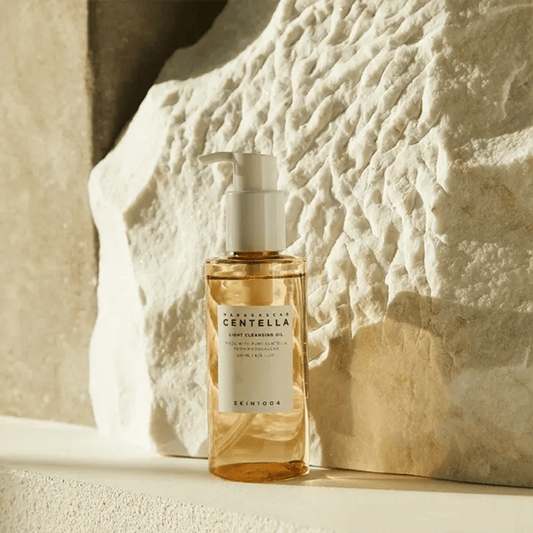
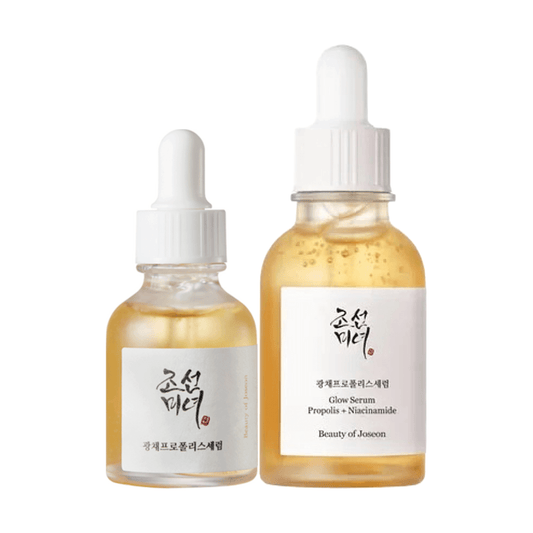
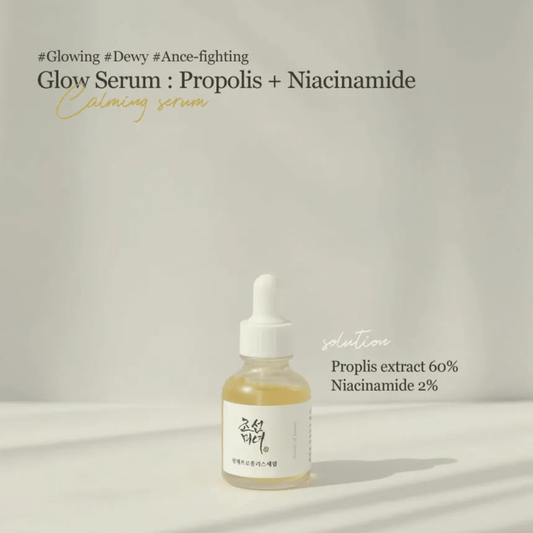
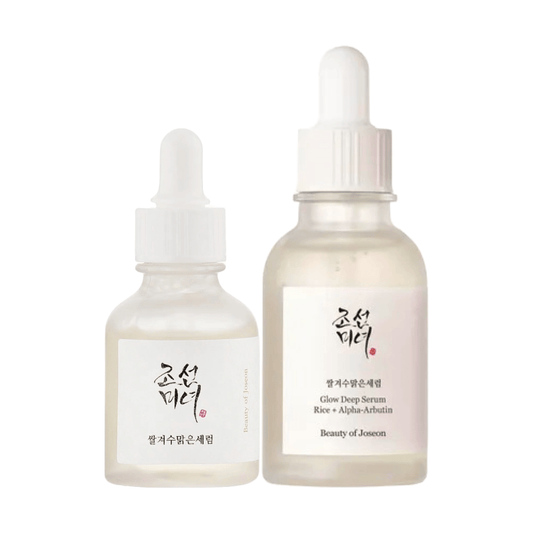
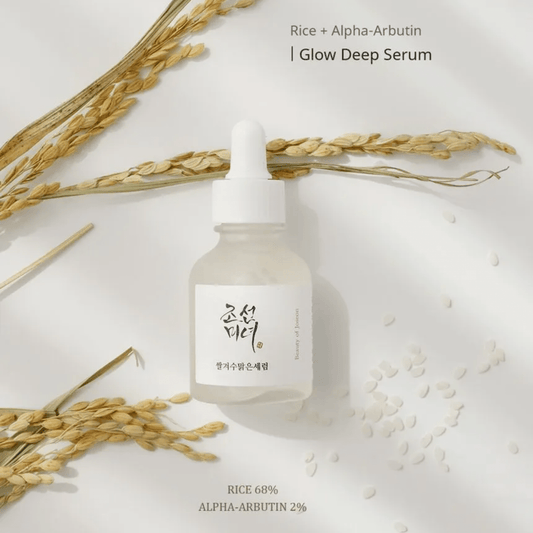

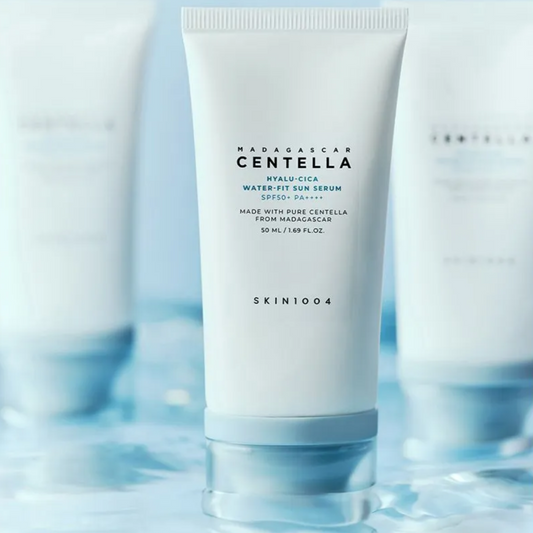
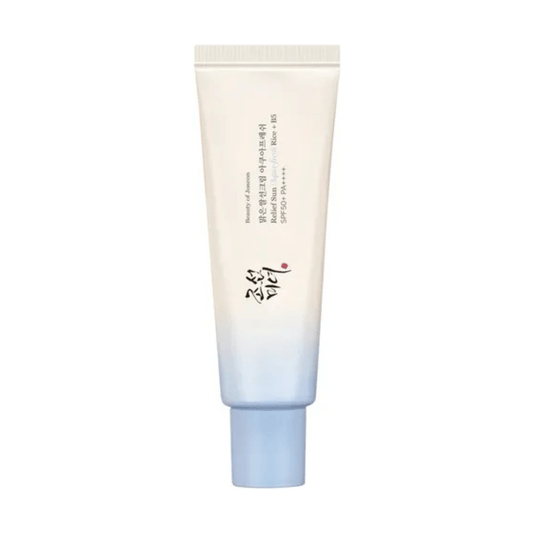



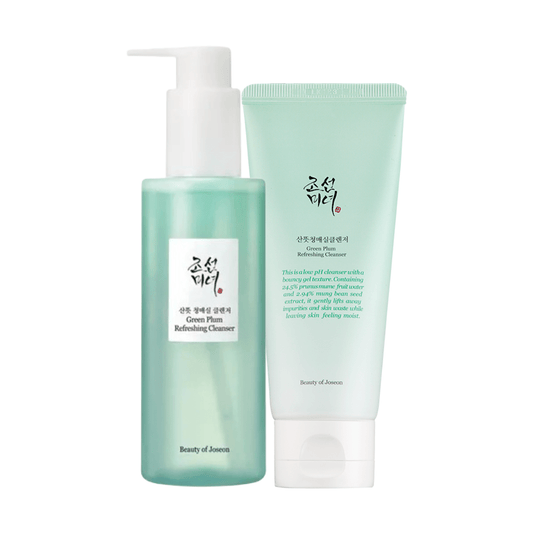
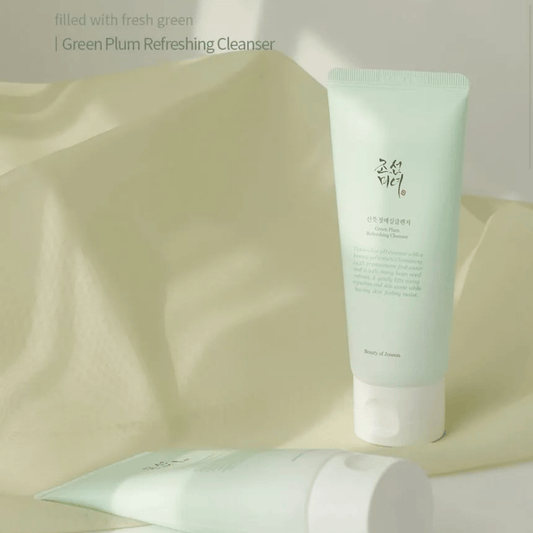

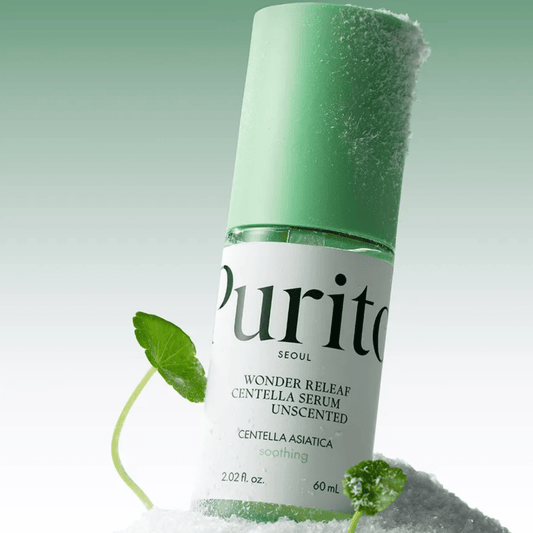

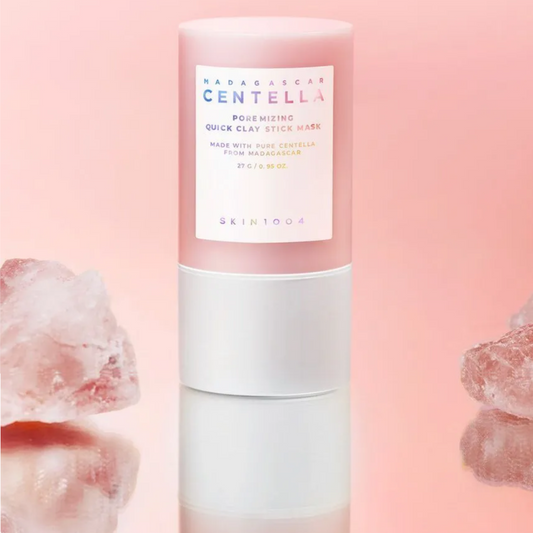
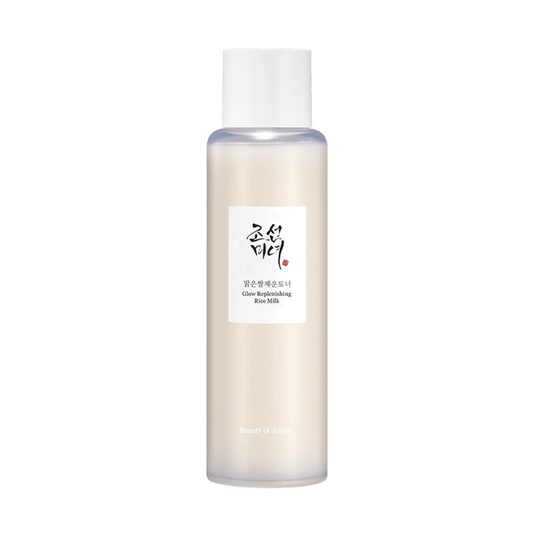
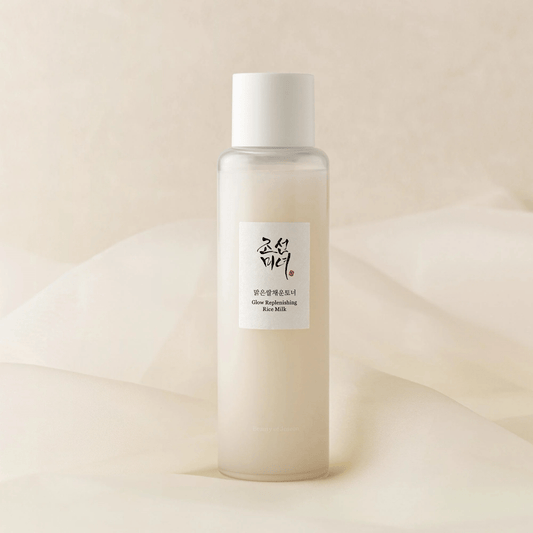
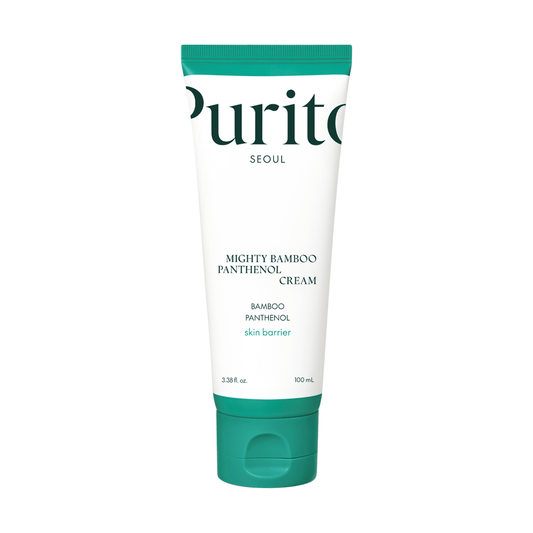
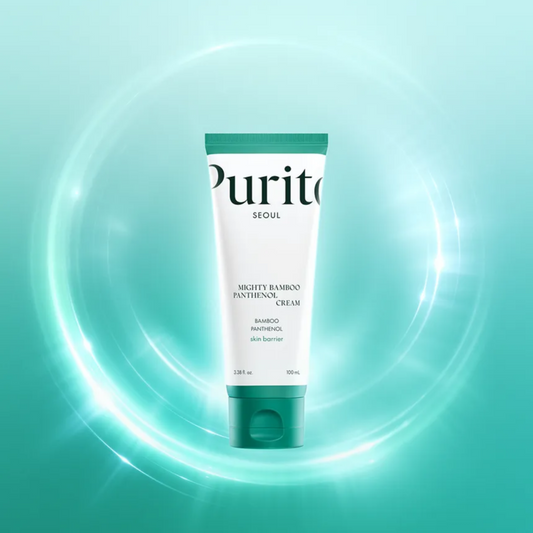
K-Beauty for Sensitive Skin and Dryness sits at the intersection of two common but challenging skin needs. Dry sensitive skin lacks natural oil and has a weaker barrier, which means it loses moisture faster and reacts to more ingredients. The Korean layering approach builds hydration in thin, compatible steps so nothing overwhelms the skin, and every layer supports the next.
Moisturising Ingredients Safe for Sensitive Dry Skin
Sensitive dry skin needs ingredients that hydrate and nourish without triggering a reaction. Ceramides replenish the lipid barrier by filling the gaps between skin cells, reducing water loss and keeping irritants out. Squalane mimics the skin's own natural oils and absorbs quickly without clogging pores or causing reactions. Glycerin draws water to the skin surface gently and reliably. Panthenol soothes as it moisturises. Madecassoside, one of the active compounds in centella, calms irritation while supporting the barrier at the same time. These ingredients appear widely across Korean products and are among the best-tolerated options for reactive dry skin.
- Ceramides fill barrier gaps and reduce water loss
- Squalane mimics natural oils without clogging pores
- Glycerin draws water gently to the skin surface
- Panthenol moisturises and soothes at the same time
- Madecassoside calms irritation while repairing the barrier
Dry Sensitive Skin vs Dehydrated Sensitive Skin
Dry skin lacks oil. It produces less sebum than it needs, leaving the barrier thin and the surface rough. Dehydrated skin lacks water and can affect any skin type, including oily skin. For sensitive skin, both can be present at once. Dry sensitive skin tends to feel persistently tight and rough regardless of season. Dehydrated sensitive skin may look flat and dull, with fine surface lines appearing more visible. Knowing which you have matters because the products you reach for differ. Dry skin needs lipid-rich creams and oils. Dehydrated skin needs humectant-heavy serums and essences.
- Dry skin: lacks oil, persistent tightness and roughness
- Dehydrated skin: lacks water, can affect all types
- Both can occur together in sensitive skin
- Dry skin needs oils and creams; dehydrated needs humectants
The Best Korean Routine for Dry Sensitive Skin
Korean skincare addresses both dryness and sensitivity by layering hydrating essences for water content with nourishing creams and oils for the lipid layer. Start with a gentle cream cleanser that does not strip. Follow with a hydrating toner patted in by hand rather than with a cotton pad, which can tug at fragile skin. A ceramide or hyaluronic acid essence adds a water-binding layer. A rich barrier cream seals everything in. At night, a sleeping mask two or three times a week gives the skin extra time to absorb deeper nourishment while it repairs itself.
- Cream cleanser: gentle, no stripping of natural oils
- Hydrating toner patted in by hand, not cotton pad
- Ceramide or HA essence for water-binding support
- Rich barrier cream as the final protective seal
Ingredients Dry Sensitive Skin Should Avoid
Fragrance is the most common trigger for sensitive dry skin. Even naturally derived scents can cause redness and stinging. Alcohol denat. strips the lipid barrier and worsens dryness. Strong exfoliating acids like high-percentage glycolic or lactic acid can overwhelm a dry sensitive barrier. Essential oils, though natural, are concentrated irritants for reactive skin. Sulphate-based cleansers create a foaming lather but remove too much of the skin's protective oil layer. Korean products labelled fragrance-free with minimal ingredient lists tend to be the safest starting point.
- Fragrance and essential oils: common irritation triggers
- Alcohol denat.: strips the barrier and worsens dryness
- High-percentage AHAs: too aggressive for reactive barriers
- Sulphate cleansers: strip protective oils from the surface
Scroll up to explore the collection and find the gentle Korean routine your dry sensitive skin needs.