

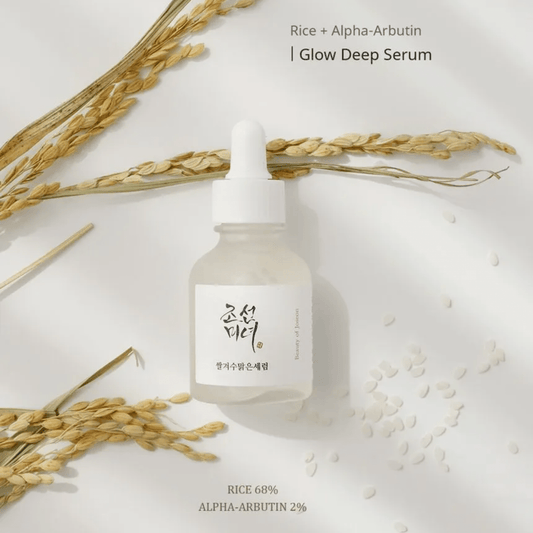

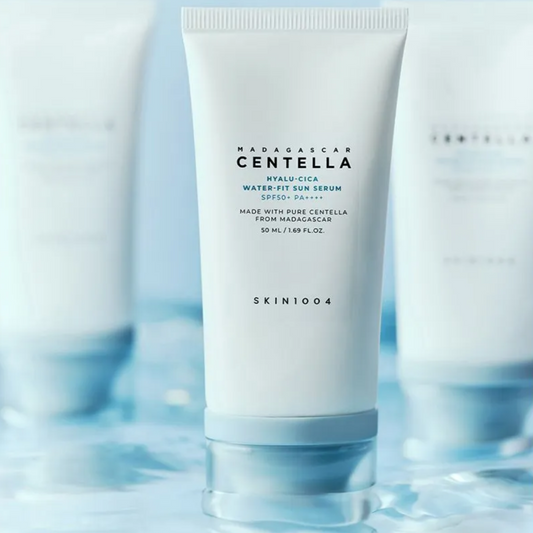
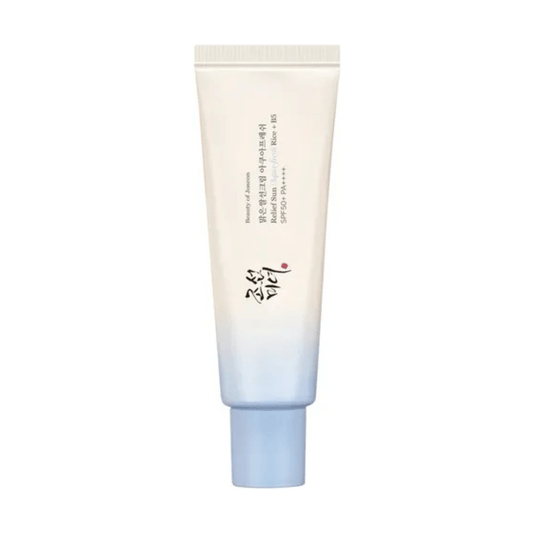
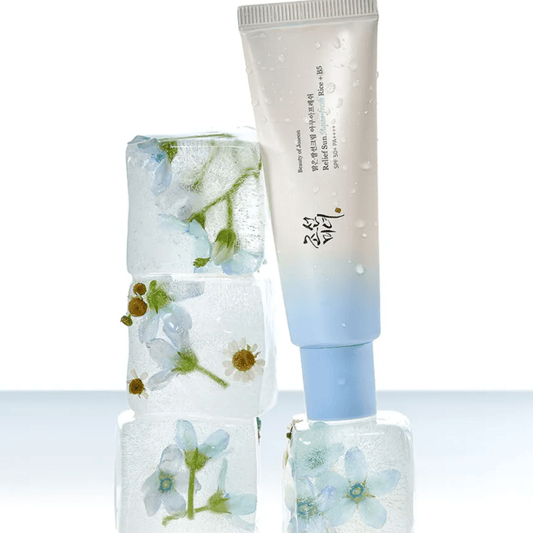






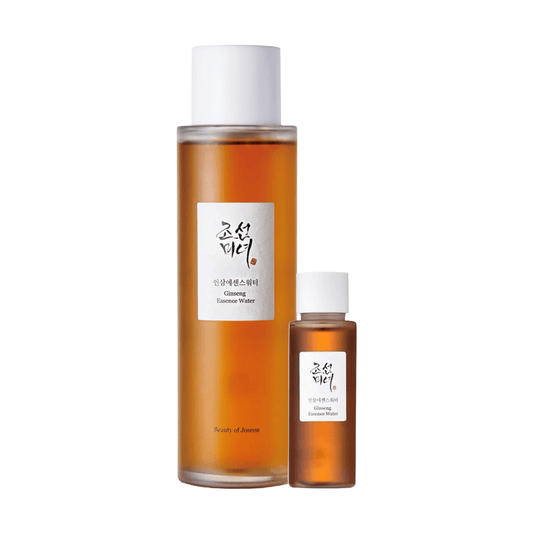
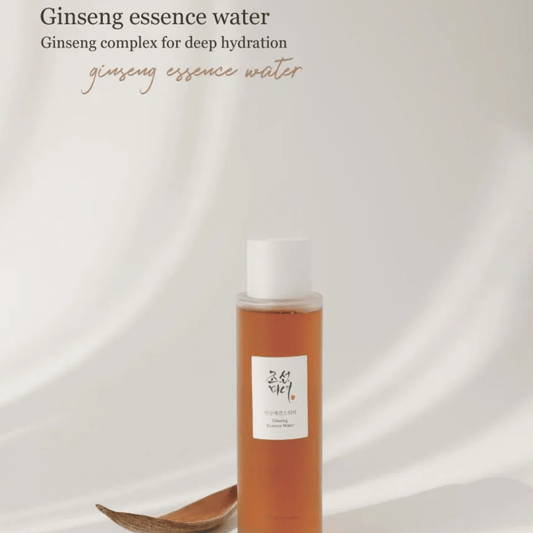
K-Beauty for Sensitive Skin and Dehydration addresses a condition that makes sensitivity worse in almost every way. Dehydrated skin lacks water, and when the cells in the outermost layer shrink from water loss, gaps open in the barrier. Irritants slip through those gaps more easily, and the skin becomes more reactive. Korean skincare's layered hydration approach is one of the most effective ways to restore water content gently.
How to Tell if Sensitive Skin Is Dehydrated
Dehydrated sensitive skin has specific signs that differ from dryness. The skin looks dull and flat rather than rough and flaky. Fine lines appear more visible, especially around the eyes and forehead, and seem to shift depending on hydration levels. The skin may feel tight after cleansing but still produce oil in the T-zone. A simple test is to gently pinch the skin on the cheek; if it wrinkles easily and takes a moment to bounce back, dehydration is likely contributing to the skin's discomfort. Dehydration can also make products sting that normally feel fine.
- Dull, flat appearance rather than rough or flaky
- Fine lines more visible and shift with hydration levels
- Tightness after cleansing combined with oiliness in some areas
- Products that usually feel fine may sting on dehydrated skin
Hydrating Ingredients Safest for Sensitive Skin
Hyaluronic acid is the most effective humectant for drawing water into the skin. Low molecular weight forms penetrate deeper, while high molecular weight forms create a moisture film on the surface. Glycerin is equally reliable and well tolerated, drawing water steadily without irritation. Beta-glucan is a lesser-known humectant that holds moisture and has calming properties ideal for reactive skin. Panthenol hydrates while soothing inflammation at the same time. These ingredients work best in fragrance-free, minimal formulations that do not add unnecessary triggers alongside the hydration.
- Hyaluronic acid: powerful water-binding at multiple depths
- Glycerin: steady, reliable hydration with low irritation risk
- Beta-glucan: moisture retention with calming properties
- Panthenol: hydrates and soothes inflammation simultaneously
Can Dehydration Make Sensitive Skin More Reactive
Yes, significantly. When the skin is dehydrated, the barrier weakens because cells shrink and gaps form between them. Irritants that would normally be blocked by a well-hydrated barrier can now penetrate and trigger inflammation. The skin becomes more reactive to temperature changes, product application, wind, and even tap water. Restoring hydration is often the single most effective step in reducing overall sensitivity. Many people find that once their skin is properly hydrated, products they previously could not tolerate become comfortable again.
- Dehydration weakens the barrier by creating cell gaps
- Irritants penetrate more easily through a dry barrier
- Restoring hydration reduces overall skin reactivity
- Previously intolerable products may become comfortable again
Building a Hydrating Routine for Dehydrated Sensitive Skin
Start with a gentle, non-foaming cleanser that does not strip water from the skin. Apply a hydrating toner to damp skin immediately after cleansing to trap surface water. Layer a hyaluronic acid or beta-glucan essence while the toner is still absorbing. Seal everything with a ceramide or squalane moisturiser that locks the water in. In the morning, add mineral SPF as the final step. At night, a hydrating sleeping mask once or twice a week provides an extended period of deep water replenishment while the skin repairs itself overnight.
- Non-foaming cleanser to preserve skin's water content
- Hydrating toner on damp skin to trap surface water
- HA or beta-glucan essence for deeper water binding
- Ceramide moisturiser to seal and prevent evaporation
Explore the collection above to find Korean hydrating products that restore water to dehydrated sensitive skin.