













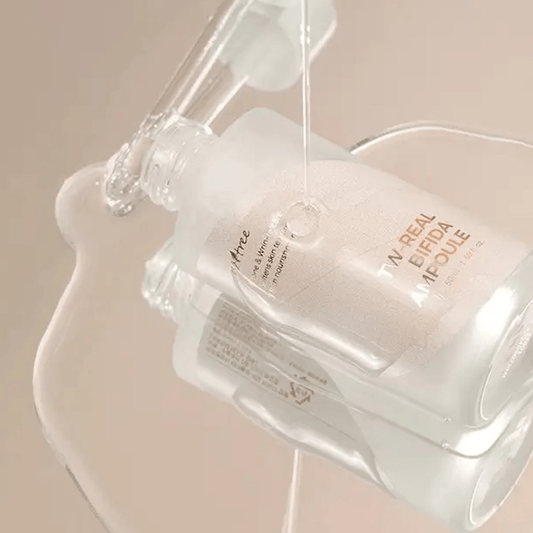


K-Beauty for Sensitive Skin and Reactive Skin addresses the most extreme end of skin sensitivity. Reactive skin responds to almost everything: temperature changes, product application, stress, wind, and even water. Korean skincare's barrier-first, minimal-ingredient philosophy is particularly well suited to this level of sensitivity, providing gentle support without adding triggers.
Sensitive vs Reactive Skin
All reactive skin is sensitive, but not all sensitive skin is reactive. Sensitive skin reacts to specific triggers but is generally manageable with the right products. Reactive skin responds to a much wider range of stimuli and is much harder to manage. Reactive skin may sting from water, flush from minor temperature changes, and react to products that even other sensitive skin types tolerate. The barrier on reactive skin is typically very thin and permeable, allowing almost everything through. Managing reactive skin requires an extremely careful, minimal approach with the gentlest possible ingredients and the fewest possible products.
- All reactive skin is sensitive, but not all sensitive skin is reactive
- Reactive skin responds to a much wider range of stimuli
- May react to water, temperature, and normally gentle products
- Requires the gentlest ingredients and fewest possible products
Ingredients Safest for Highly Reactive Skin
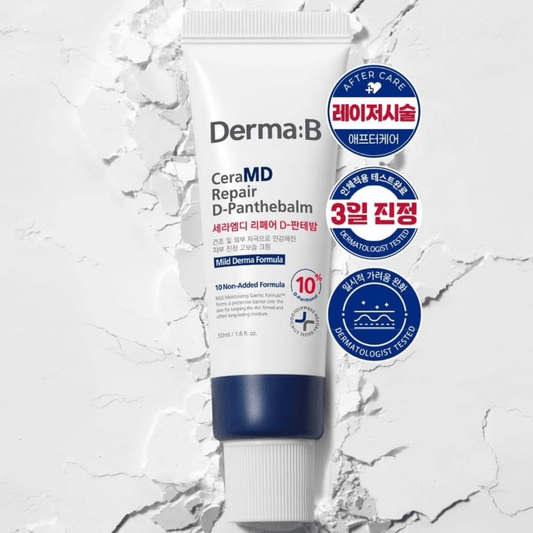
Ceramides are the foundation for reactive skin: they directly rebuild the barrier that reactive skin lacks. Panthenol soothes and supports recovery without any irritation risk. Squalane provides lightweight oil protection with no comedogenic or allergenic risk. Allantoin calms and supports cell renewal quietly. Dipotassium glycyrrhizate (from licorice root) is one of the most potent calming ingredients with virtually zero irritation risk. These five ingredients form the safest core for reactive skin. Avoid actives, avoid fragrance, avoid anything the skin has not been specifically tested against.
- Ceramides: direct barrier rebuilding
- Panthenol: soothing with zero irritation risk
- Squalane: lightweight oil protection, no allergen risk
- Allantoin: quiet calming and cell renewal
- Dipotassium glycyrrhizate: potent calming with no irritation
How Reactive Skin Should Introduce New Products
One product at a time with a minimum three-week testing period. Apply the new product to a small area behind the ear for three days. If no reaction, apply to a small patch on the jawline for three more days. If still no reaction, apply to half the face for three days. Only then apply to the full face. Keep a written log of every product tested and any reactions, including the date, product name, and ingredient list. This detailed tracking makes it possible to identify specific trigger ingredients over time. Never introduce two products at once, as it makes identifying the cause of any reaction impossible.
- Minimum three-week testing period for every new product
- Behind ear, then jawline, then half face, then full face
- Keep a written log of every product and reaction
- Never introduce two products at the same time
Can a Korean Daily Routine Help Calm Reactive Skin
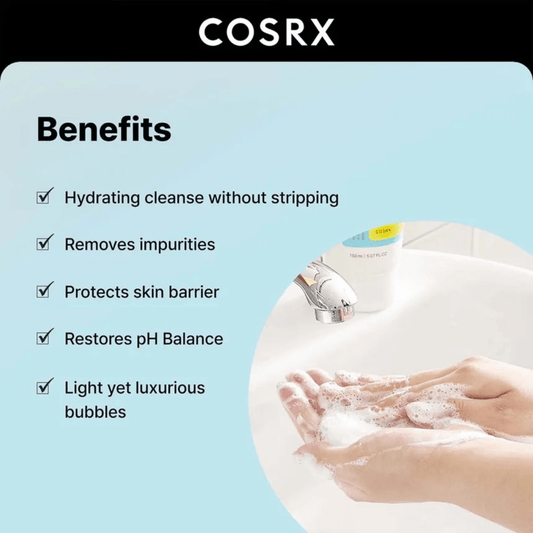
Yes, when the routine is kept extremely simple. Three products maximum: a gentle cream cleanser, a ceramide and panthenol moisturiser, and a mineral SPF. This minimal routine provides cleansing, barrier support, and UV protection without adding any unnecessary triggers. Hold this routine stable for at least six weeks before considering adding anything else. Once the skin has stabilised, add one product (like a centella essence) through the graduated testing process described above. Over months of consistent, minimal care, reactive skin often becomes less reactive as the barrier slowly rebuilds.
- Three products maximum: cleanser, moisturiser, SPF
- Hold stable for six weeks before adding anything
- Add one product at a time through graduated testing
- Months of minimal care gradually reduces reactivity
Explore the collection above to find Korean products that calm and support highly reactive sensitive skin.